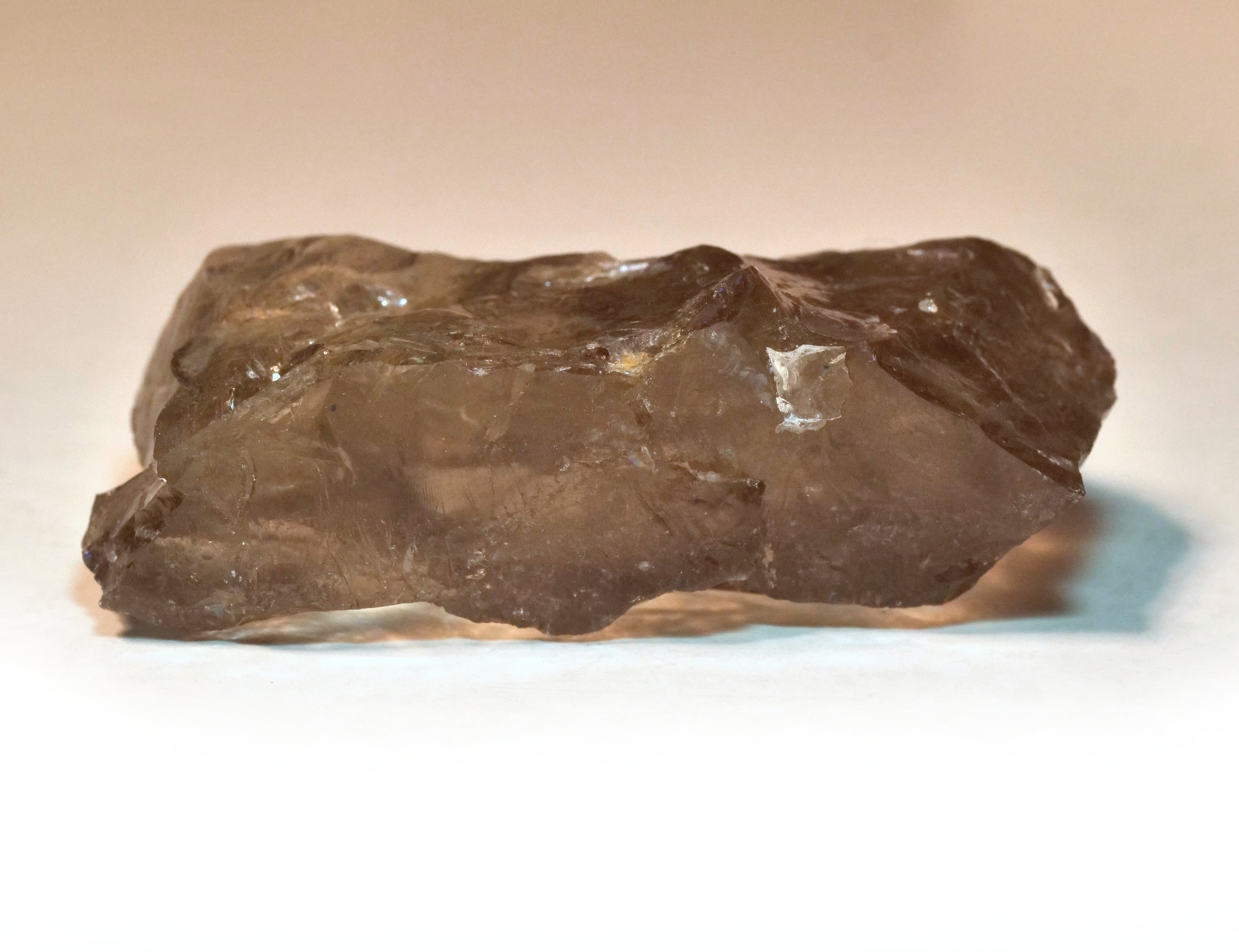
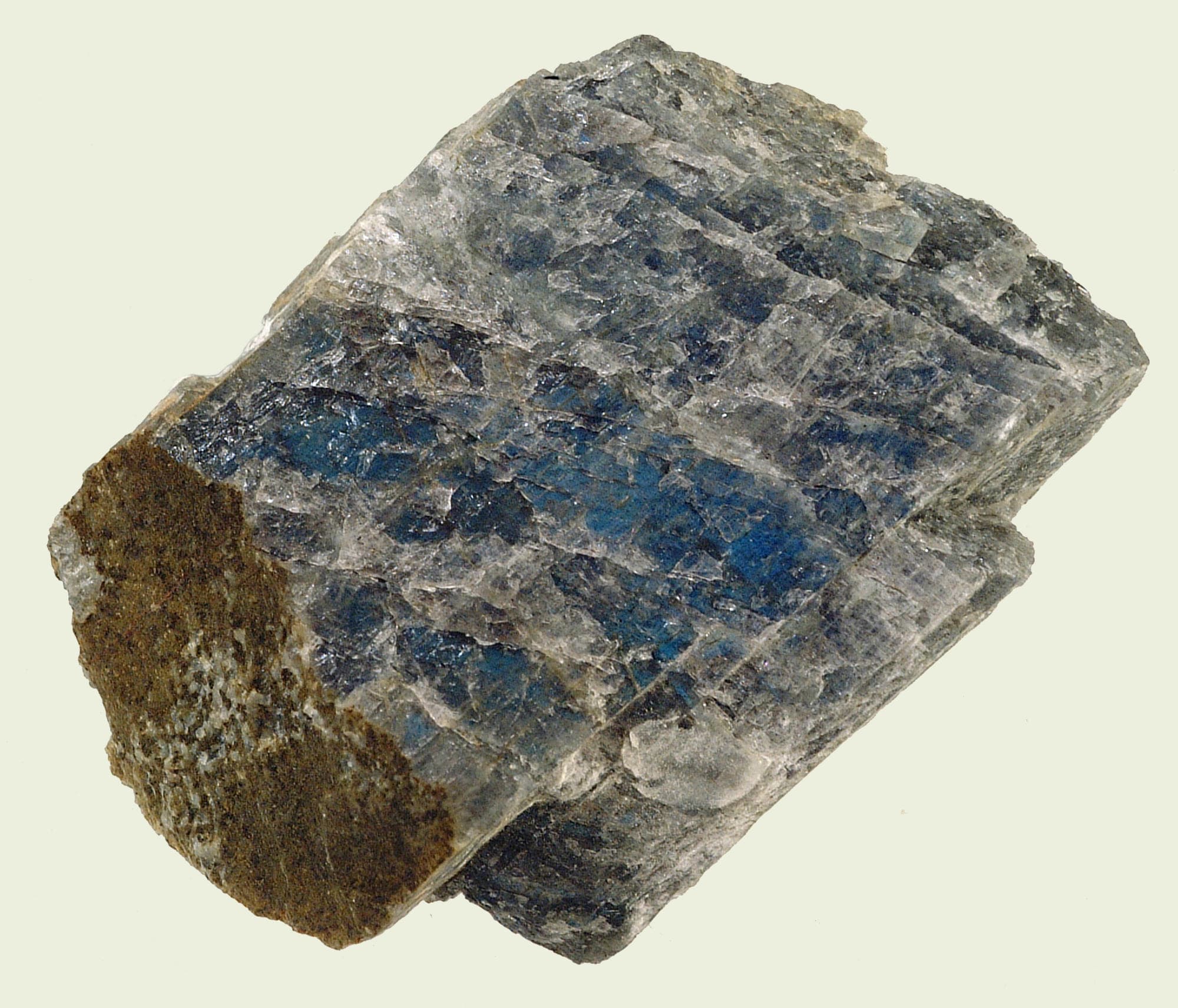
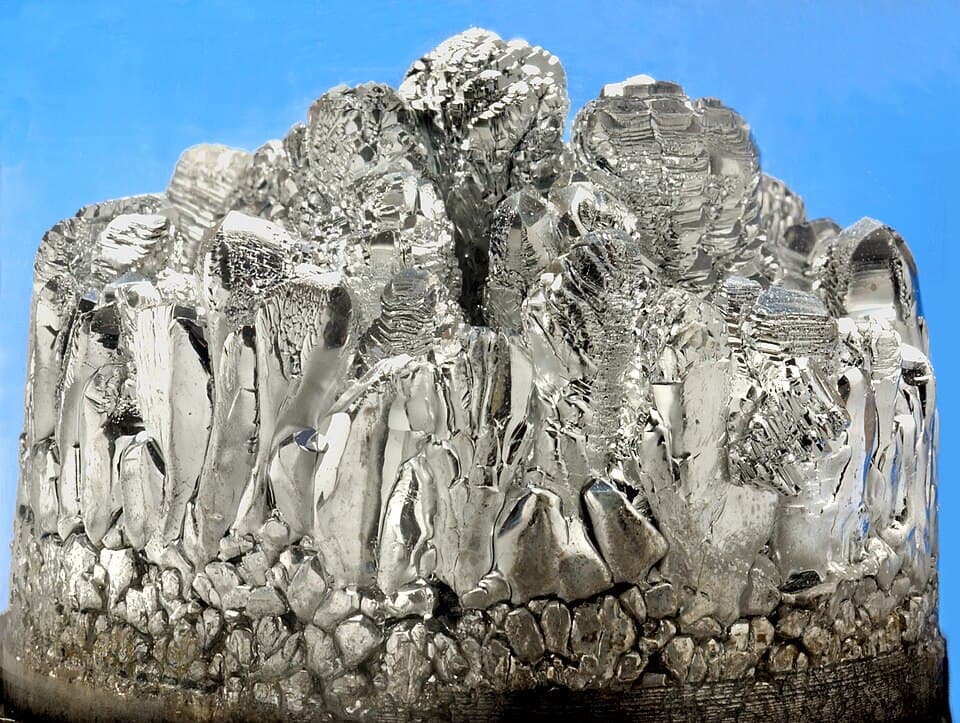
 Element / metallic specimen
Elements & metalsSilver · Gray
Magnesium↗
An element, rather than a gemstone.
Hardness: see guideKeep dry
Mark Fergus, CSIRO · CC BY 3.0 · Display cropThe Stone Parade field library / Collections 01–10
185 familiar stones. A growing world of stories.
Find a thoughtful way to wear, care and collect.
A bigger picture
Browse a parent material, then keep exploring its individual species, varieties and trade names. These reading shelves do not imply that every member is the same mineral.
01 / Find your stone
Start with a name, a color or something you noticed. Combine filters to explore mineral identities, optical effects and care needs.
Color and appearance help you browse, not identify a specimen. Hardness ranges overlap and do not measure toughness; these bands use each material’s lower reference value. Entries without an assigned value are excluded from hardness bands. Intention and chakra filters browse editorial symbolism, not health outcomes.
1 guide · All collections · 20 per page
Element / metallic specimenElements & metalsSilver · Gray
An element, rather than a gemstone.
All 185 chapters are ready to read. Reference specimens and style studies illustrate the material; actual Stone Parade pieces have their own batch records.
Crystal culture / A personal lens
Healing and energy traditions add a cultural layer to a stone’s story. Browse by a reflection theme or a contemporary chakra association. These are symbolic pairings, not established medical benefits.
A seven-center reading guide inspired by contemporary color symbolism. Chakra traditions have South Asian roots and vary across texts and communities; our stone pairings are editorial, not a universal ancient chart. Each chapter explains the distinction and links cultural sources and clinical evidence.
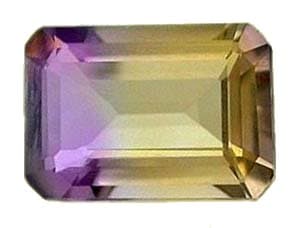 Wela49 · white-background edit by Saperaud · CC BY-SA 3.0 · Display crop
02 / Jewelry knowledge
Explore cuts, protective settings and the difference between scratch resistance and resistance to breaking.
Amethyst: a faceted quartz example ↗Moonstone: why cleavage matters ↗Fluorite: a gentler approach to jewelry ↗GIA: understanding gem treatments ↗03 / Collecting & care
Start with a mineral identity, then record the form, verified origin, finish and care needs. A rock or natural glass has a place in the collection too.
Selenite: a material to keep dry ↗Lapis lazuli: one rock, several minerals ↗Obsidian: a volcanic glass story ↗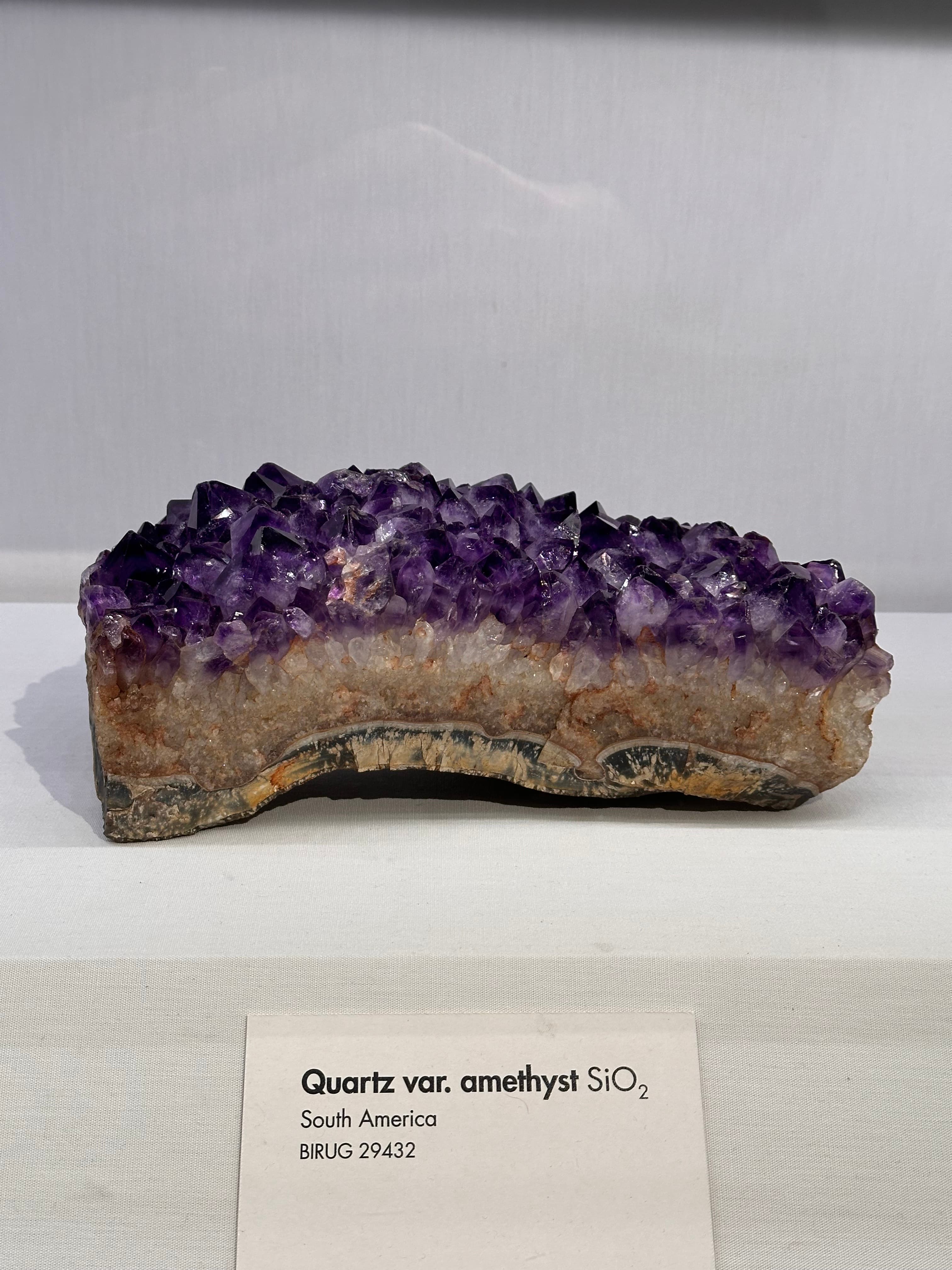
04 / The research shelf
Each chapter links its own mineral facts, locality examples and care references. Browse the wider research shelf here.
Reference photographs show real objects; style references show design possibilities. Neither establishes the identity or origin of an item in a future box. Hero image credits: Ljeto · CC BY 4.0 · Display crop; Darla Sondrol · CC0 · Display crop. Faceted ametrine photo: Wela49 · white-background edit by Saperaud · CC BY-SA 3.0 · Display crop.
Properties are also checked against the Mineralogical Society of America’s Handbook of Mineralogy. GeoDIL provides attributed collection photographs and specimen records. Localities are examples, not product-origin certificates.