Agate, jasper and commercial pattern names are useful reading paths, not separate species in every case. Grape agate is cross-referenced to botryoidal quartz.
Keep each chapter’s scientific identity: a family, species, variety, trade label, rock and fossil are different kinds of names.
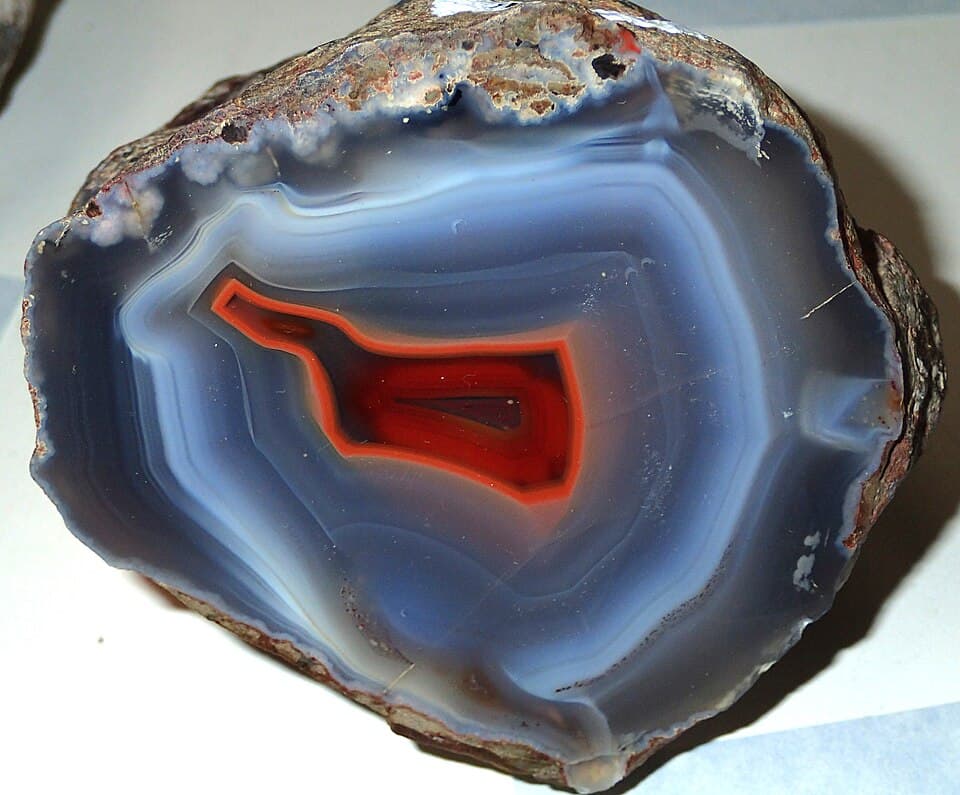
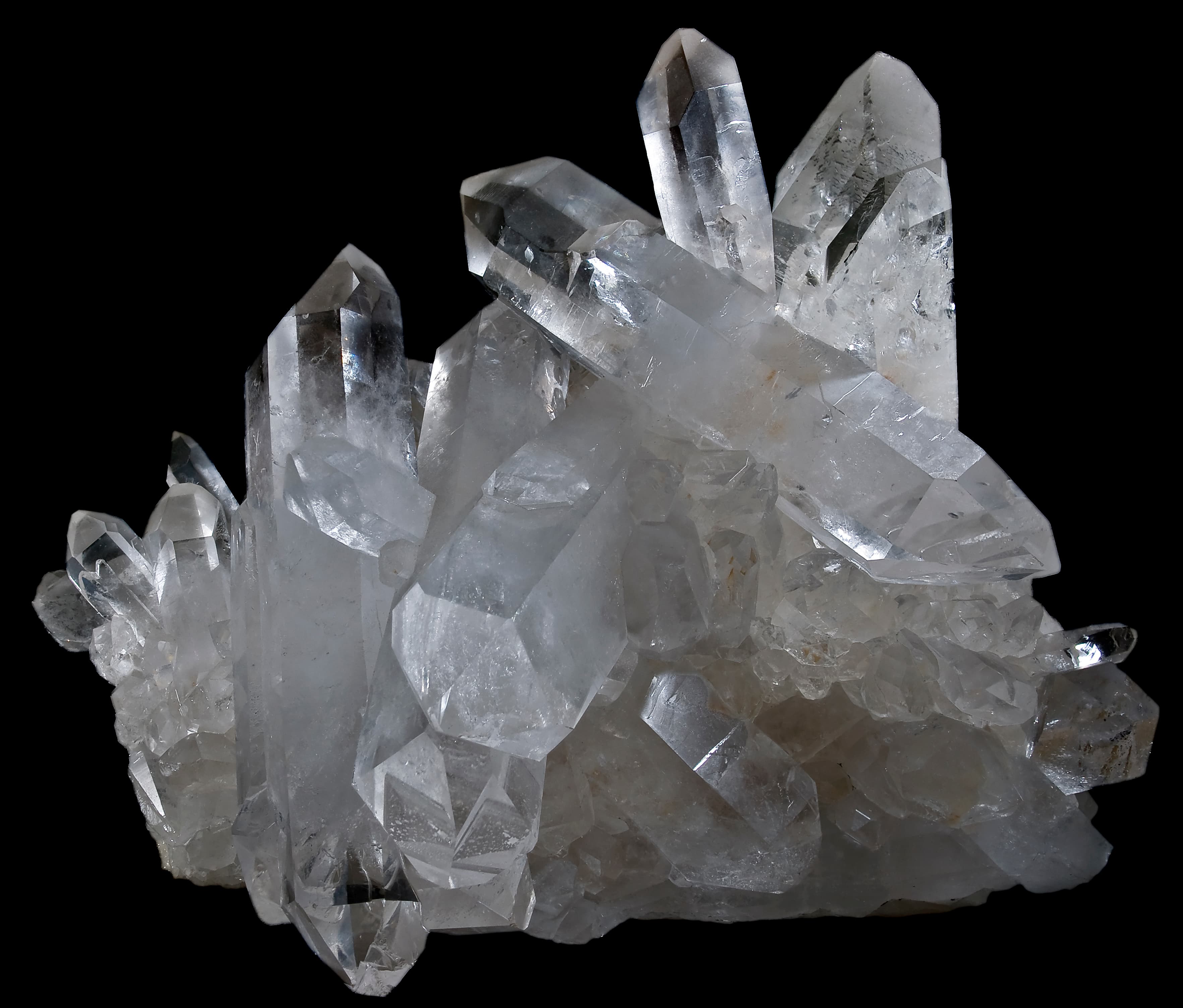
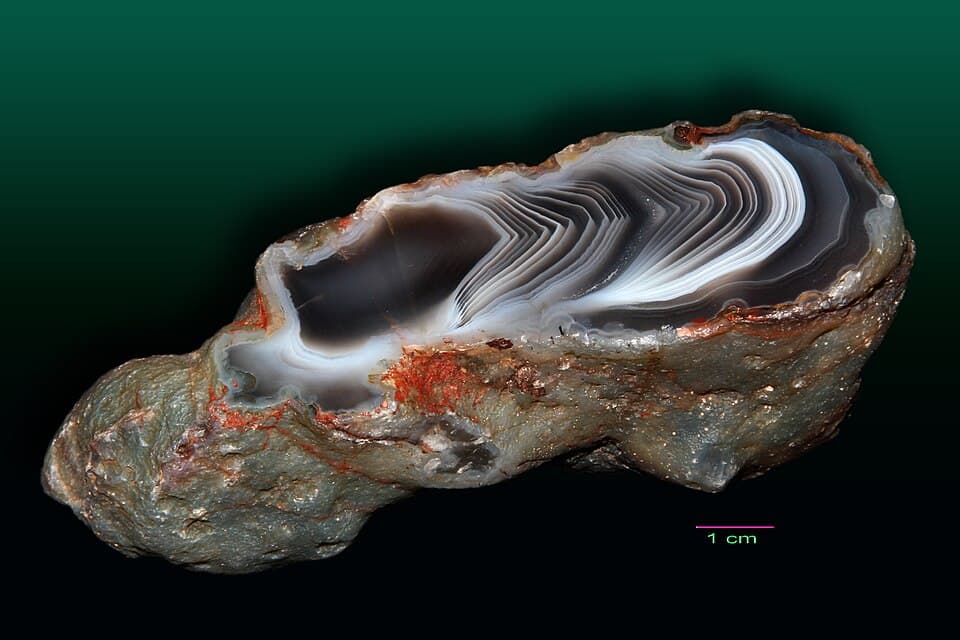
Agate draws attention through bands, repeated curves and changing translucence. It belongs with chalcedony: silica-rich material whose crystals are far smaller than the large points associated with rock crystal.
Carnelian is the warm orange-to-reddish member of the chalcedony collection. A smooth polish and light passing through a thinner edge often reveal its character more clearly than a distant photograph.
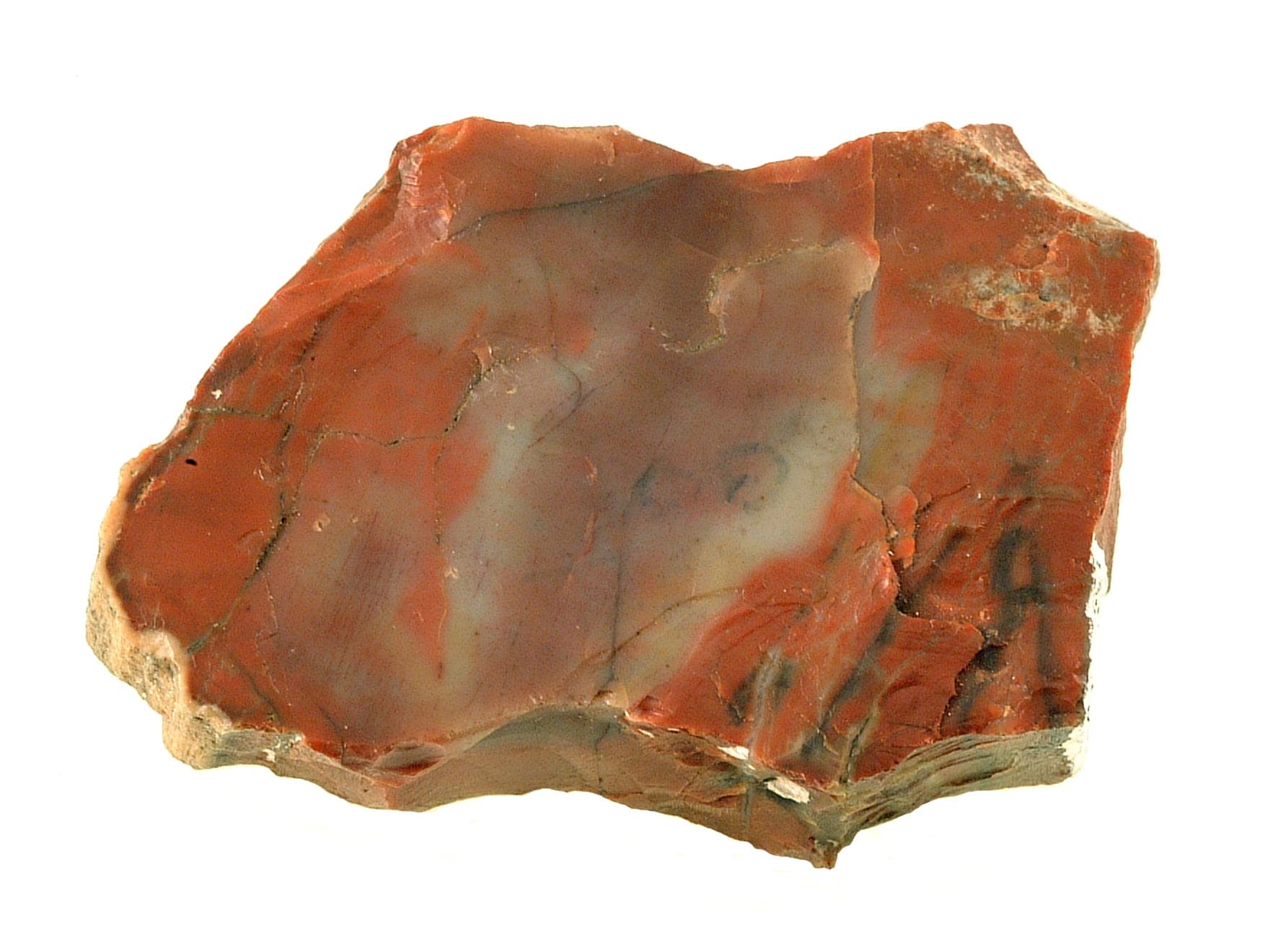
Red jasper is an opaque, silica-rich material often chosen for its earthy red color and individual pattern. It is a useful contrast to the transparency of clear quartz and the soft translucence of carnelian.
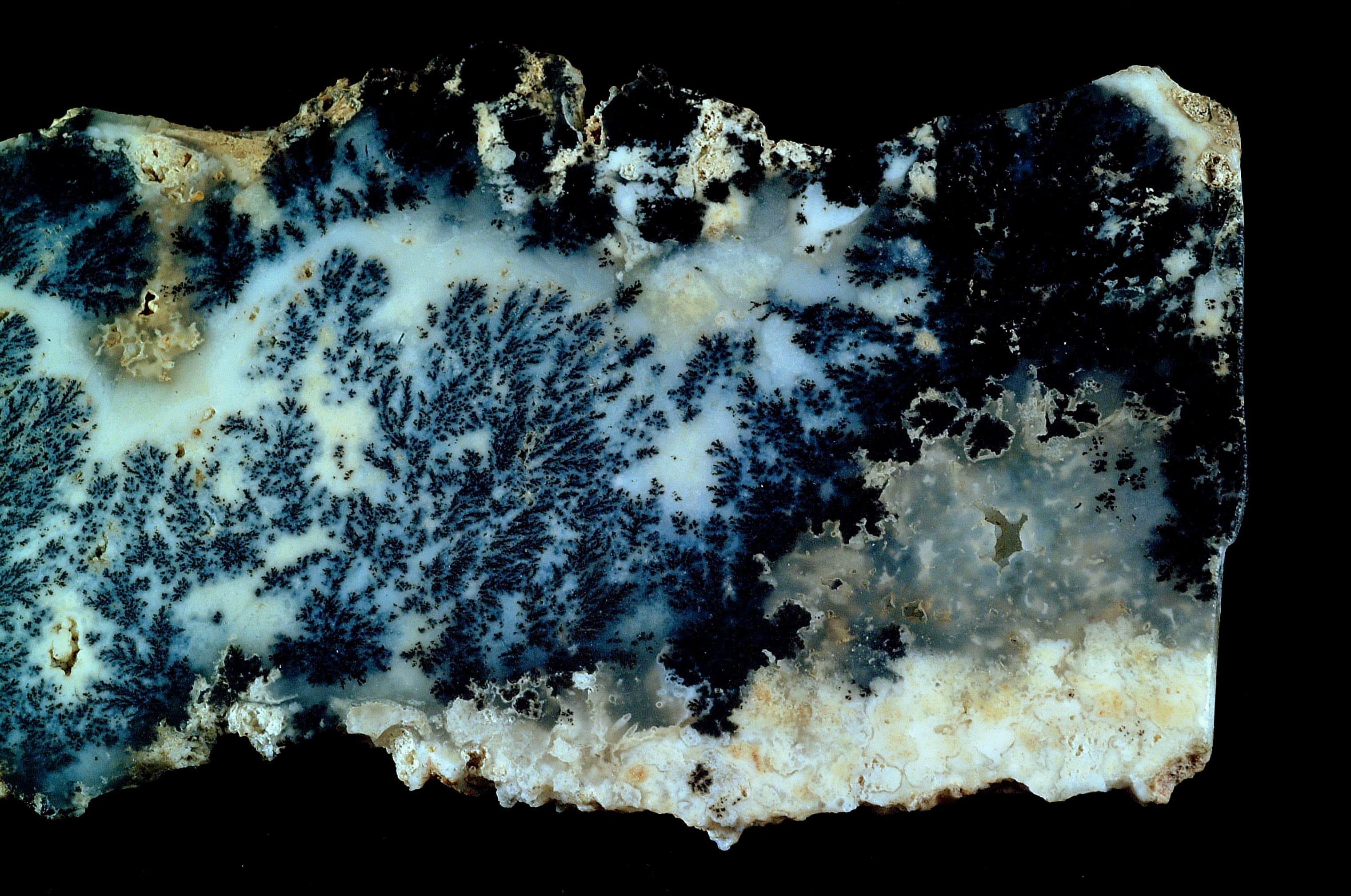
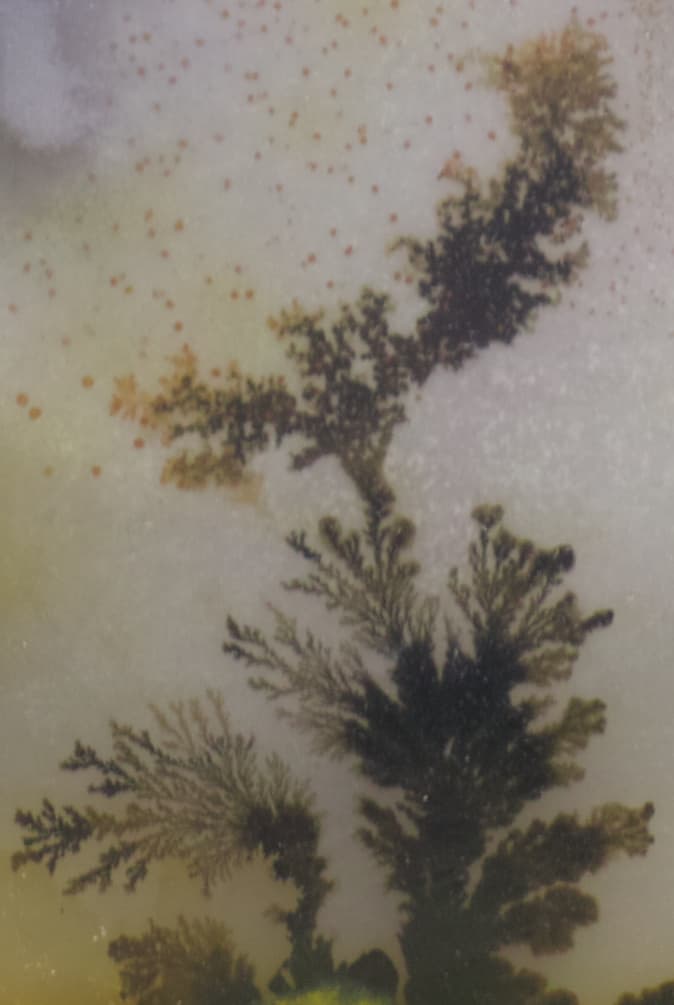
Moss agate contains branching or moss-like mineral patterns in chalcedony. These can be green, dark or otherwise varied, so the name describes an appearance rather than one fixed color.
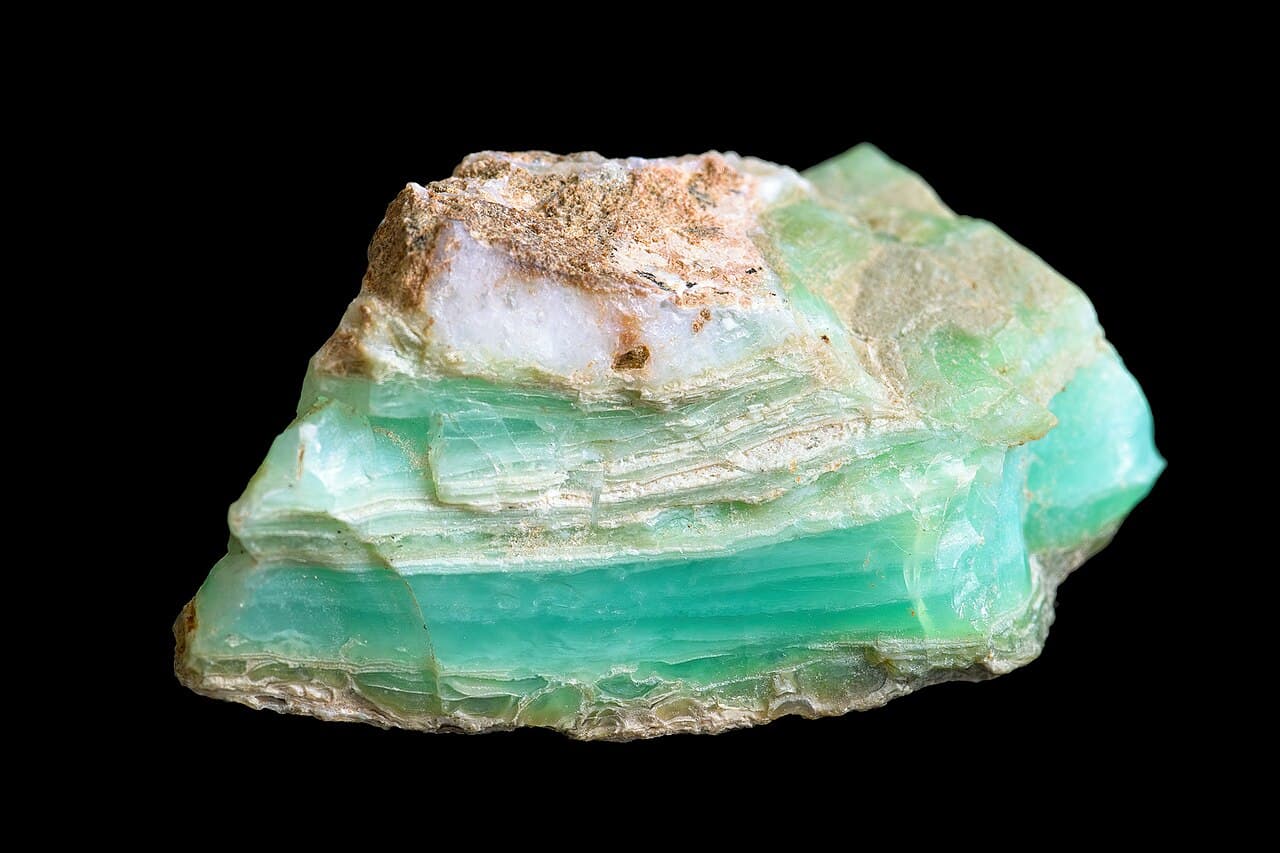
Chrysoprase is a green chalcedony variety, often with an inviting apple-green translucence. Rounded polished forms show its color without needing the reflections of a faceted gem.
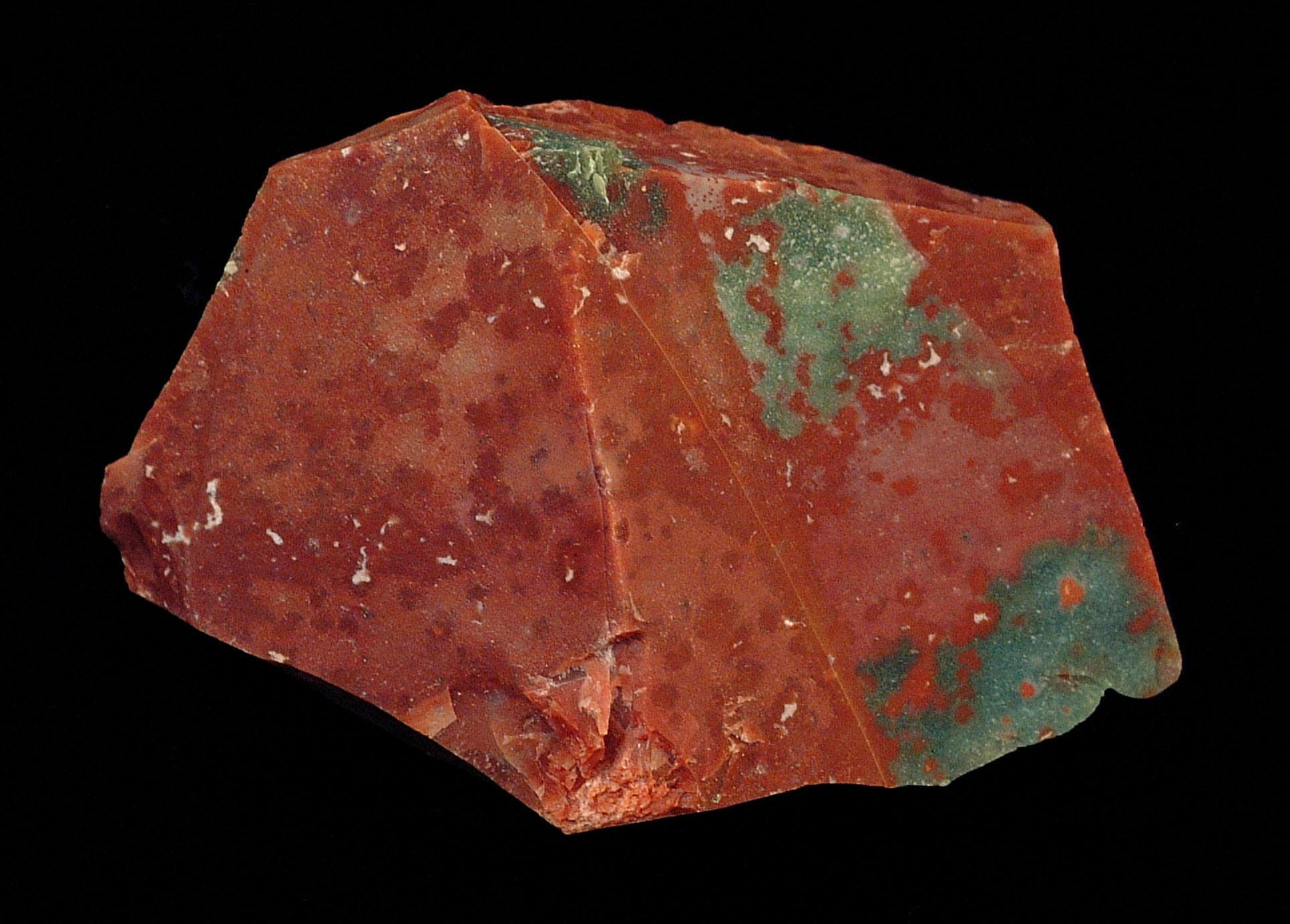
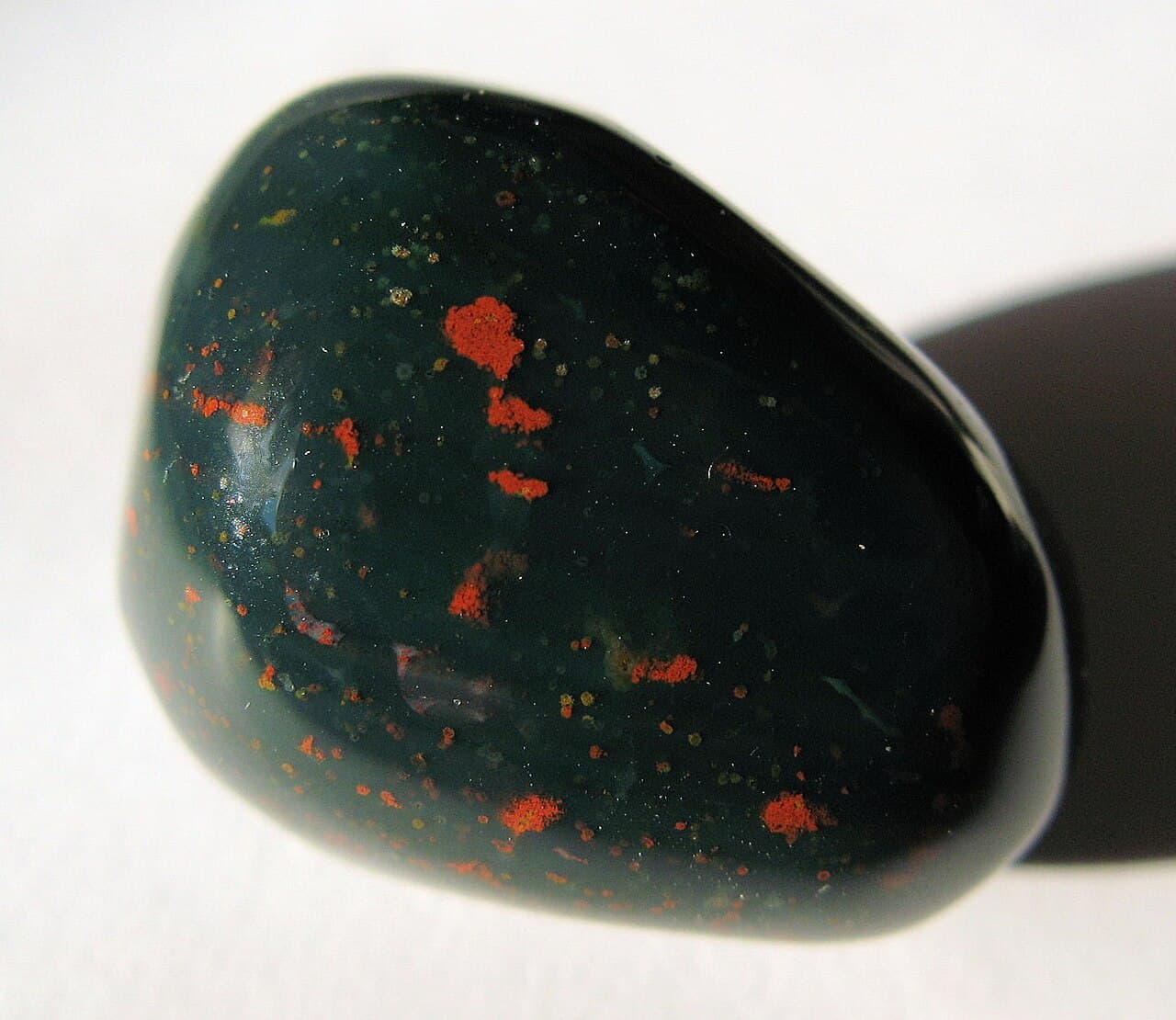
Bloodstone pairs a dark green host with small red to orange mineral markings. Its name describes a visual pattern and a long cultural history, rather than any relationship to human blood.
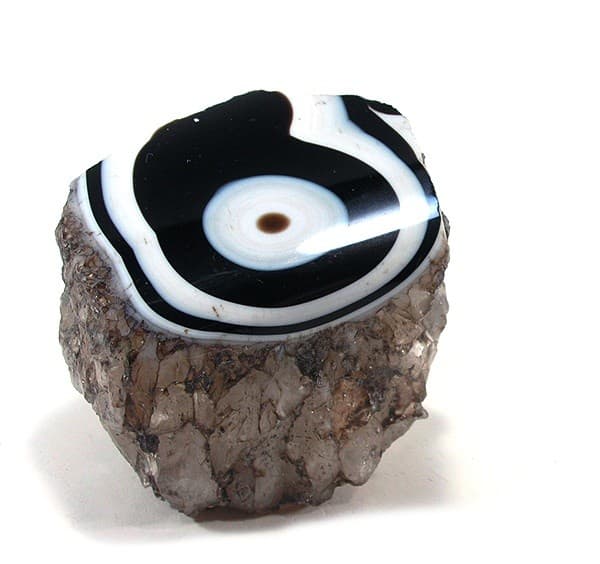
Black onyx is a familiar jewelry trade name for dark chalcedony. Its clean reflective surface can look very different from the visibly banded material behind the geological name onyx.
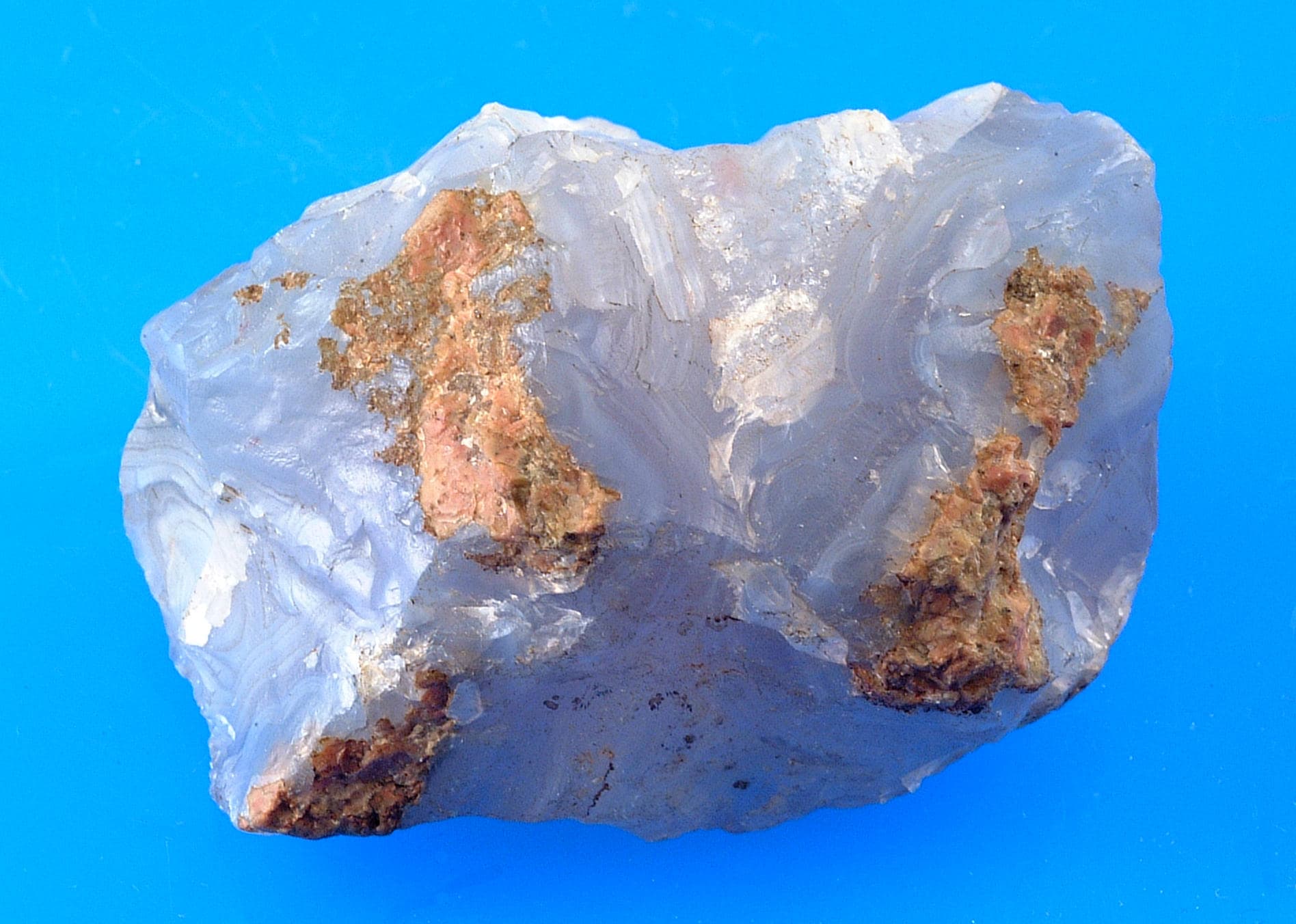
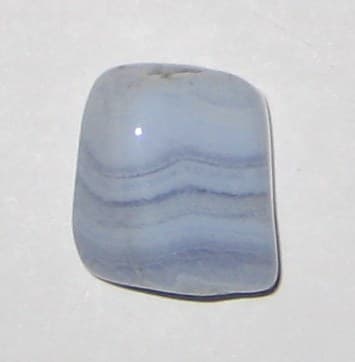
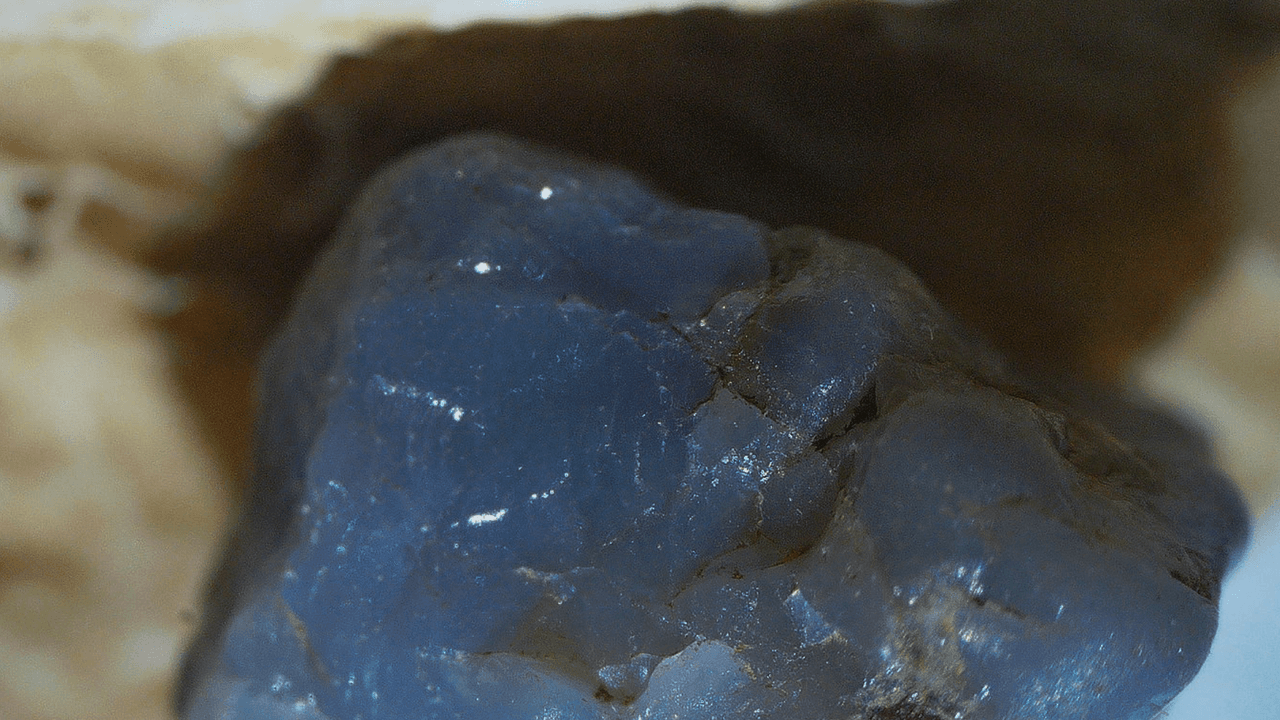
Blue chalcedony has a soft translucent appearance that is different from the clear transparency of a single quartz crystal. Broad polished surfaces invite a slower look at clouds and subtle color.
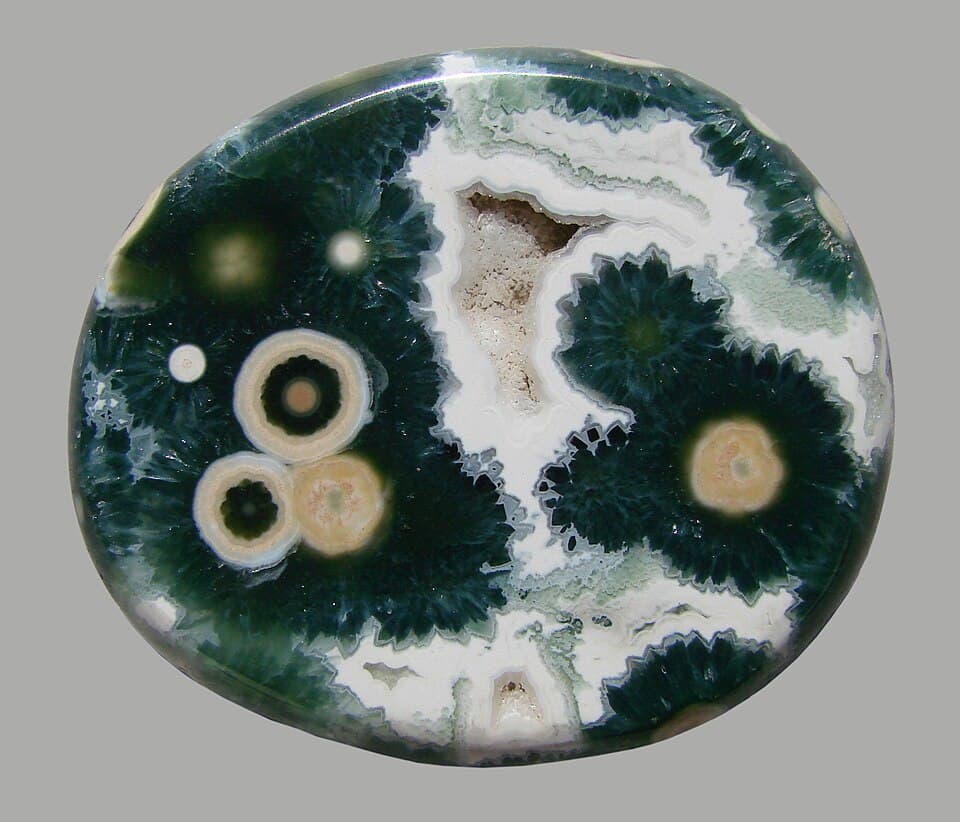
Orbicular patterns give this commercial material its appeal. The name does not establish an ocean formation process or a documented Madagascar origin for every marketed piece.
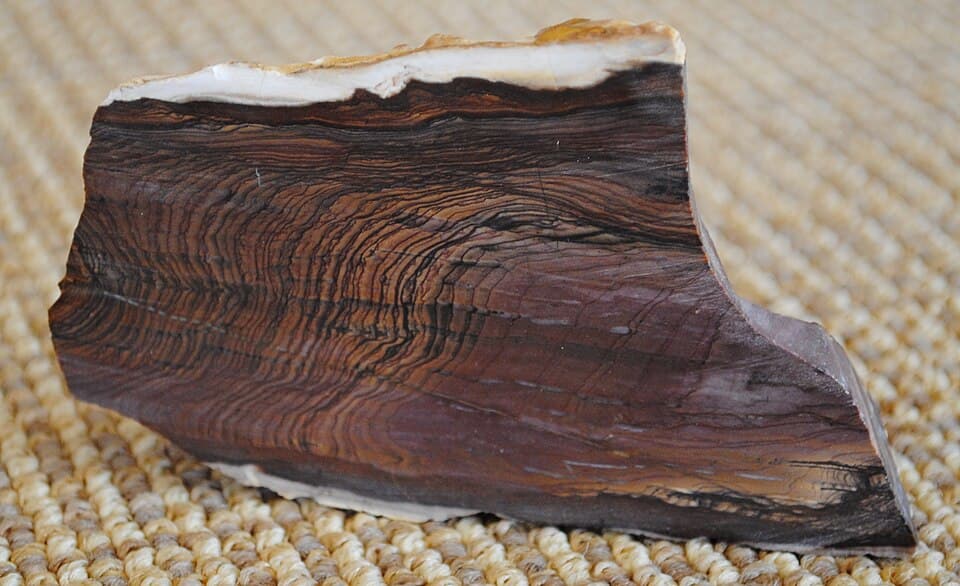
Landscape-like bands and patches are visual associations, not pictures of a real landscape. Composition and locality can vary; the trade label is broader than a mineral species.
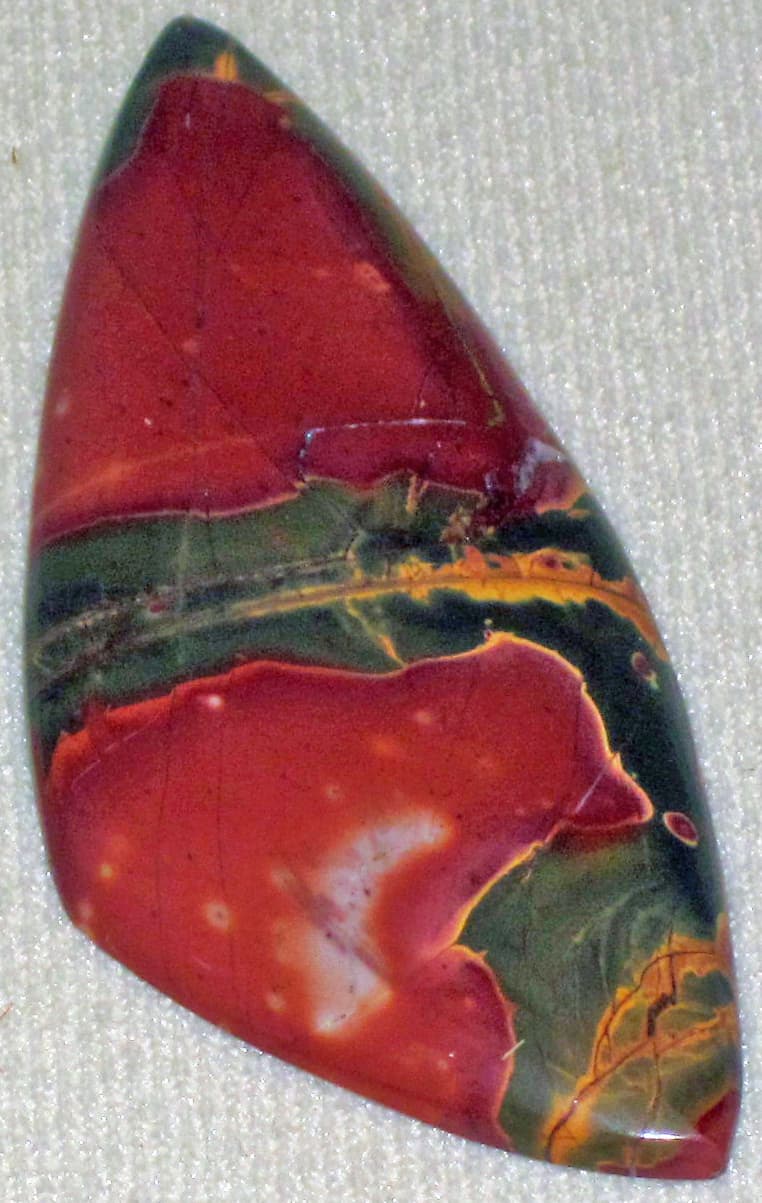
Several earthy colors and broad patterns distinguish the trade appearance. The label does not fix one chemical composition, locality or mineral assemblage.
James St. John · CC BY 2.0 · Display crop Comparison photograph: multicolored Cherry Creek jasper, not a verified Polychrome Jasper trade-labeled specimen.
Pale plume-like patterns resemble blossoms. They are mineral textures, not preserved flowers; the commercial name does not identify every inclusion or prove one mine source.
James St. John · CC BY 2.0 · Display crop Parent-material comparison: banded agate, not a verified Sakura / Flower Agate specimen.
Grape-like spheres describe the habit. Material sold under this name may show crystalline quartz surfaces and is not automatically banded chalcedony merely because “agate” appears in its name.
Fine gray, white or brown bands are typical in the trade. An attractive banded agate still needs a documented record before Botswana can be stated as its origin.
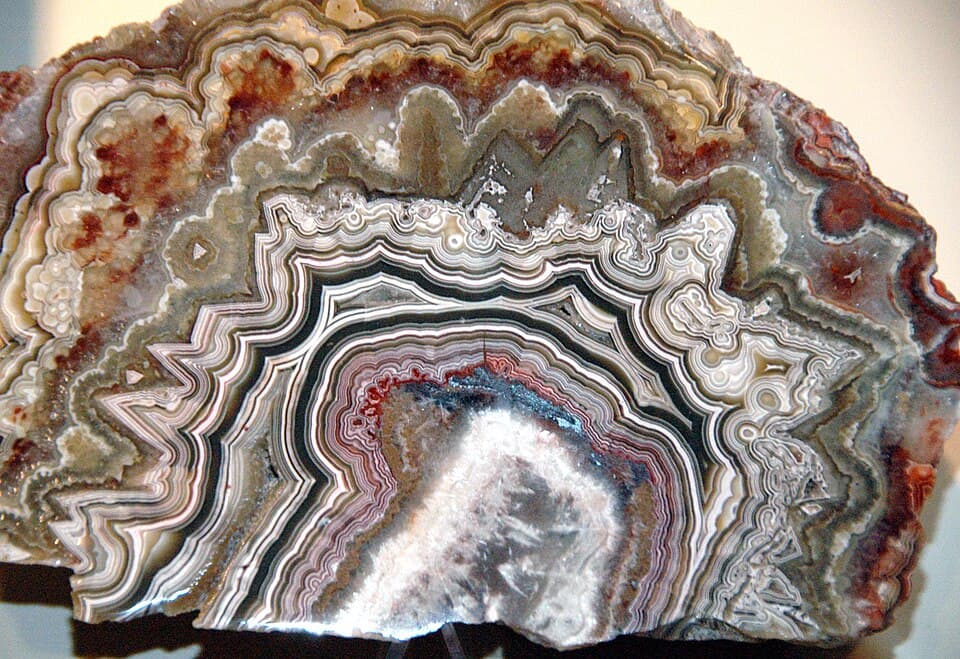
Complex lace-like bands create a busy, flowing pattern. Pattern names are useful for browsing but do not replace a material identification or a supplier’s locality record.
Branching mineral inclusions resemble plants but are not plant fossils. Many commercial dendritic materials have little banding, so “dendritic chalcedony” can be the clearer description.
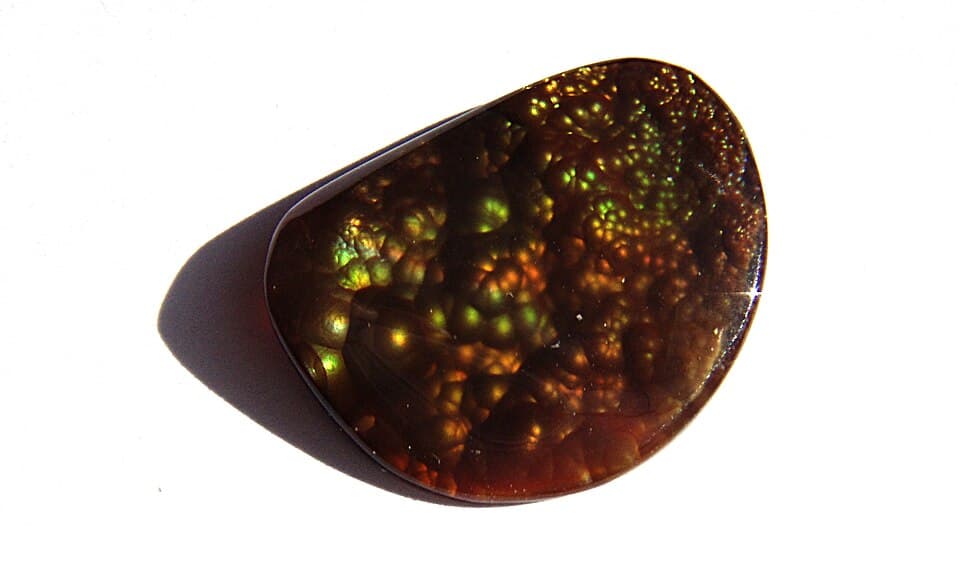
Iridescence associated with layered botryoidal structures distinguishes fire agate. It is not simply any orange-red agate, and its effect is different from opal play-of-color.
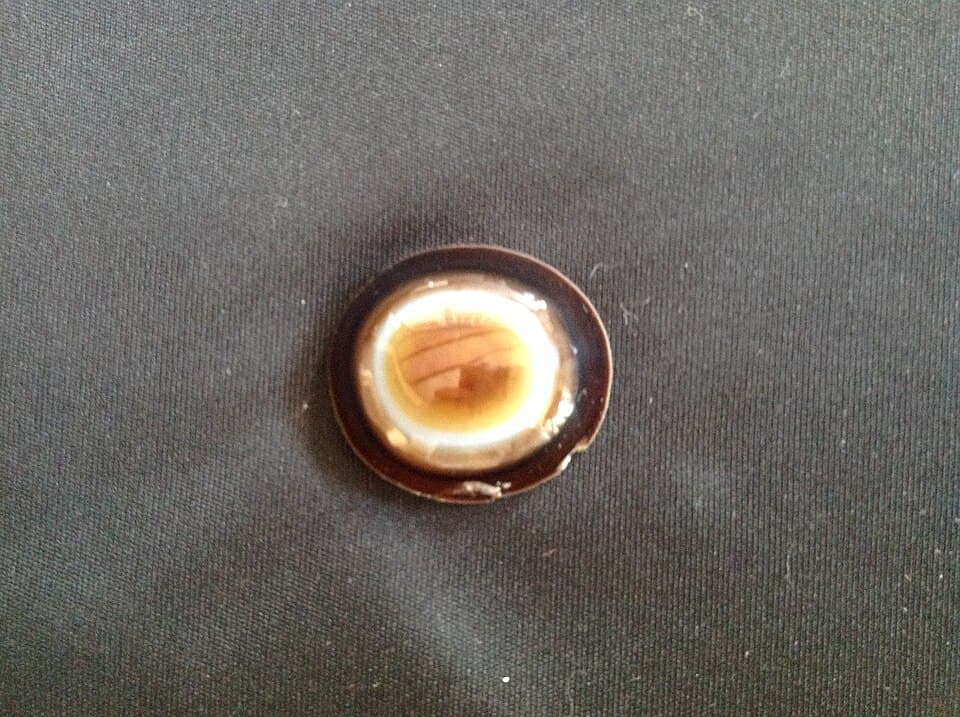
Sardonyx combines sard-colored layers with contrasting pale layers. It is not a separate species; dyed banded material must be distinguished from its untreated appearance.