Lepidolite ↗
Series / field name
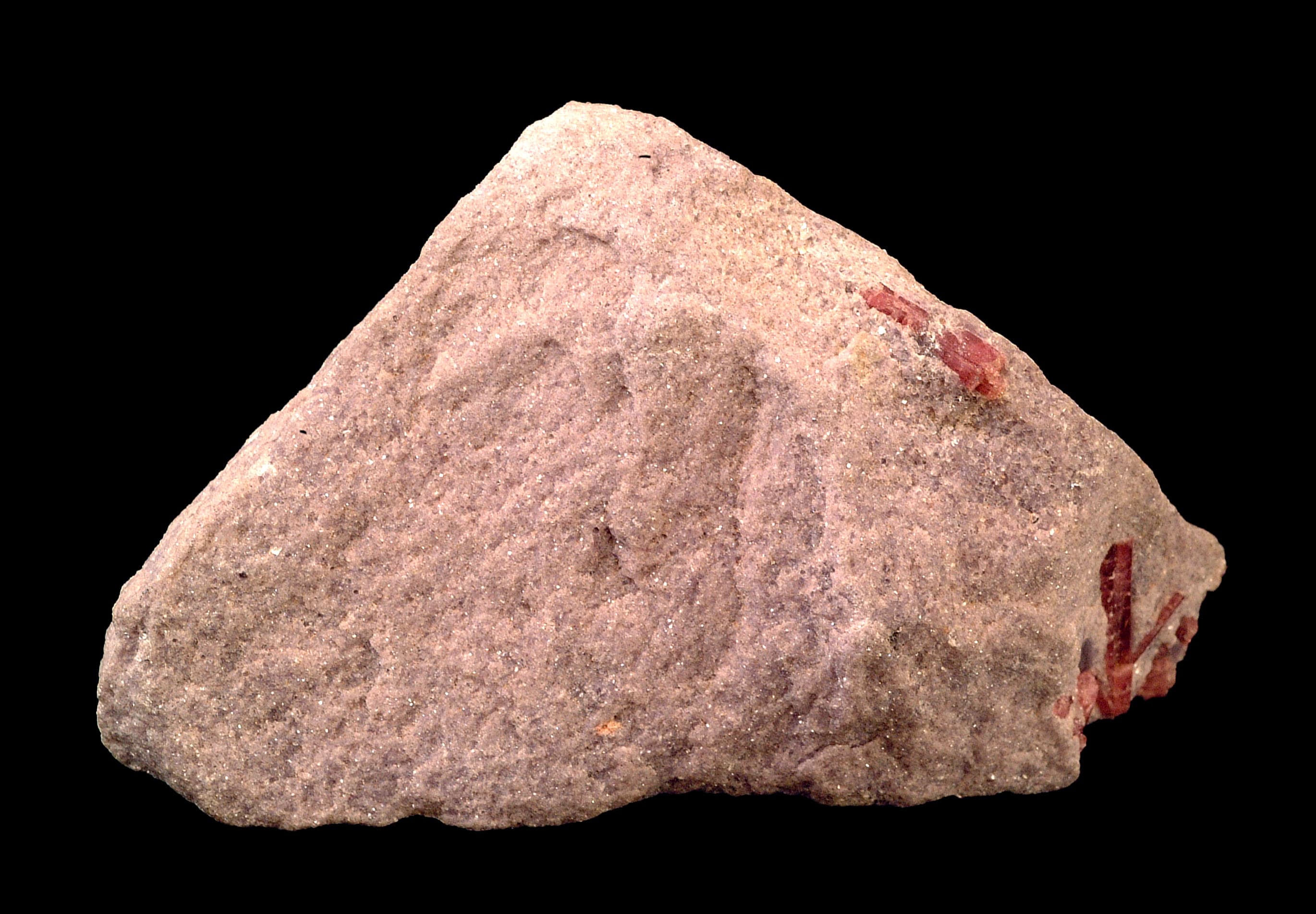
Material called lepidolite often has a lavender or pink, finely sparkling surface. The shimmer comes from the way small mica surfaces catch the light.
Shannon Heinle · CC0 · Display cropMineral group and variety names
Muscovite and phlogopite are distinct species. Fuchsite is chromium-bearing muscovite. Lepidolite is a compositional/field name rather than one guaranteed species.
Keep each chapter’s scientific identity: a family, species, variety, trade label, rock and fossil are different kinds of names.
Series / field name
Material called lepidolite often has a lavender or pink, finely sparkling surface. The shimmer comes from the way small mica surfaces catch the light.
Shannon Heinle · CC0 · Display crop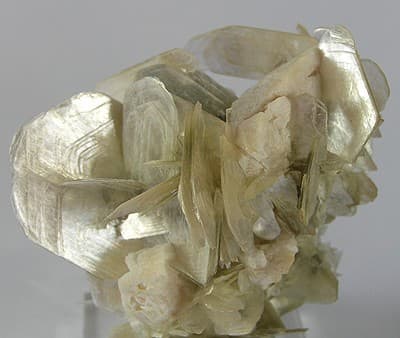
Mineral species
Muscovite is a potassium aluminum mica, often pale or nearly colorless in thin sheets. Stacked layers can look much darker than a single transparent flake.
Robert M. Lavinsky · CC BY-SA 3.0 · Display crop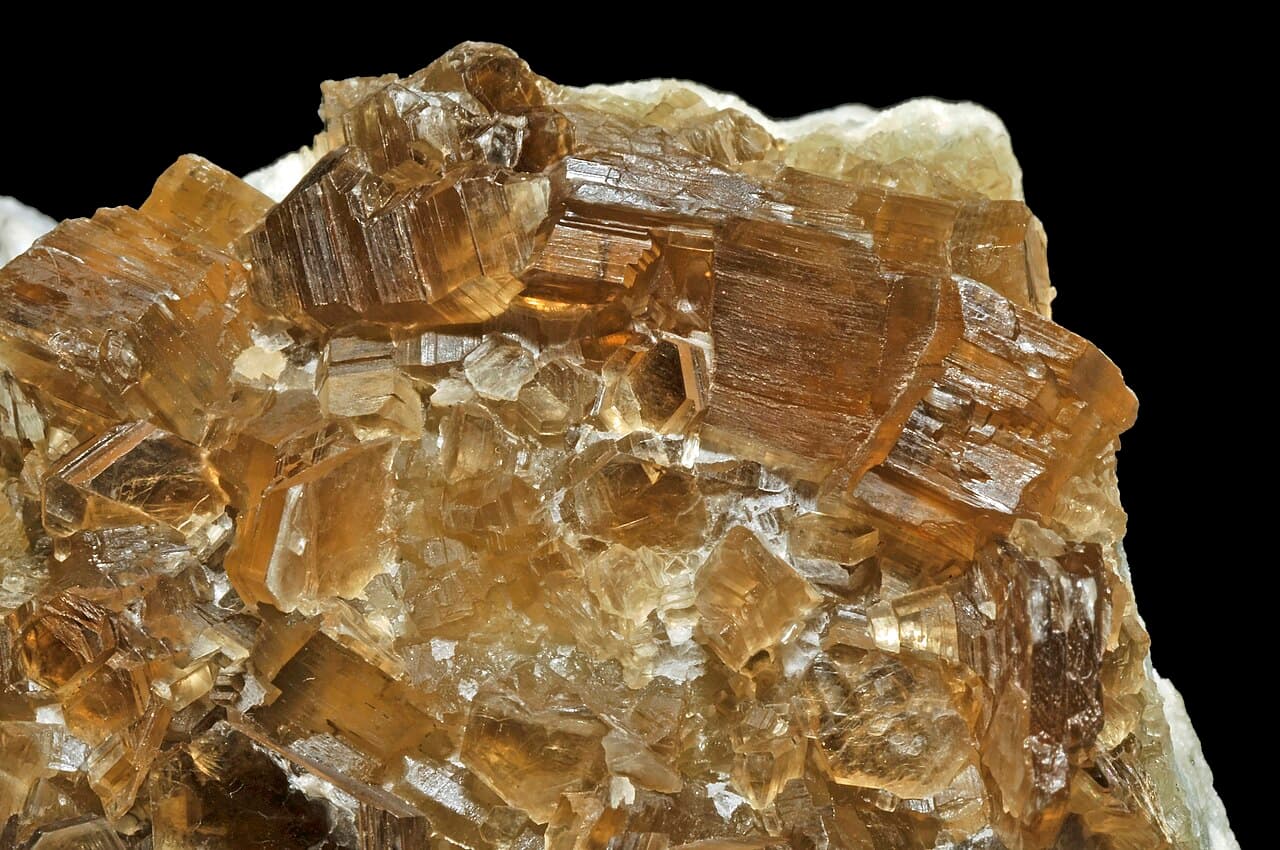
Mineral species
Phlogopite is a magnesium-rich mica, often yellow-brown or bronze-looking in thicker books. Thin sheets can reveal a lighter color and different translucence.
Géry PARENT · CC BY-SA 3.0 · Display crop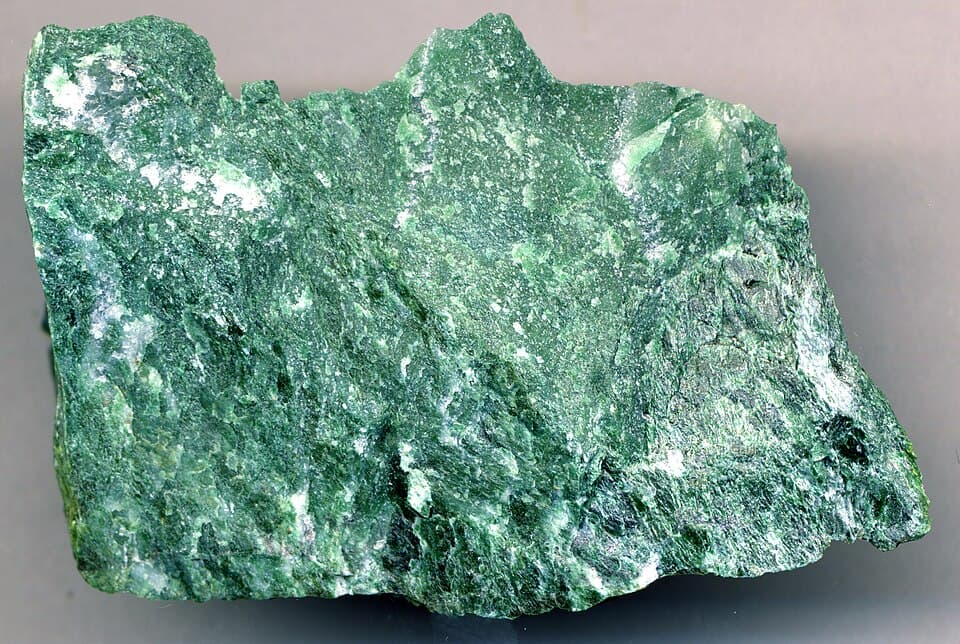
Chromium-bearing muscovite variety
Chromium-bearing green mica is commonly called fuchsite. A mica-rich rock is an aggregate, and ruby in fuchsite is a different association from ruby in zoisite.
James St. John · CC BY 2.0 · Display crop