A color with a cause
Its smoky color is associated with irradiation and trace aluminum in the quartz structure.
Color explained ↗The Crystal Guide Field guide / 01
Earthy browns. Light caught within. Get to know the mineral behind the beautiful object.
Open the collection card ↓A quartz variety · A closer look, from nature to jewelry
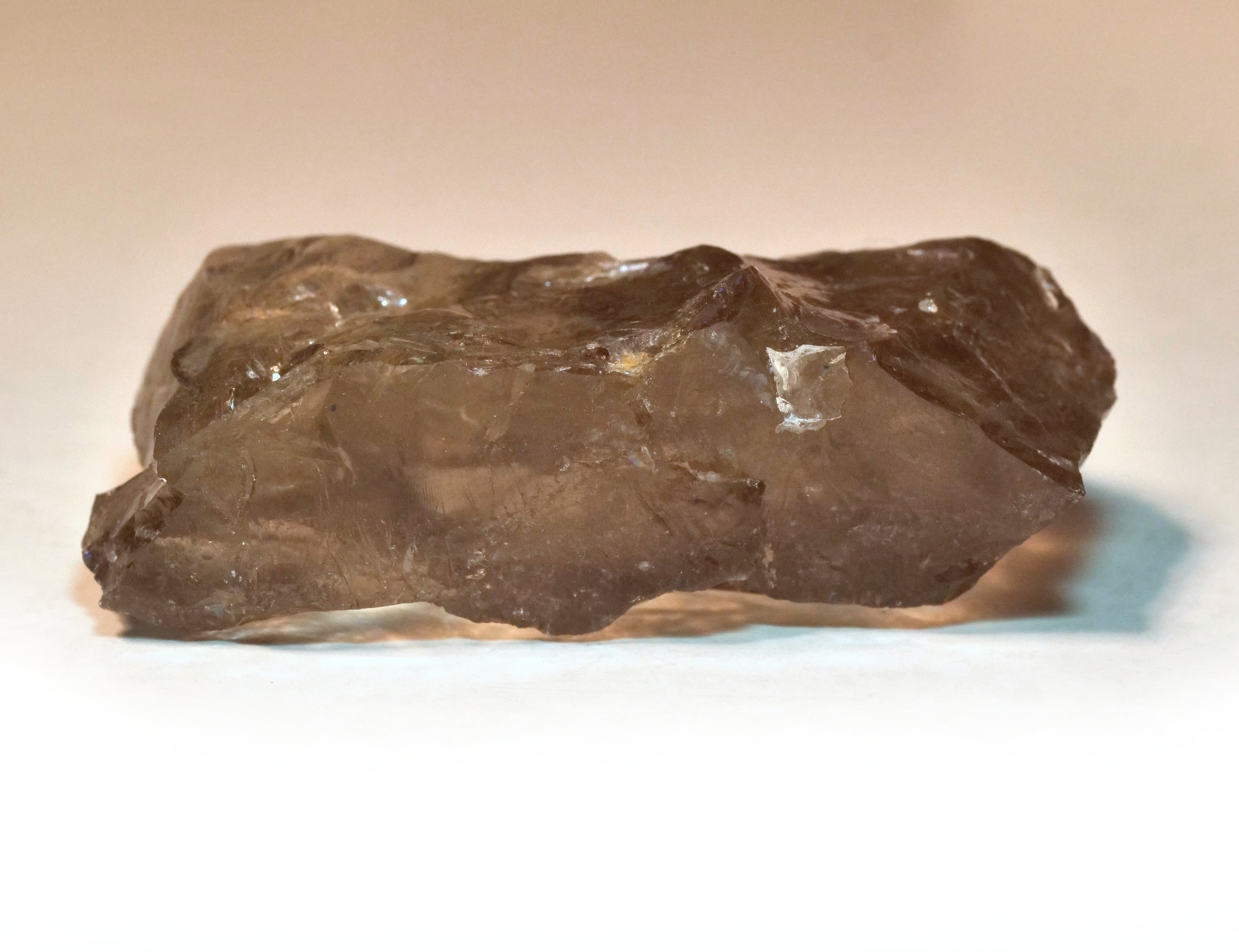 01 / In its rough form
01 / Your collection card, opened up
Smoky quartz is a color variety of quartz, rather than a separate mineral species. Its gray-to-brown tones give a familiar mineral a different mood. Mindat ↗
Mineral properties: Handbook of Mineralogy · Quartz ↗
A visual field note
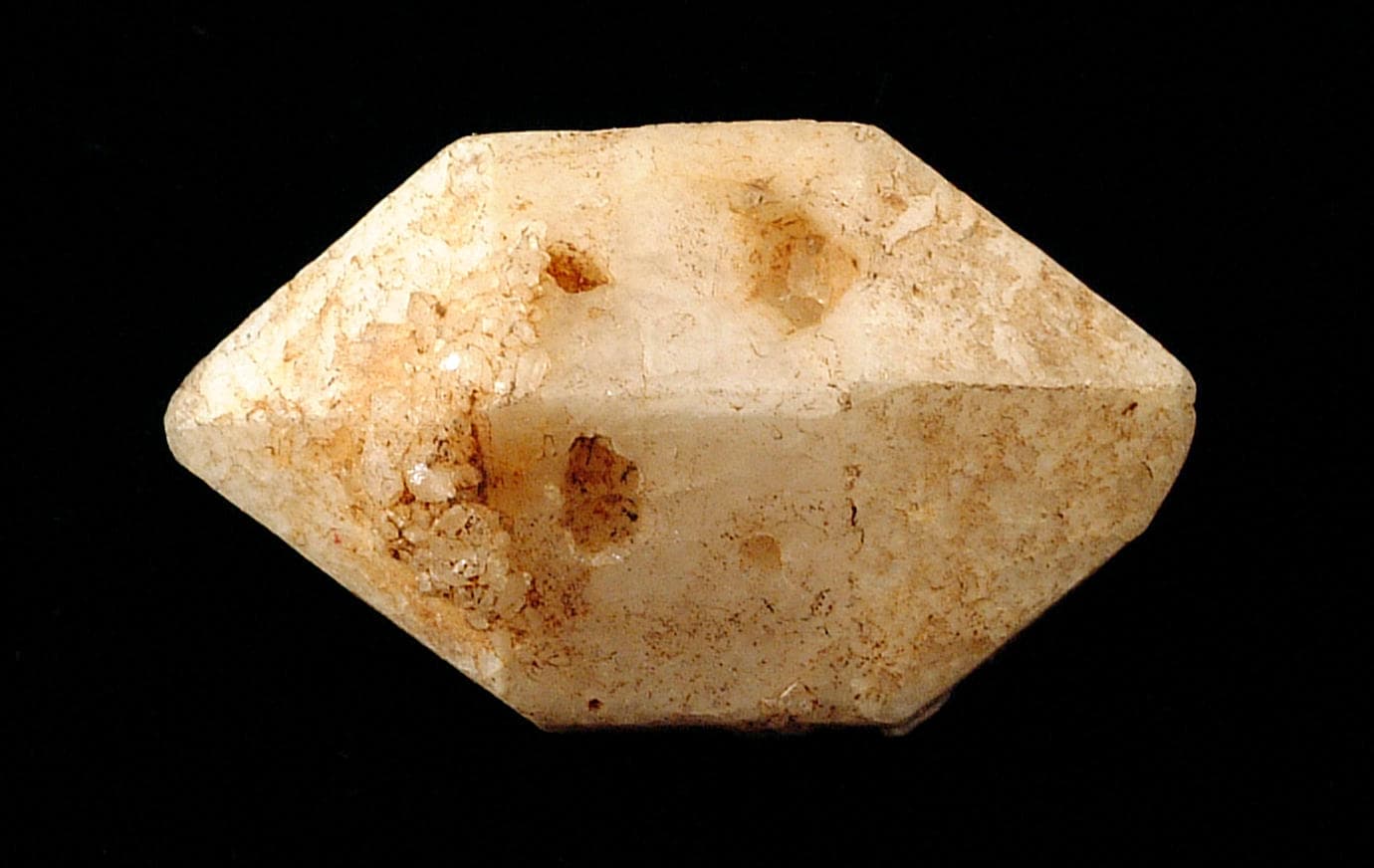
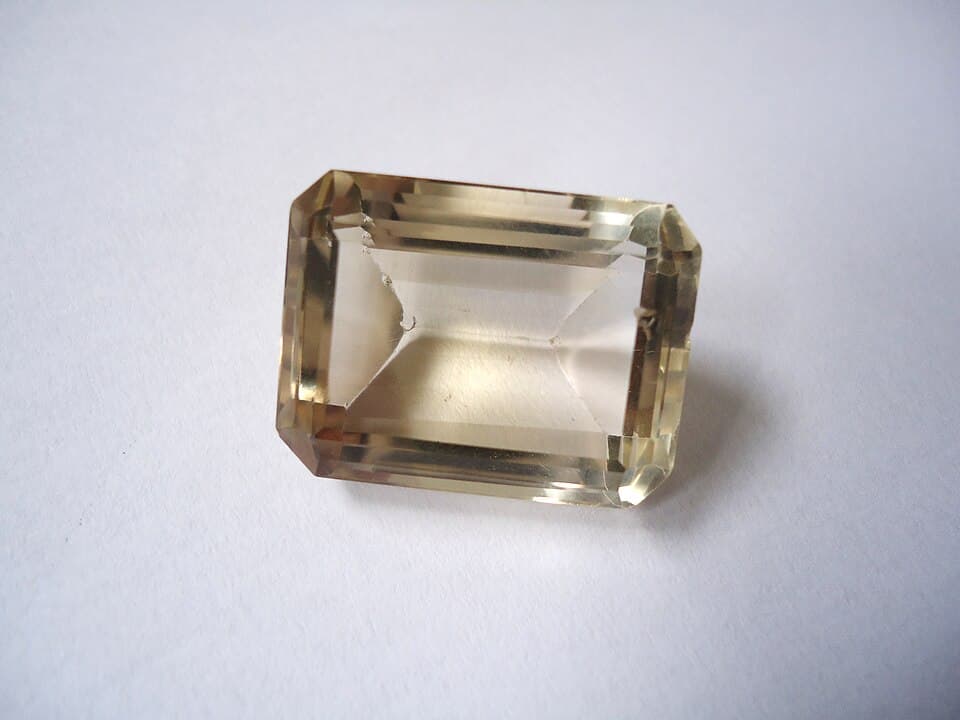
Compare an unpolished piece, a naturally formed crystal and a gem shaped by a lapidary. The middle image is quartz for a form comparison, not a smoky-quartz identification.
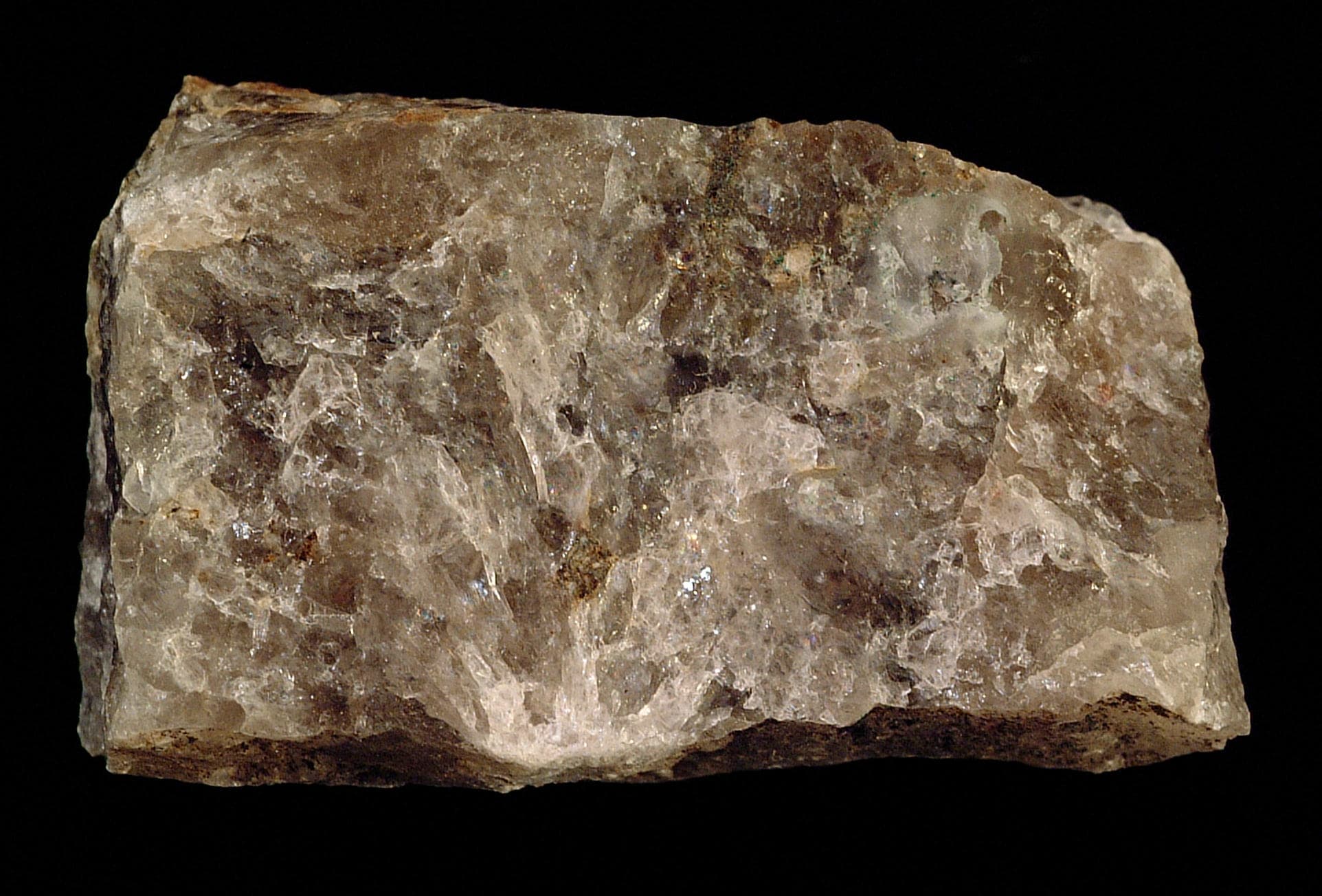
Its smoky color is associated with irradiation and trace aluminum in the quartz structure.
Color explained ↗Quartz often grows with six-sided crystal forms. Rough pieces may also show broken surfaces rather than complete crystal points.
Quartz forms ↗Mohs hardness describes resistance to scratching. Quartz is still brittle: a knock can chip an edge or point.
Physical properties ↗02 / Learn the language
Two useful descriptions, with room to overlap. A raw piece can also be a collectible specimen.
A stone left uncut and unpolished. It may be a fragment, a crystal or a piece with surrounding rock.
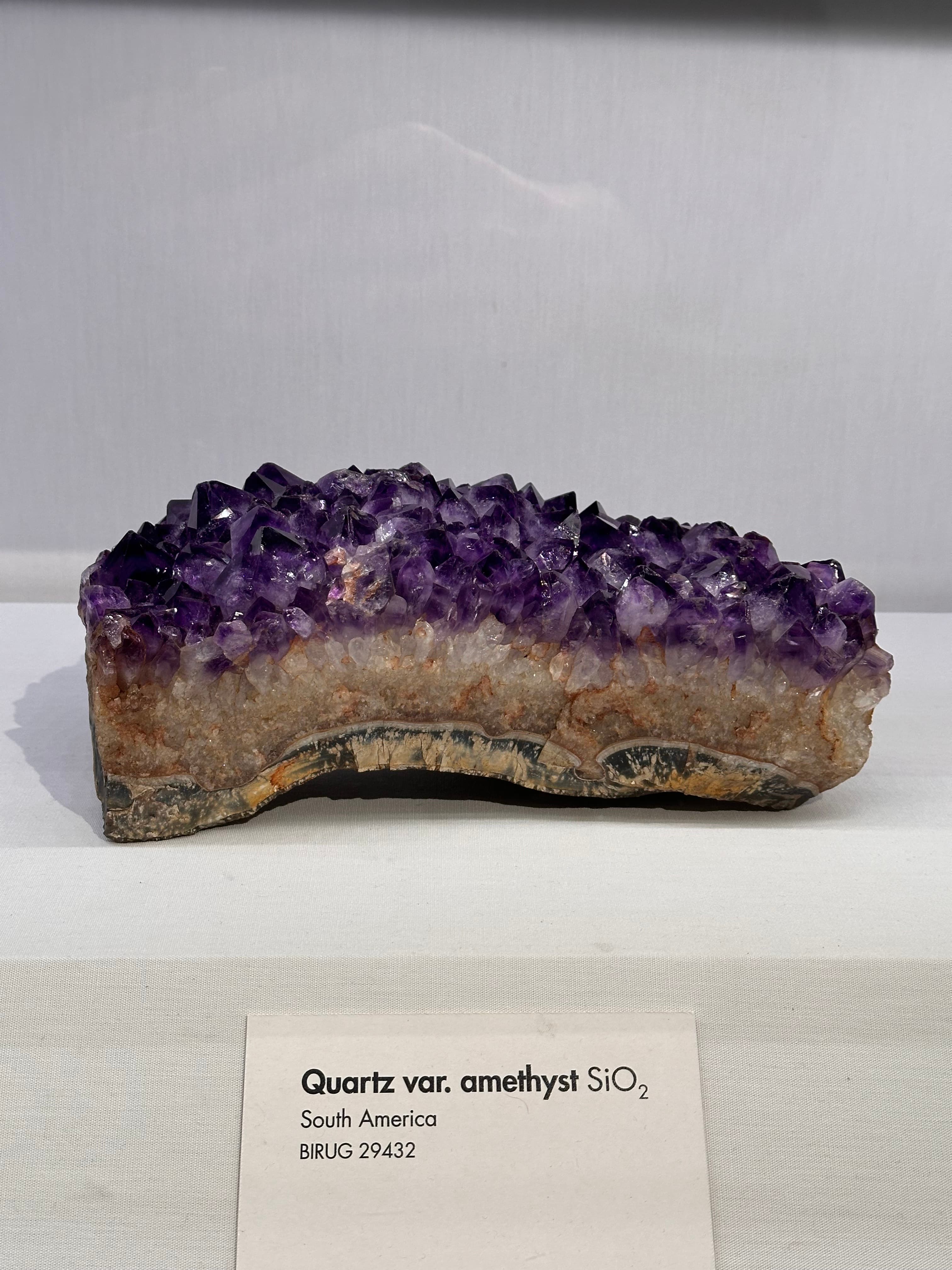
A piece kept for its mineral features, crystal growth or locality. Specimens can be small enough for a collection box or large enough for a museum.
Pictured: amethyst on matrix · TomWG00 · CC0 · Display cropIn every Stone Parade One raw stone or collector-sized mineral specimen, chosen for the month.
A sense of place
Quartz forms in many geological settings, including veins and granite pegmatites. Formation ↗
The Smithsonian records a 90 ct cut smoky quartz from the Berner Alp, Tschingelhorn. This is an independent museum example; it is not the gem pictured in our photo viewer. NMNH G3293-00 ↗
The Smithsonian also documents a Brazilian smoky-citrine gem: quartz showing both smoky and citrine coloration. It is a related variety example, rather than a locality claim for our pictured rough. NMNH G11455 ↗
These are recorded examples, not the origin of a Stone Parade item. A box stone’s locality will be listed only when verified for that batch.
03 / Beyond the collection card
A pause in pictures
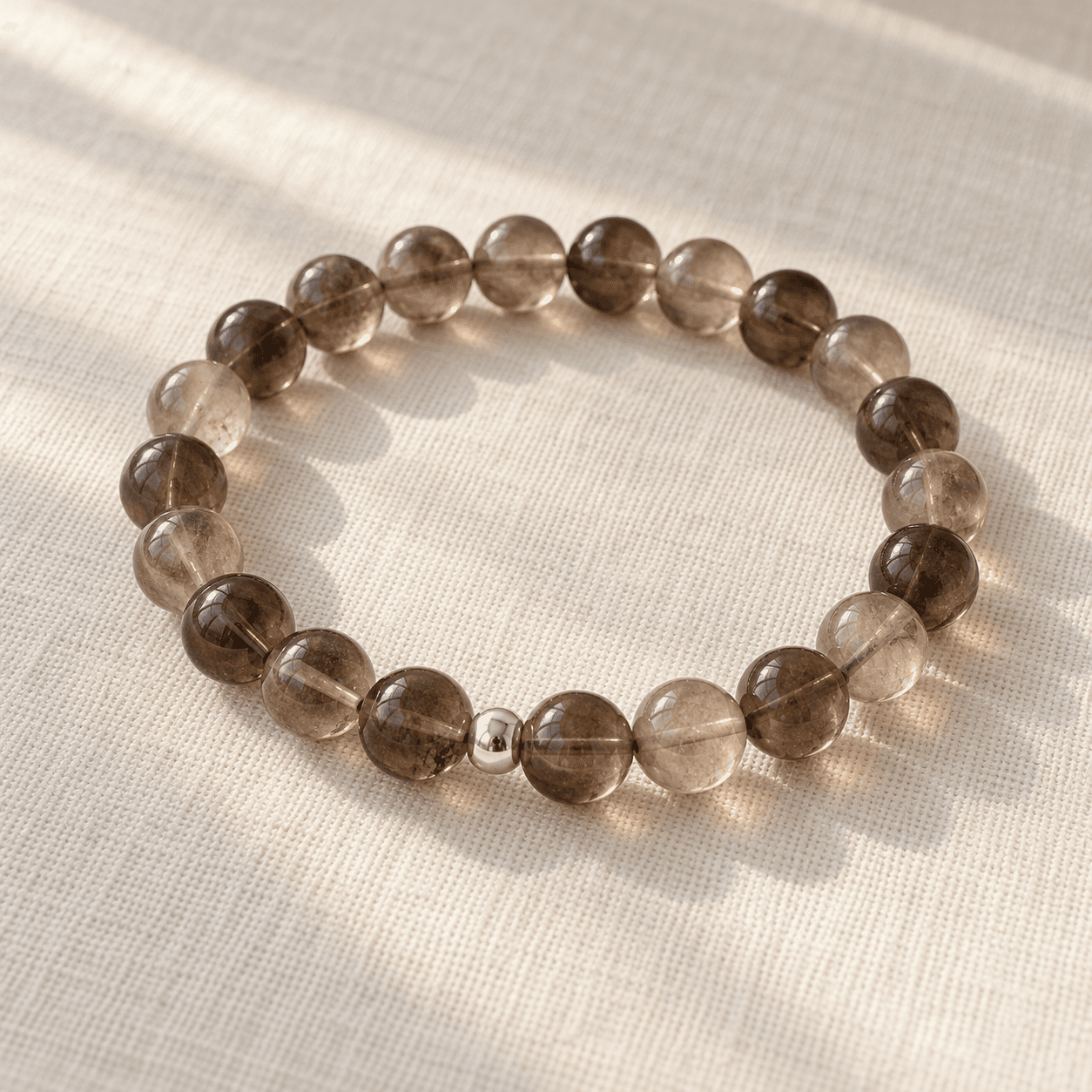
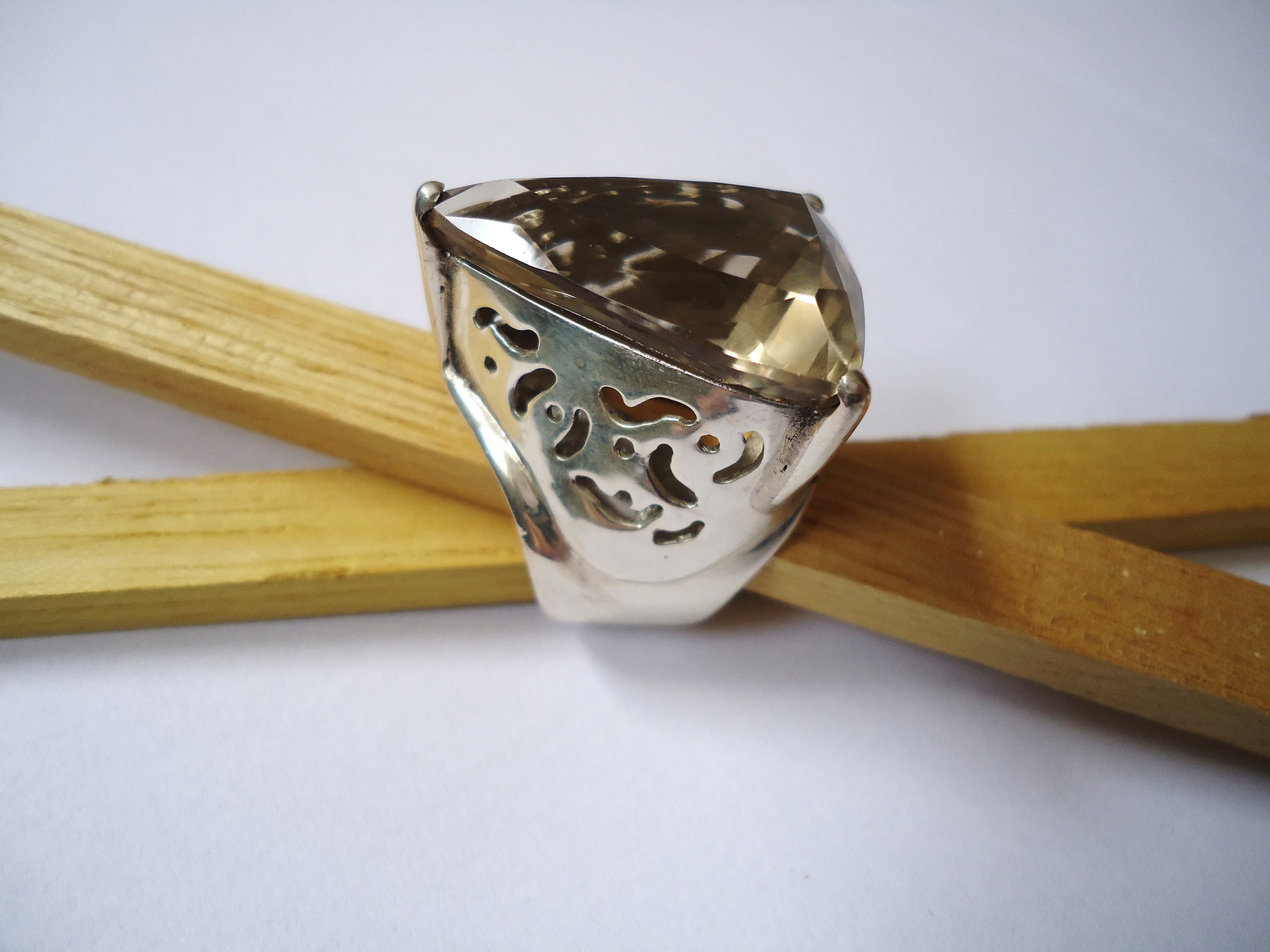
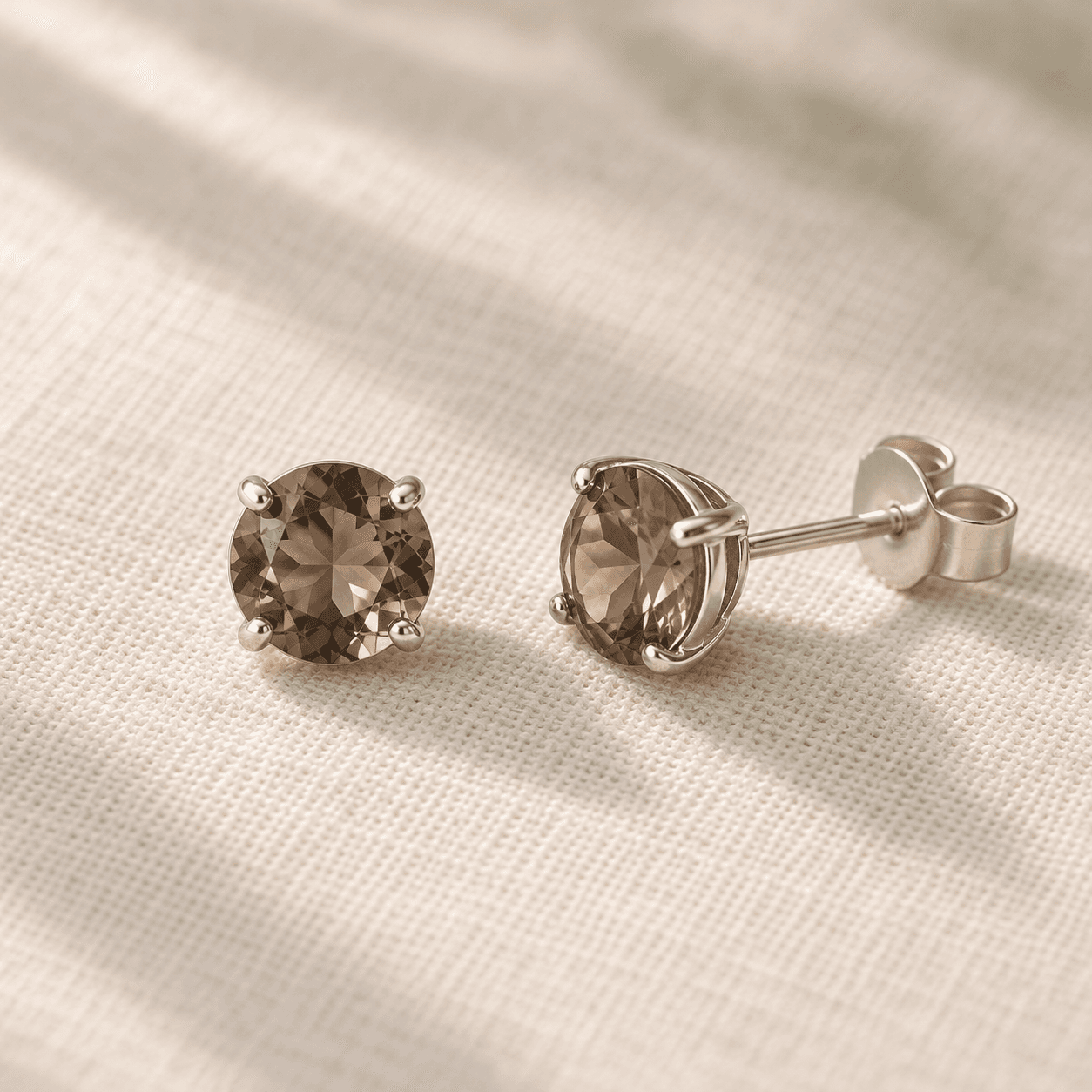
A visual look at smoky quartz and jewelry forms inspired by its palette.
 Style reference
 Reference photograph
 Style referenceReference photograph
Jewelry forms are shown for learning and inspiration. Style references illustrate design possibilities; they do not establish mineral identity or origin. Pictured styles, including earrings, are not promised box contents.
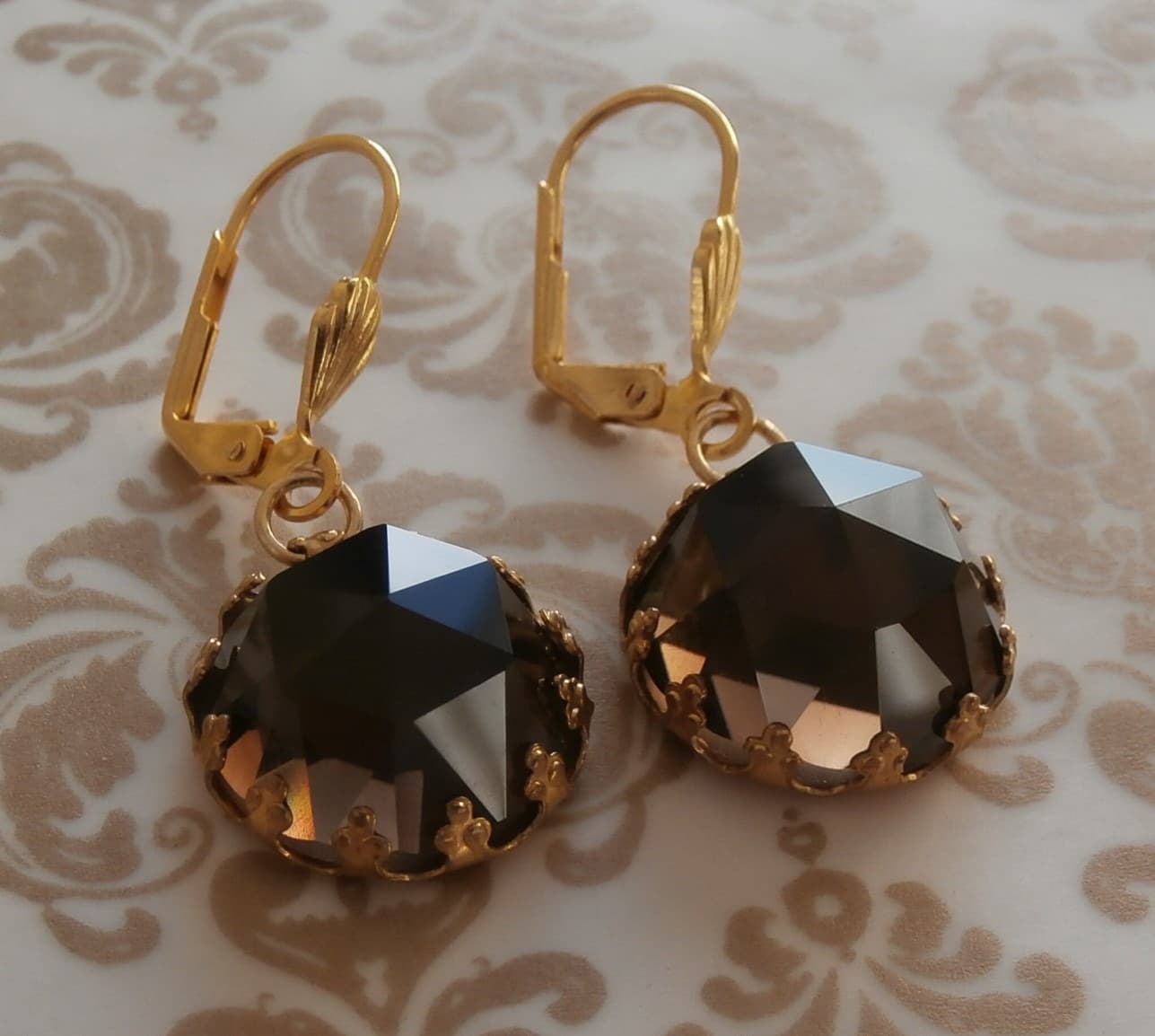
Quartz can be faceted for sparkle or shaped into a smooth cabochon. In jewelry, the setting and any treatments matter as much as the stone when choosing how to care for it.
Smithsonian · Quartz ↗Our approach: practical uses and mineral science. Personal meanings are individual, rather than established health effects.
For rough pieces with an unknown matrix, begin dry. For jewelry, check the stone, treatments and setting before using water or cleaners.
Heat can alter smoky quartz color. Protect delicate points, and avoid sudden temperature changes.
GIA · Durability ↗A soft pouch or padded compartment helps prevent contact scratches and chipped edges. Keep the locality card with the specimen.
Three things work together: hardness is resistance to scratches; toughness is resistance to breaking; stability is resistance to heat, light and chemicals. A hardness number alone cannot tell you how to wear or clean a gem. GIA · Gemstone Durability ↗
On the same shelf
Amethyst and rose quartz belong beside smoky quartz in the directory. Color varieties share a mineral identity. Smithsonian · Quartz varieties ↗
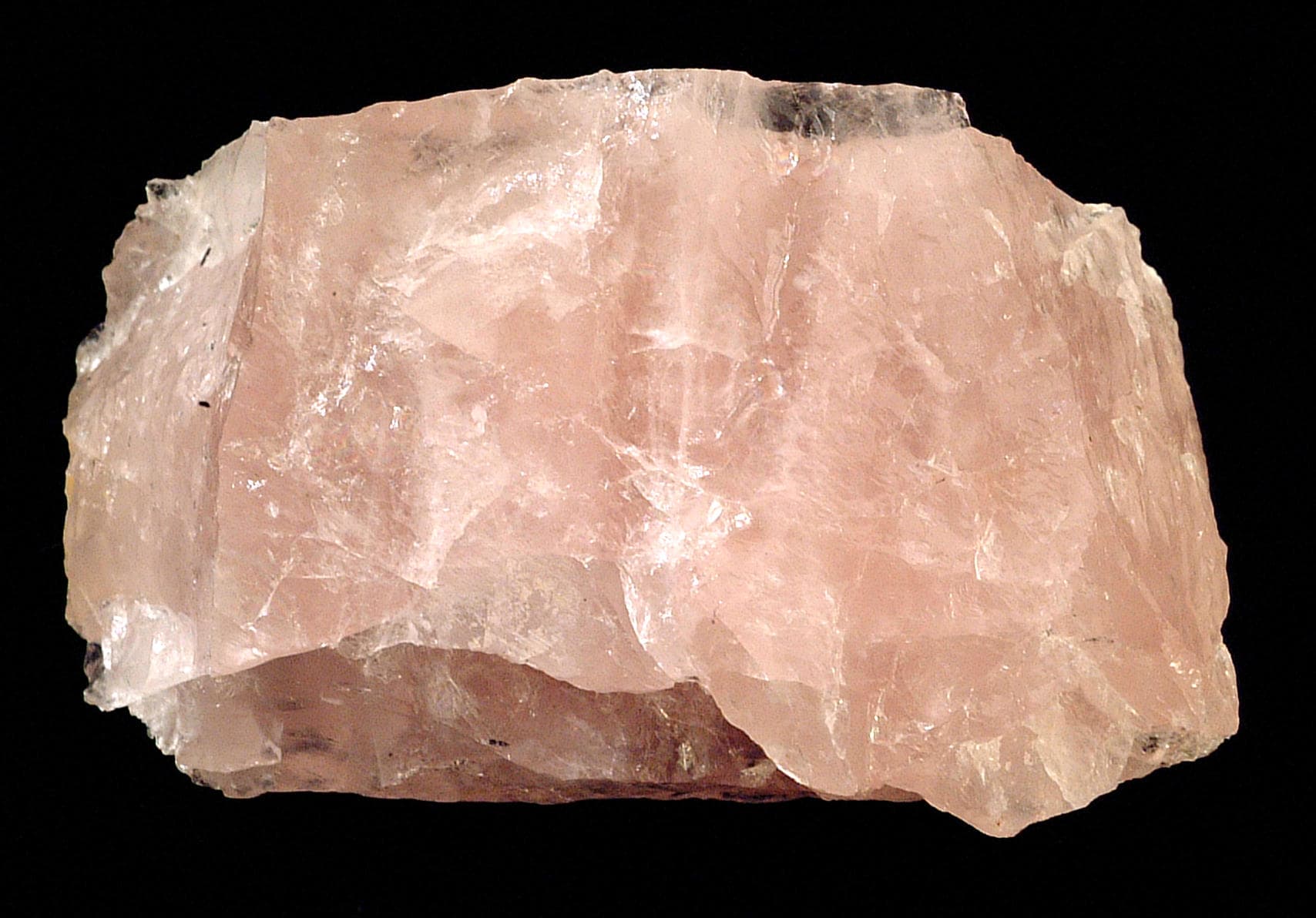
Another way to connect / Crystal culture
Alongside its geological story, smoky quartz can become a personal symbol. Explore healing traditions and chakra language as cultural beliefs and reflection prompts.
Symbolic associations, not established medical effects. Crystals have not been shown to treat illness or balance a measurable human energy field.
Your reflection themes
✧Steadiness, presence and feeling connected to the everyday.
Personal boundaries and symbolic protection; not a physical shield.
Stone Parade editorial pairings for this chapter’s color or featured variety. Interpretations differ among authors and practitioners.
A chakra reading lens
A symbolic focus on steadiness, belonging and the foundations of everyday life.
A contemporary seven-center, color-based reading guide. Chakras belong to South Asian spiritual traditions; these stone pairings are not a universal ancient chart or anatomical structures.
Name one small thing that helps you feel rooted in your day. Keep delicate stones safely on a surface; no water, salt or heating is needed.
In contemporary crystal practice, “healing” and “energy” often describe beliefs about subtle energies, intention and personal experience. Such language is different from measured mineral properties or demonstrated treatment effects. This section offers optional symbolism and does not replace healthcare.
The museum sources document beliefs and objects, not clinical efficacy. In a 2025 controlled study of rose quartz and a matched placebo, anxiety changes did not show a crystal-specific benefit beyond placebo. That study does not test every stone or every practice.
Our tags are transparent editorial reflection pairings, informed by the contemporary color-based approach; these sources do not validate every stone-to-chakra correspondence. Mineral science references remain in the chapter’s own research section.
04 / Keep exploring
Our research shelf: museums, mineralogical organizations, scientific databases and gemology specialists.
Museum collections & the stories behind them
Mineral identities & recorded localities
Official mineral names & nomenclature
Spectra & crystal-structure research
Gemstone resources & supply statistics
Gemology, jewelry & responsible care
Inline links point to the specific references behind this chapter. Mineral properties are also checked against the Mineralogical Society of America’s Handbook of Mineralogy ↗. IMA and RRUFF are further research resources; they are not cited as direct evidence for every statement here. USGS supply statistics describe resource markets and do not establish the rarity or value of an individual stone.
Locality records do not certify the origin of a product. Reference images show different individual objects. Chapter reviewed October 30, 2026.
One of 185 illustrated chapters in the Stone Parade Crystal Guide.
Meet the January collection ↗