Prehnite ↗
Mineral species
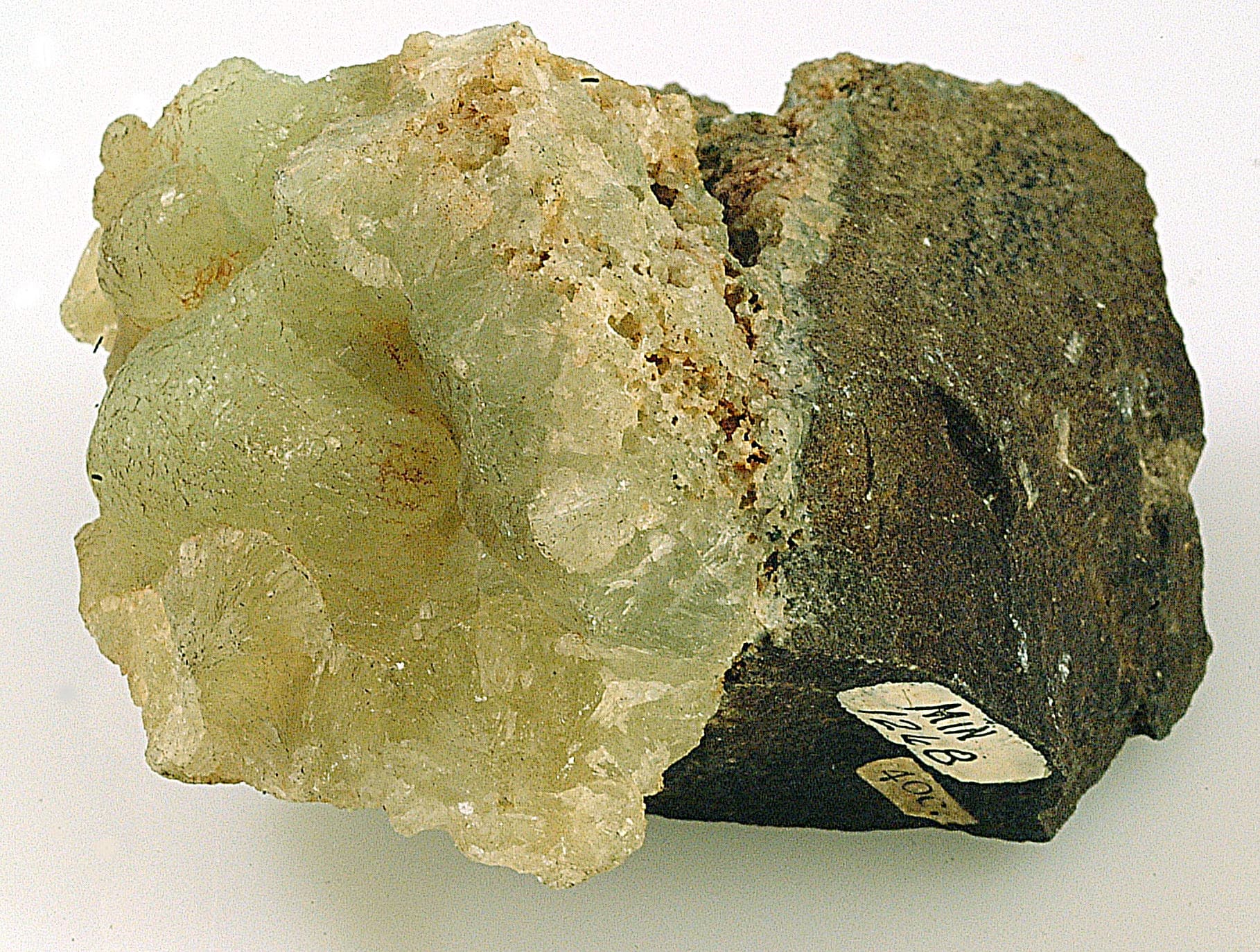
Rounded green surfaces can make prehnite look almost like a small landscape. Its translucent globules contrast beautifully with the darker minerals that sometimes accompany it.
Nessa Eull · CC0 · Display cropEditorial material shelf
An editorial shelf for additional silicate species and gem materials.
Keep each chapter’s scientific identity: a family, species, variety, trade label, rock and fossil are different kinds of names.
Mineral species
Rounded green surfaces can make prehnite look almost like a small landscape. Its translucent globules contrast beautifully with the darker minerals that sometimes accompany it.
Nessa Eull · CC0 · Display crop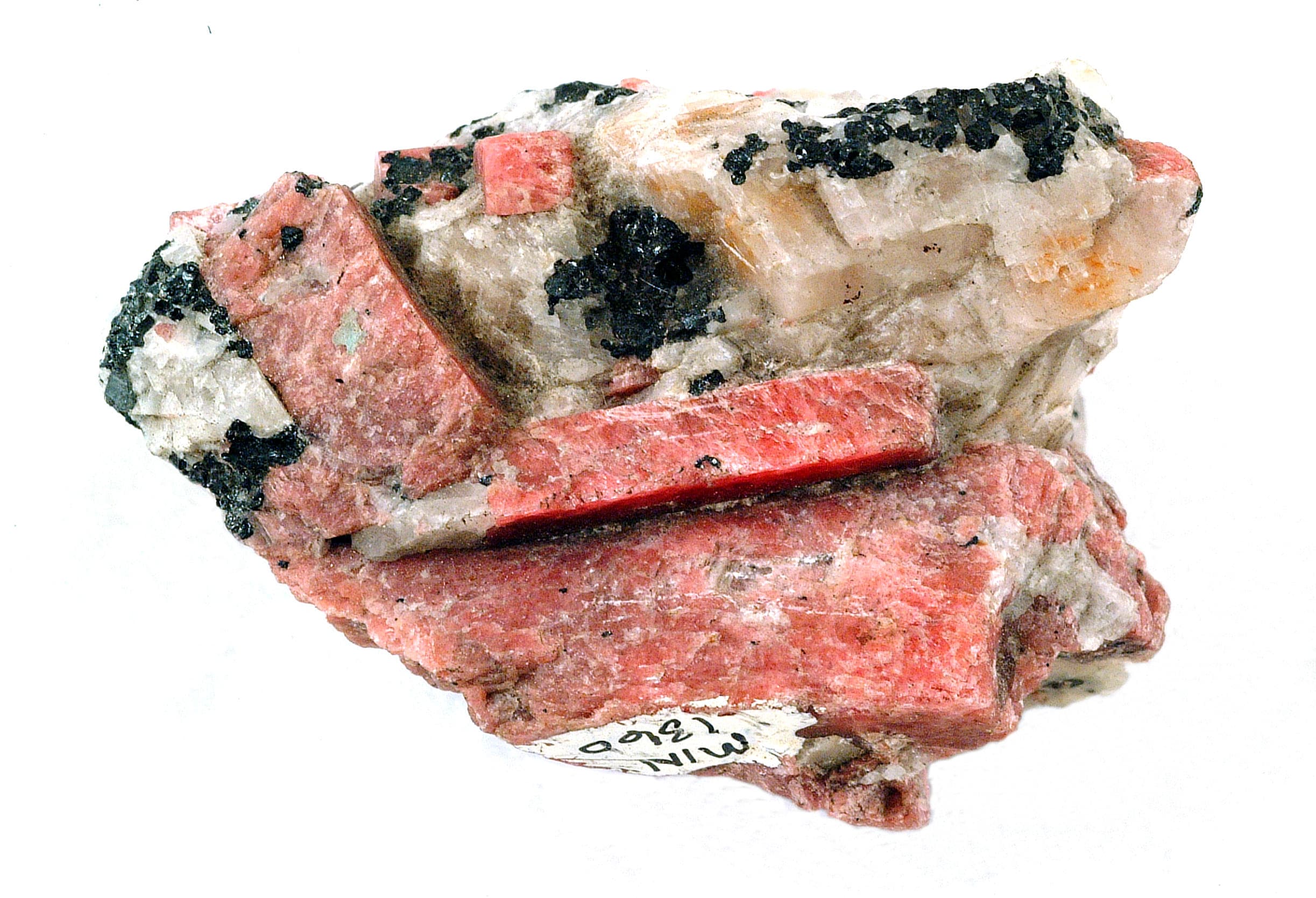
Mineral species
Rhodonite pairs warm pink mineral areas with darker material in many familiar polished pieces. A rough specimen may reveal a more complicated mixture than the neat pattern on a bead.
Shannon Heinle · CC0 · Display crop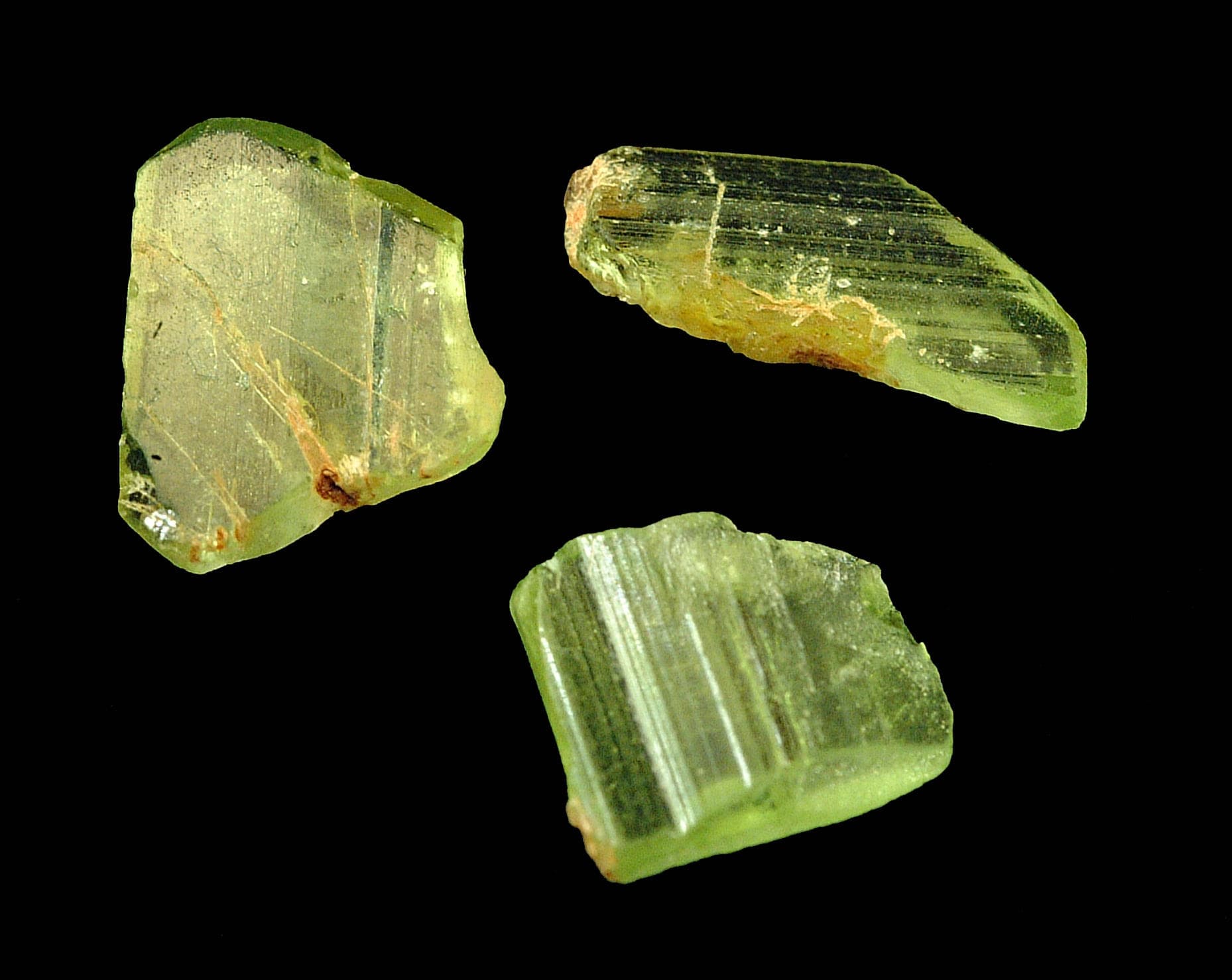
Mineral variety
Peridot is the gem name for green olivine. Its yellow-green palette feels especially bright in small faceted stones, while rough material reveals a less finished geological character.
Darla Sondrol · CC0 · Display crop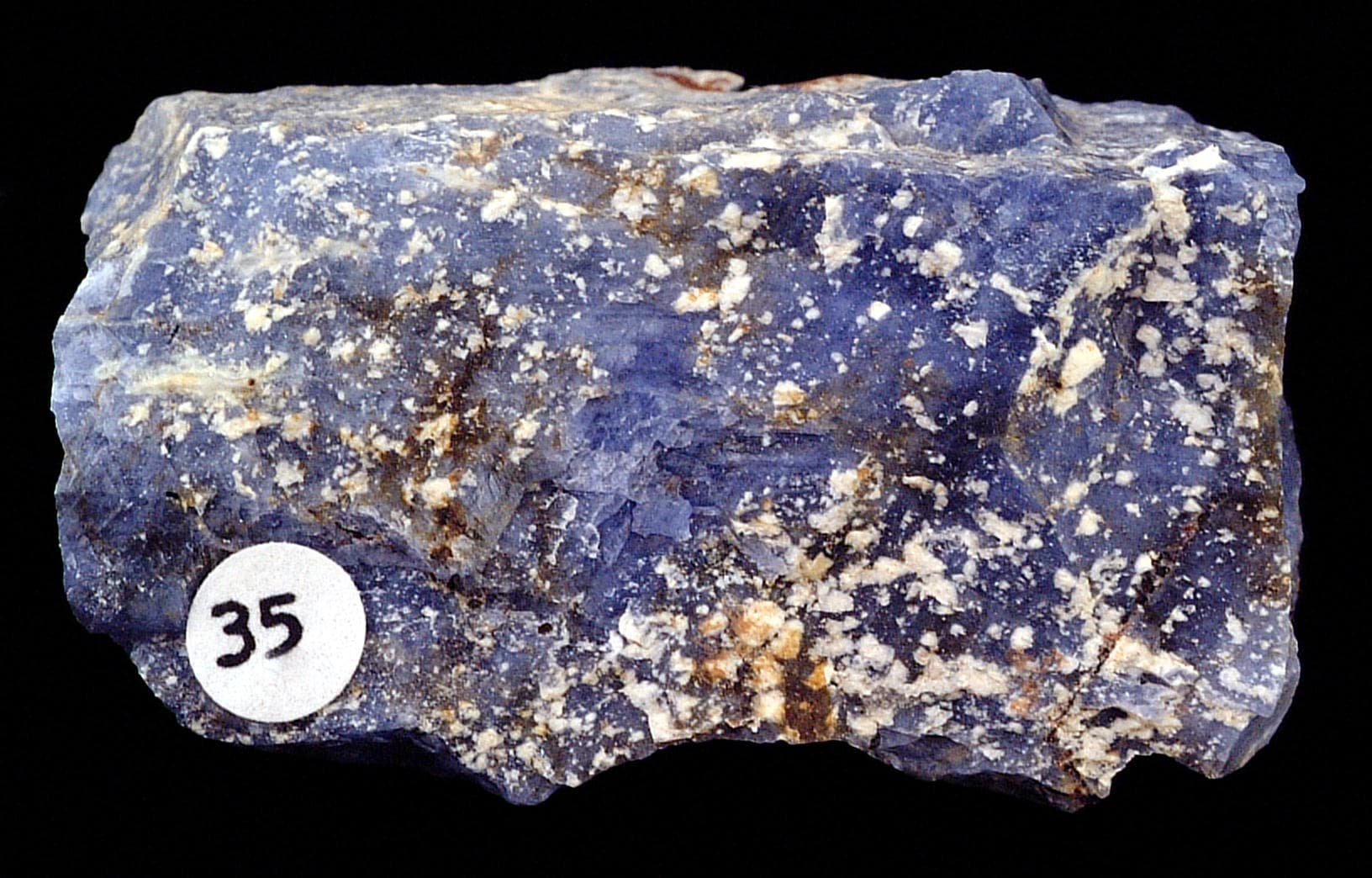
Mineral species
Sodalite is familiar in blue-and-white polished pieces. The white areas and the surrounding host material make each cabochon or bead a different small composition.
Darla Sondrol · CC0 · Display crop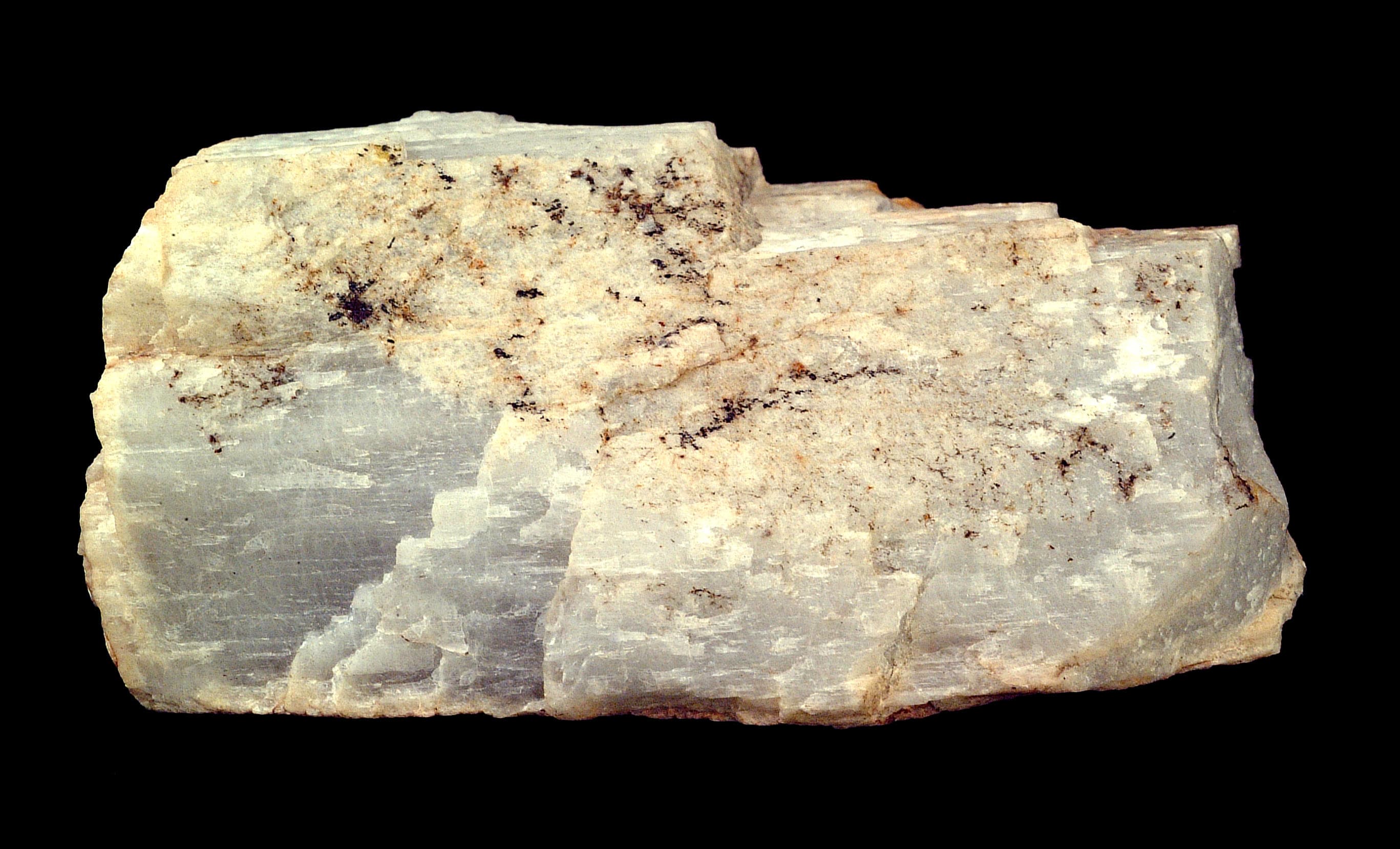
Mineral variety
Kunzite is pink to violet spodumene. Its delicate color can make an airy cut gem, while its crystal structure asks for more care than scratch hardness alone suggests.
Shannon Heinle · CC0 · Display crop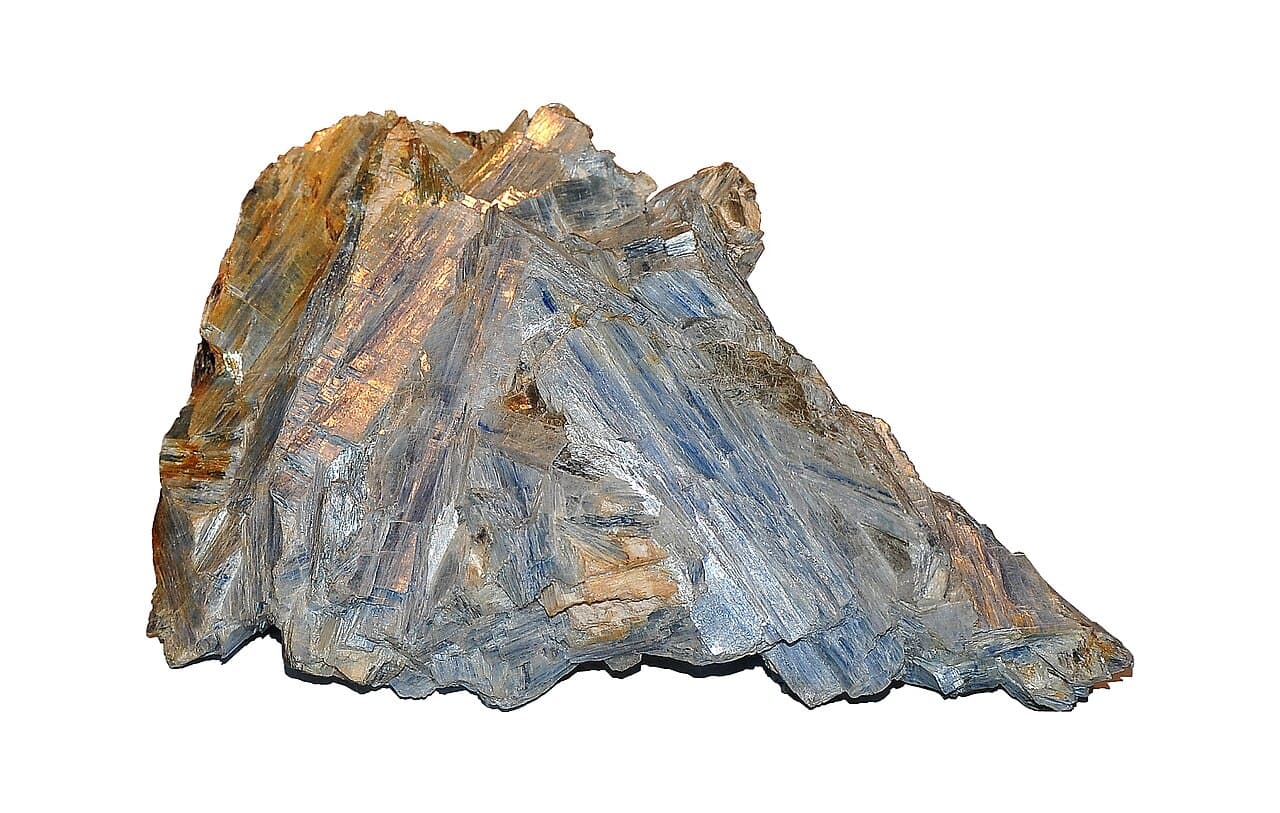
Mineral species
Kyanite often grows as elongated, blade-like crystals. Pale and stronger blue regions can share one piece, giving rough specimens a visibly directional character.
The High Fin Sperm Whale · CC BY-SA 3.0 · Display crop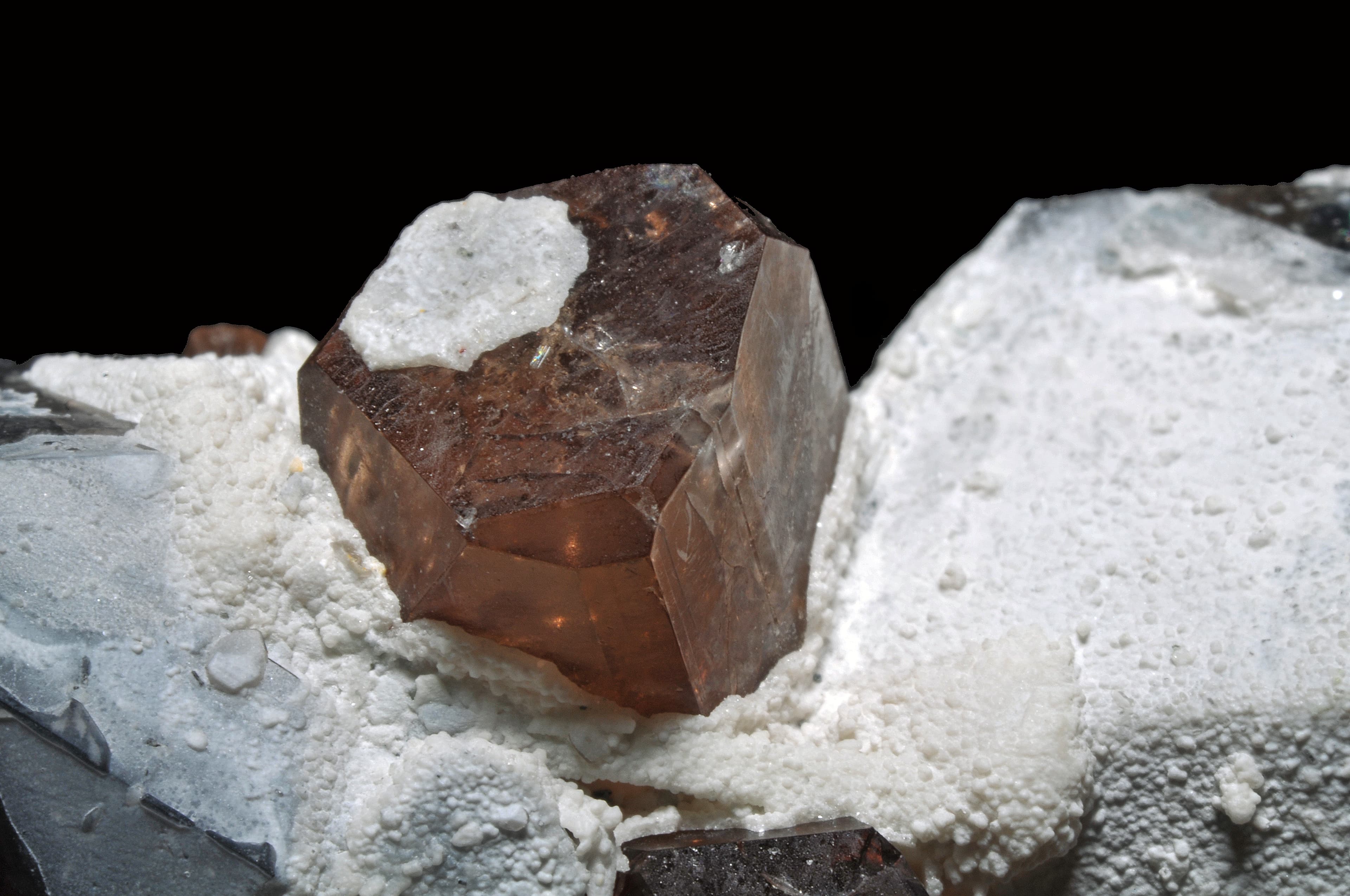
Mineral species
Topaz combines bright transparency with colors ranging from colorless to yellow, pink and blue. Its relatively high scratch hardness can hide a structural weakness: a strong cleavage direction.
Parent Géry · CC BY-SA 3.0 · Display crop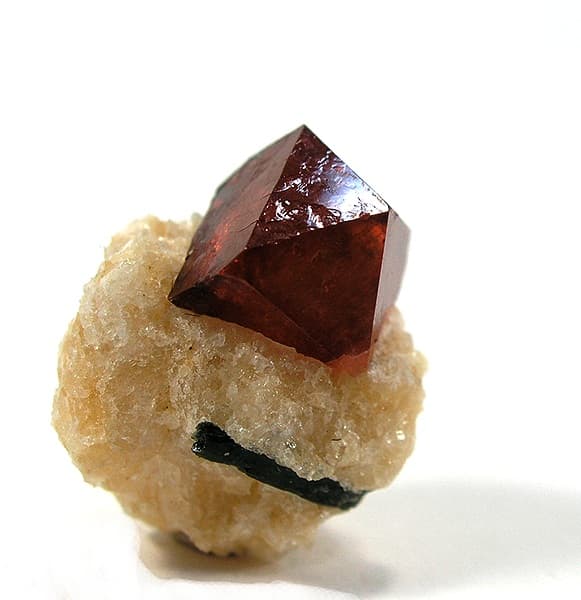
Mineral species
Natural zircon can be brown, blue, colorless and other colors, with lively reflections in a cut gem. Its name deserves particular care because it is often confused with a manufactured diamond simulant.
Robert M. Lavinsky · CC BY-SA 3.0 · Display crop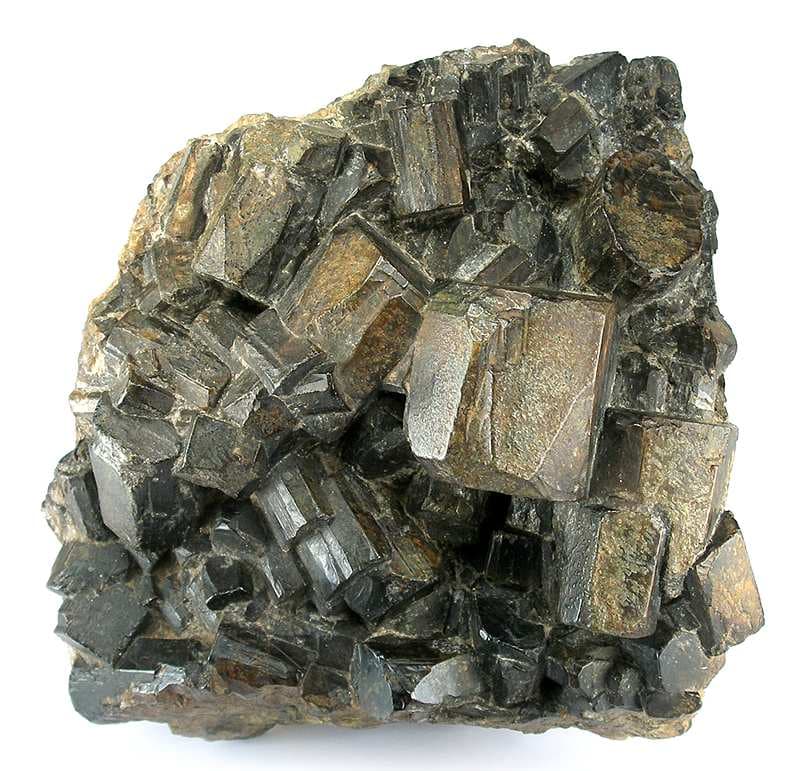
Mineral variety
Iolite is transparent gem cordierite, usually encountered in blue-violet tones. Changing the viewing direction can reveal markedly different colors, making orientation an important part of cutting.
Robert M. Lavinsky · CC BY-SA 3.0 · Display crop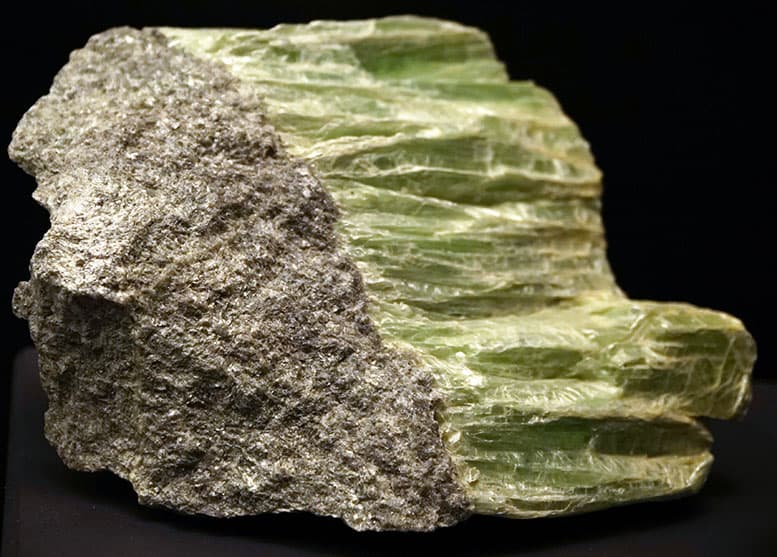
Mineral group / trade name
Serpentine is a family name associated with magnesium-rich silicate minerals and green decorative materials. The familiar smooth green stone may be an aggregate rather than a single crystal.
Tiia Monto · CC BY-SA 3.0 · Display crop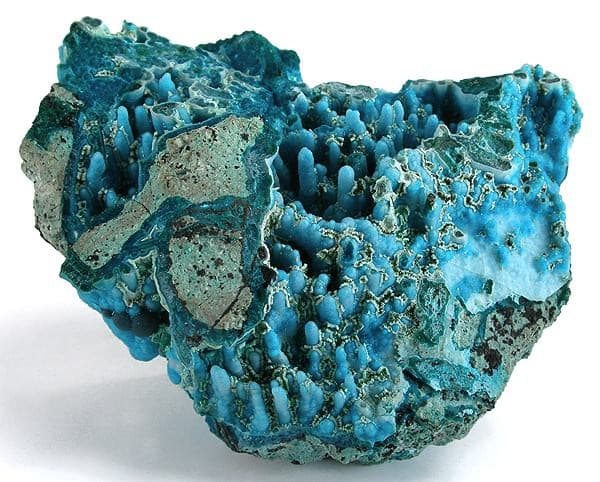
Gem material
Chrysocolla-rich material is loved for blue and green areas associated with copper deposits. It may appear earthy and fragile in rough, or much more solid when mixed with silica in a polished piece.
Robert M. Lavinsky · CC BY-SA 3.0 · Display crop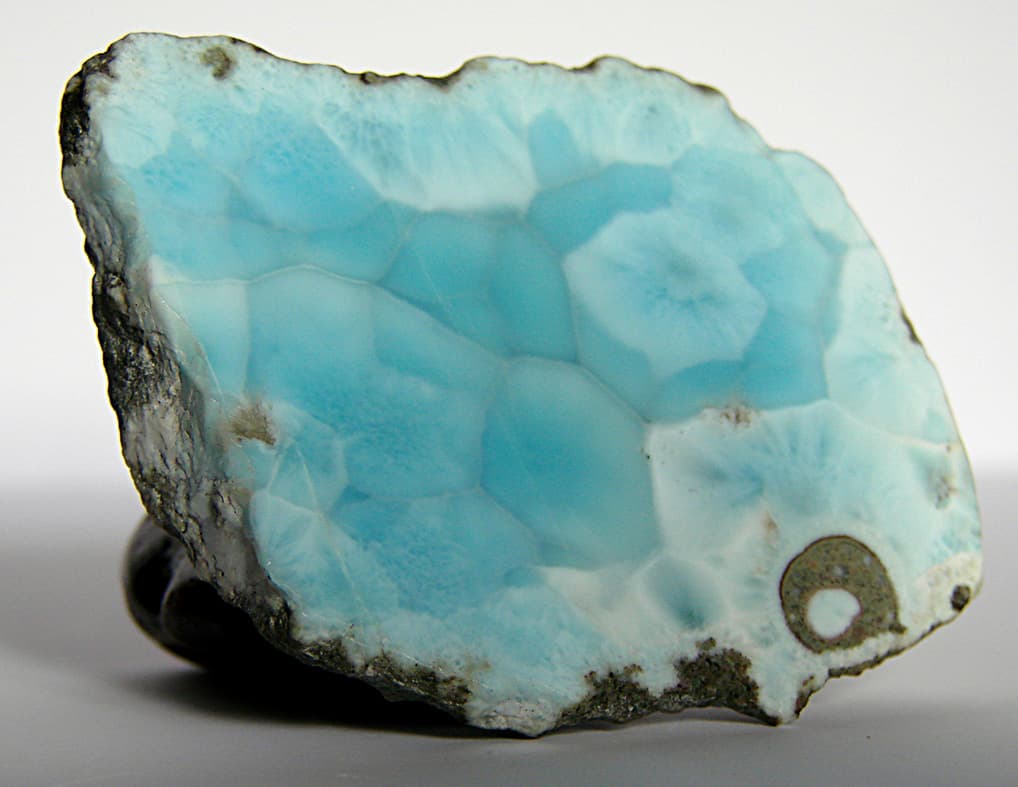
Mineral variety
Larimar is the blue gem variety of pectolite associated with the Dominican Republic. Pale blue and white swirls make cabochons and beads especially recognizable as a design language.
No machine-readable author provided. Vassil assumed (based on copyright claims). · Public domain · Display crop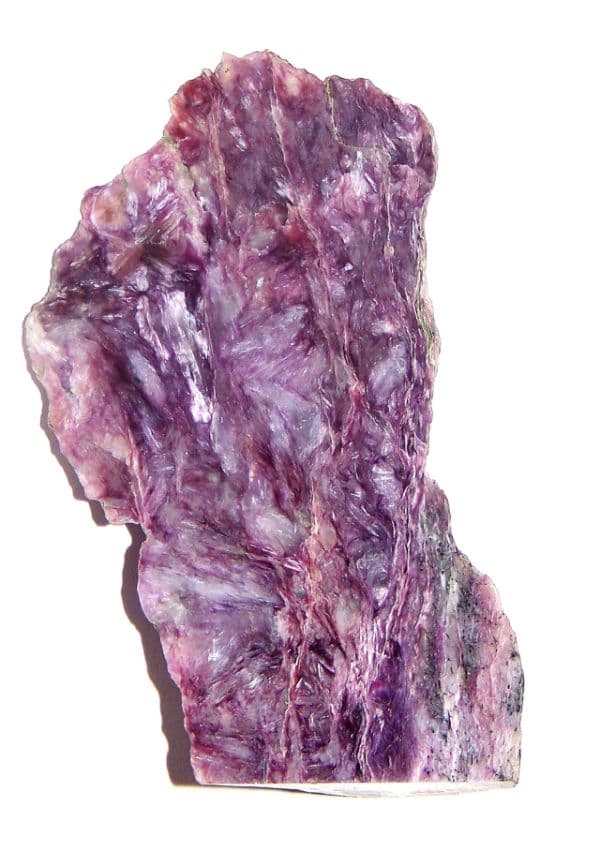
Mineral species
Charoite’s lilac-to-purple fibrous texture can look like flowing brushwork in a polished surface. Dark or pale companion minerals can make a piece visibly more complex than a single purple color field.
Piotr Sosnowski · CC BY 3.0 · Display crop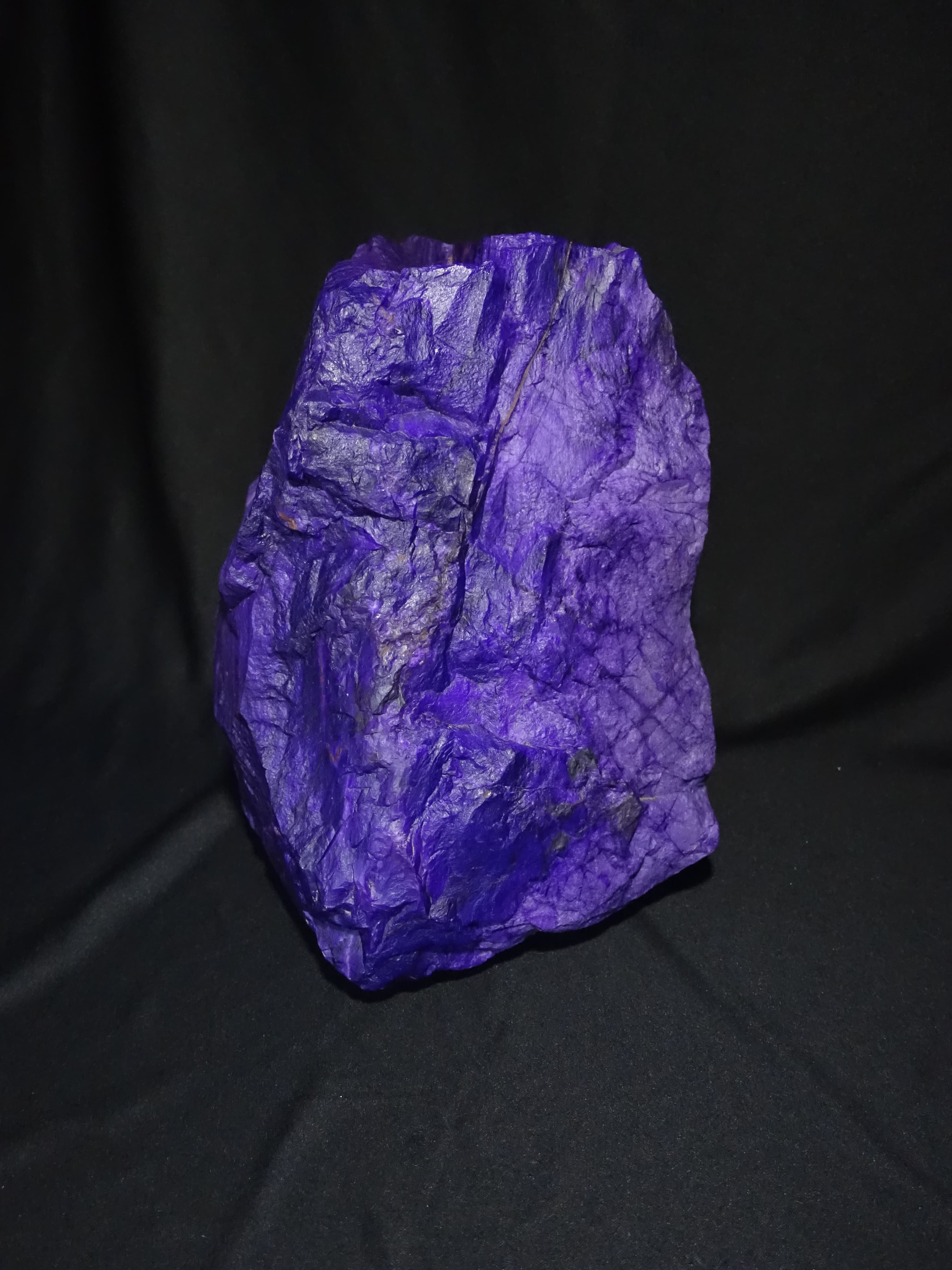
Mineral species
Sugilite is familiar as a purple gem material, sometimes with darker patches or mixed surrounding minerals. Color ranges and varying texture make rough and polished pieces worth comparing.
RDCnet · CC BY-SA 4.0 · Display crop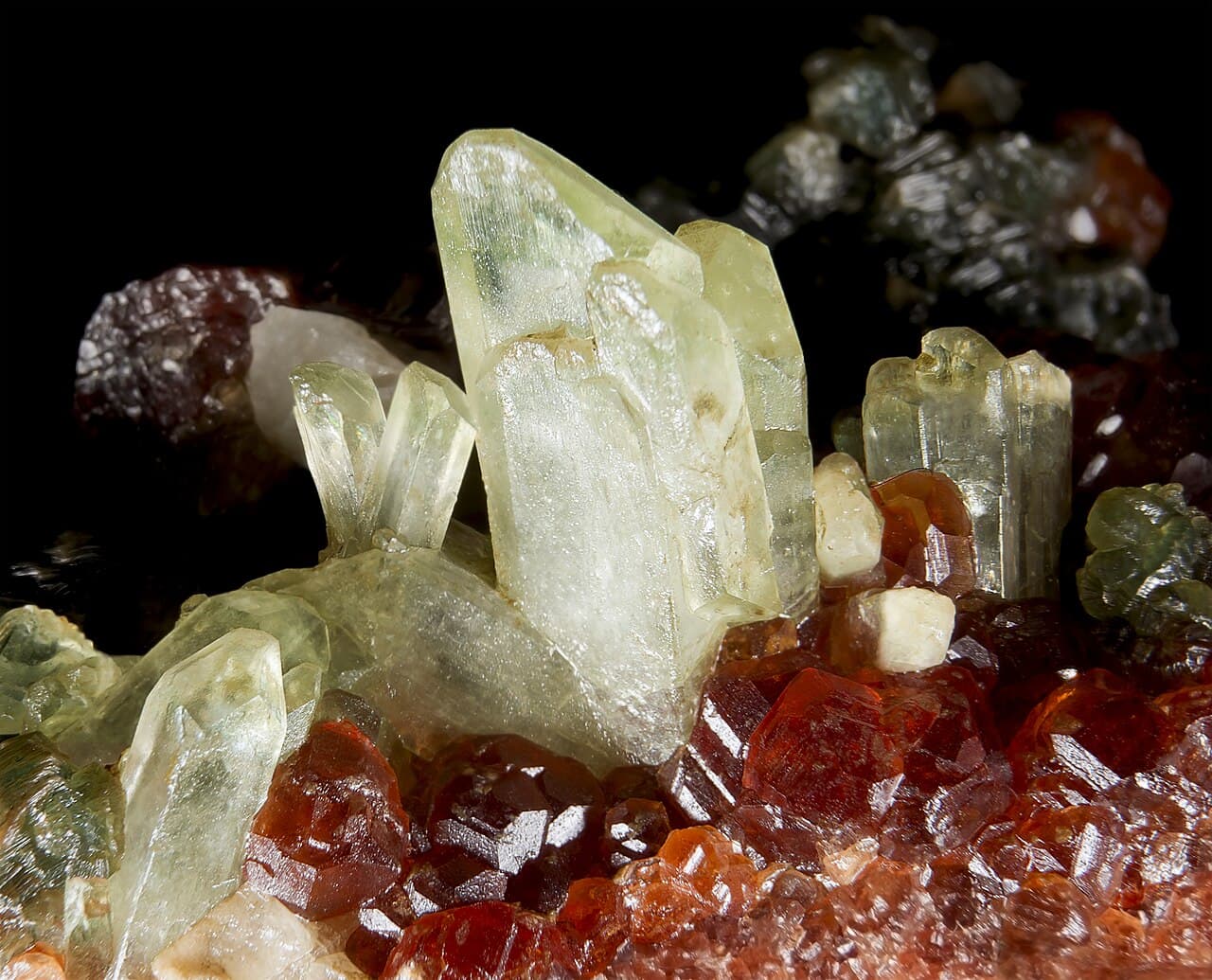
Mineral species
Diopside is a pyroxene mineral that can occur in several colors. Transparent green material, often called chrome diopside, brings a lively forest-green appearance to small cut gems.
Didier Descouens · CC BY-SA 3.0 · Display crop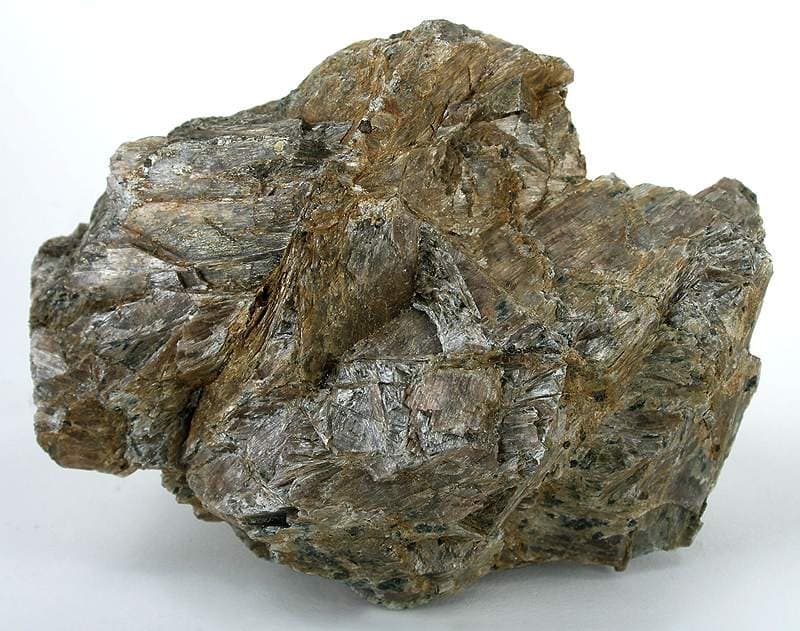
Mineral species
Enstatite is a magnesium-rich pyroxene, often seen in brown, gray or greenish tones. Bronze-looking material can have a subtle reflective texture rather than the bright metallic finish of pyrite.
Robert M. Lavinsky · CC BY-SA 3.0 · Display crop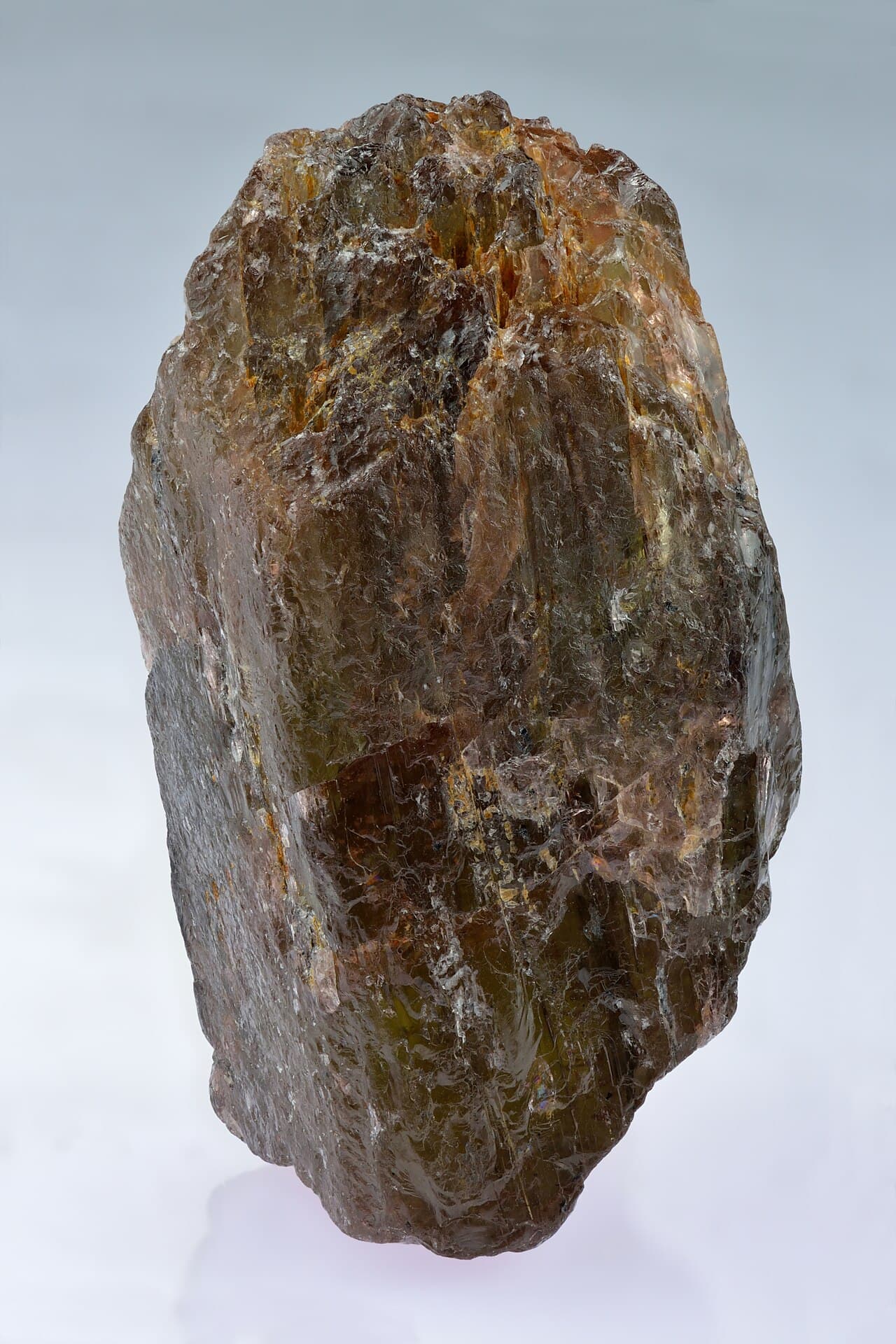
Mineral species
Andalusite can show different colors in different directions. Its included variety chiastolite is also familiar for a cross-shaped dark pattern revealed by a suitable cut.
Ivar Leidus · CC BY-SA 4.0 · Display crop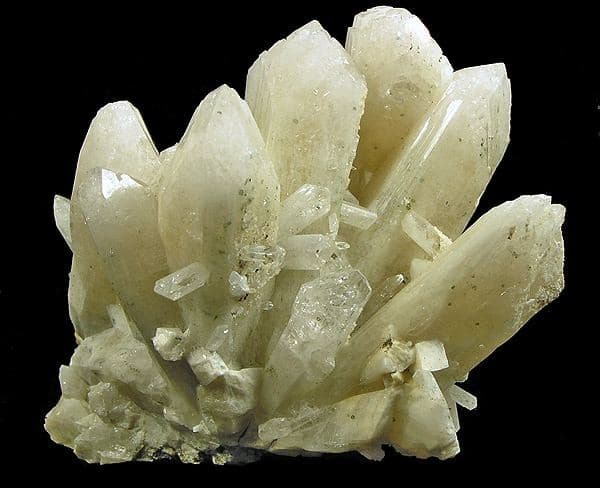
Mineral species
Danburite can be colorless or lightly colored, with transparent crystals that may initially remind a new collector of quartz or topaz. Its own chemistry and structure give it a separate identity.
Robert M. Lavinsky · CC BY-SA 3.0 · Display crop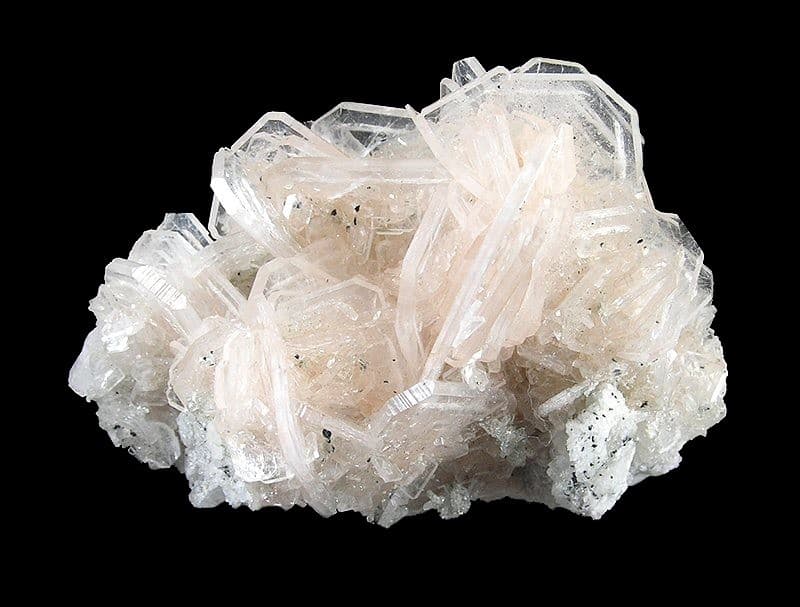
Mineral group / trade name
Apophyllite-group crystals can be colorless, white or pale green, often with bright flat faces. Their clean geometry makes collector specimens especially inviting to observe.
Robert M. Lavinsky · CC BY-SA 3.0 · Display crop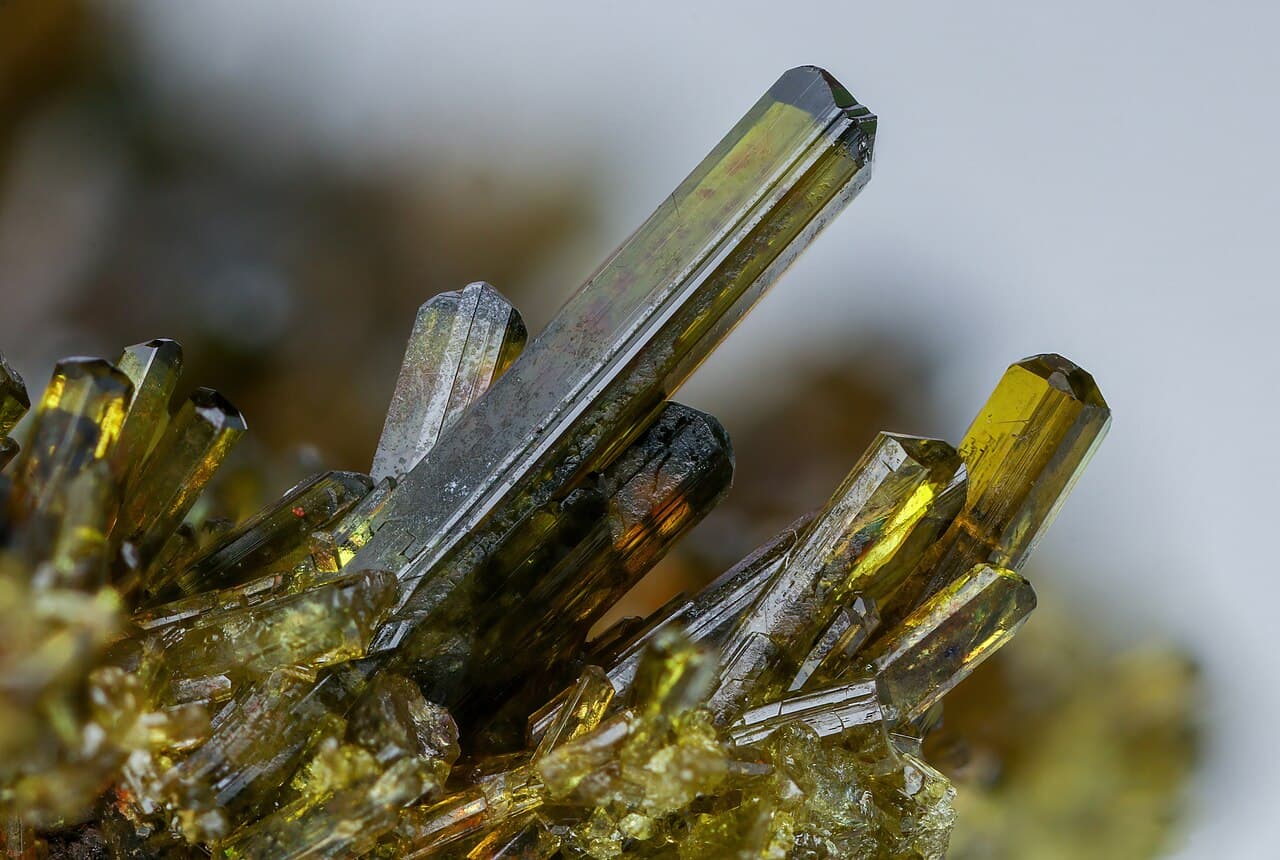
Mineral species
Epidote often appears as yellow-green to dark green crystals or granular material. A specimen can show prismatic growth and companion minerals that disappear in a polished bead.
Gleb Korovko · CC BY 4.0 · Display crop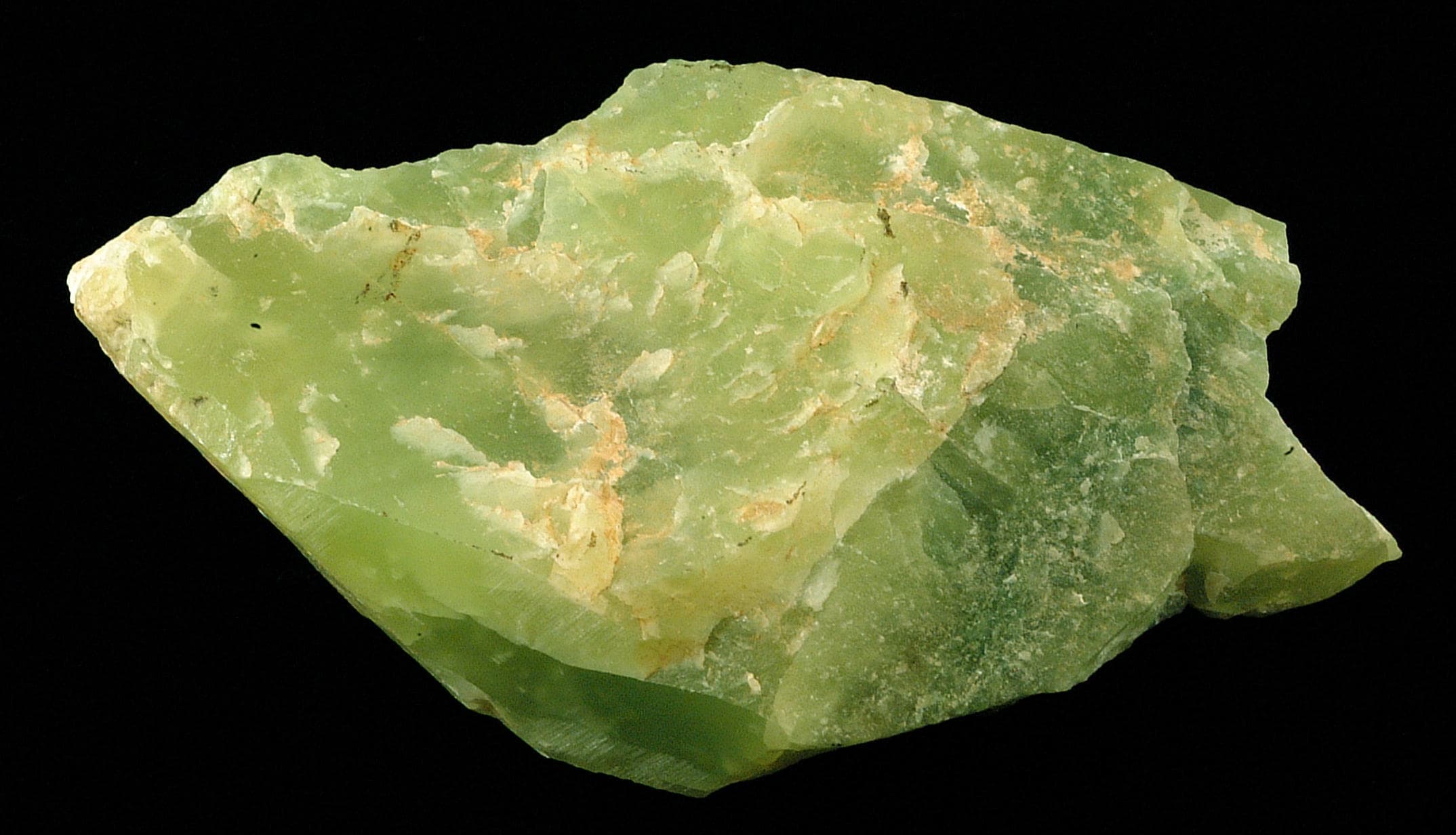
Mineral species
Vesuvianite can form attractive prismatic crystals and compact gem material. Green is familiar, but it is not the only color in the species.
Shannon Heinle · CC0 1.0 · Display crop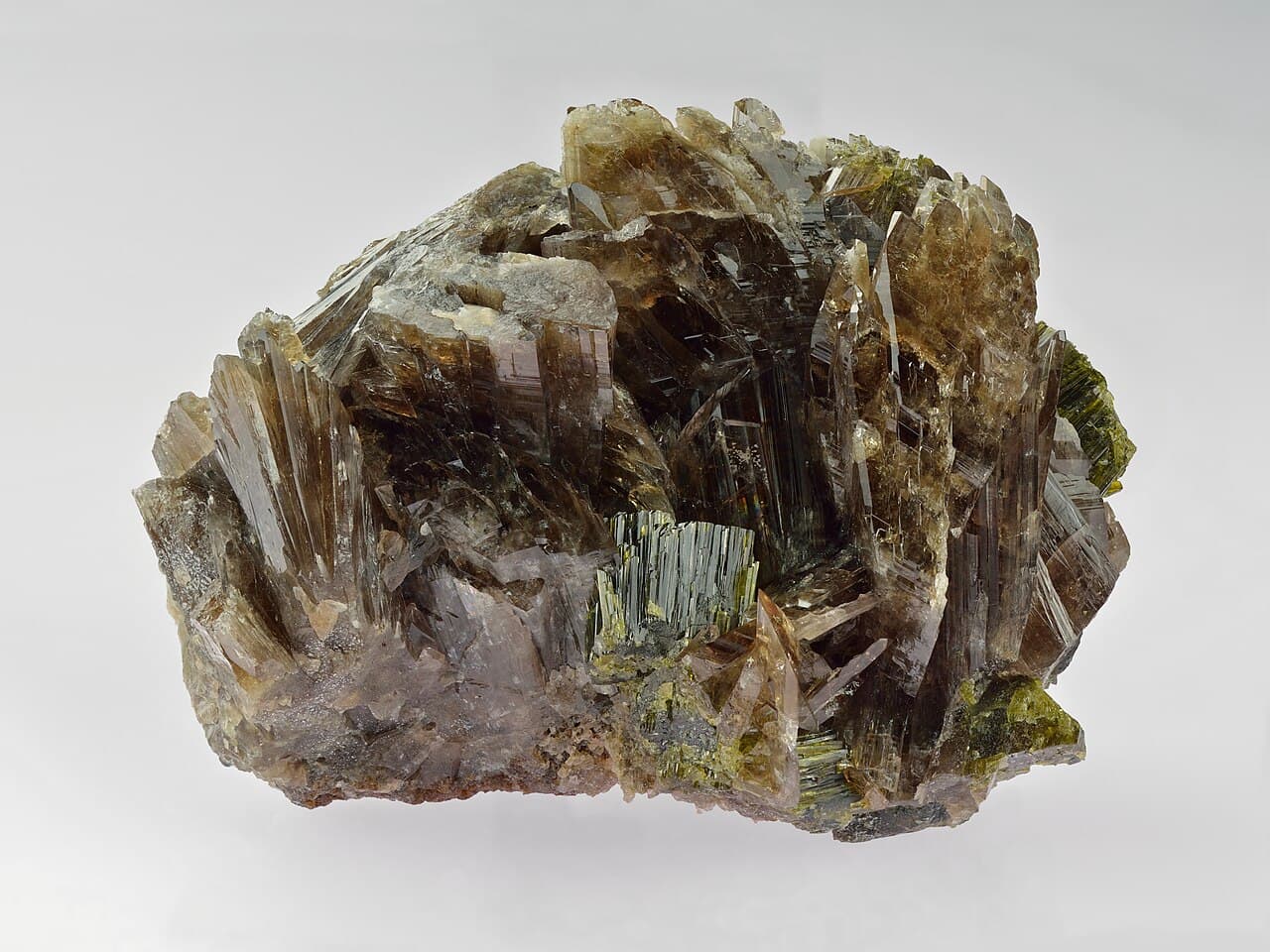
Mineral group / trade name
Axinite-group minerals are often brown to violet-brown with sharp, flattened crystal habits. A small specimen can be more informative than a polished surface.
Ivar Leidus · CC BY-SA 4.0 · Display crop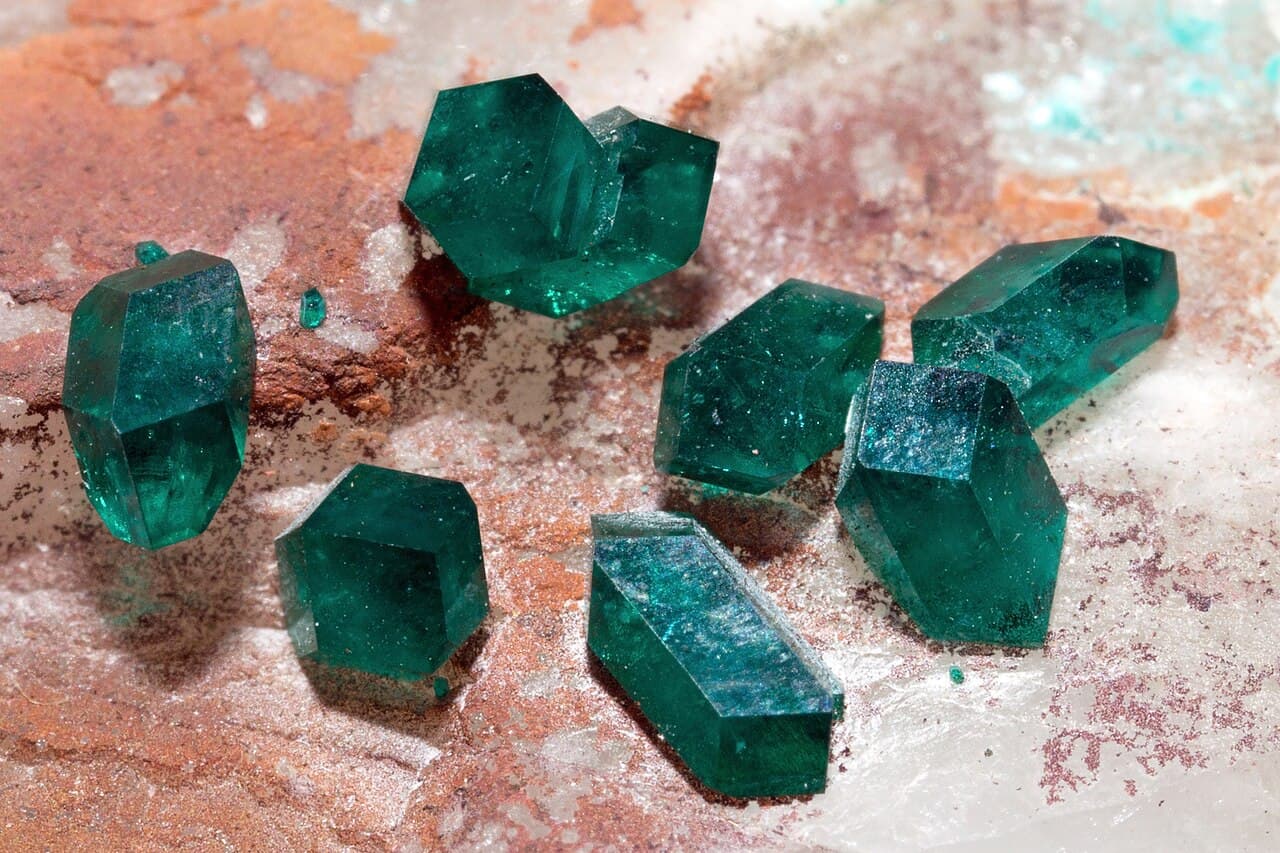
Mineral species
Dioptase forms strongly colored green crystals, often in small groups on a host rock. Its glassy reflections can make a modest-sized specimen especially striking.
Géry PARENT · CC BY-SA 4.0 · Display crop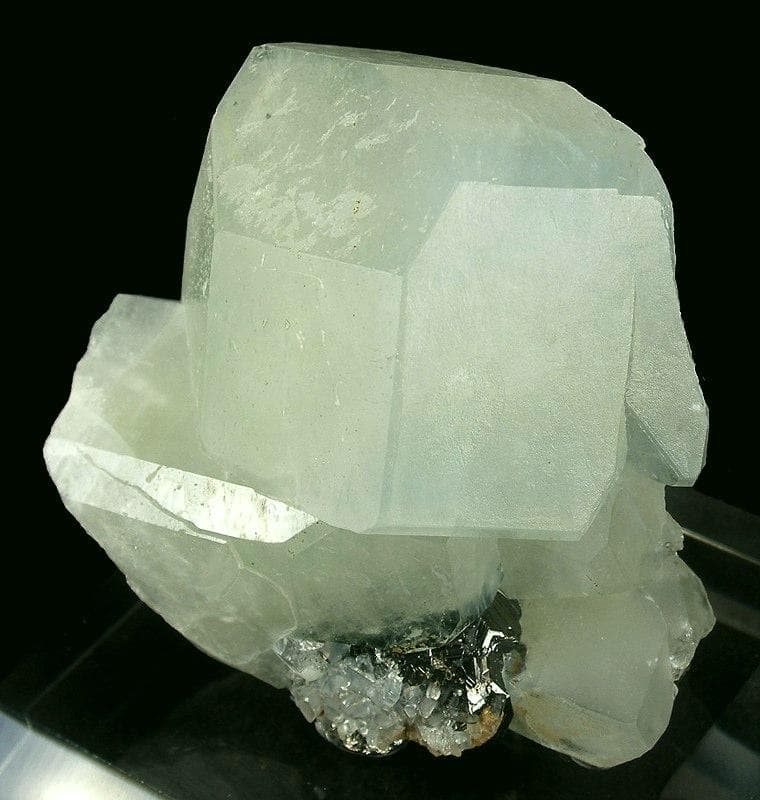
Mineral species
Datolite can be colorless, white or pale green, with glassy crystal surfaces or more compact forms. It rewards comparison with other light-colored cavity minerals.
Robert M. Lavinsky · CC BY-SA 3.0 · Display crop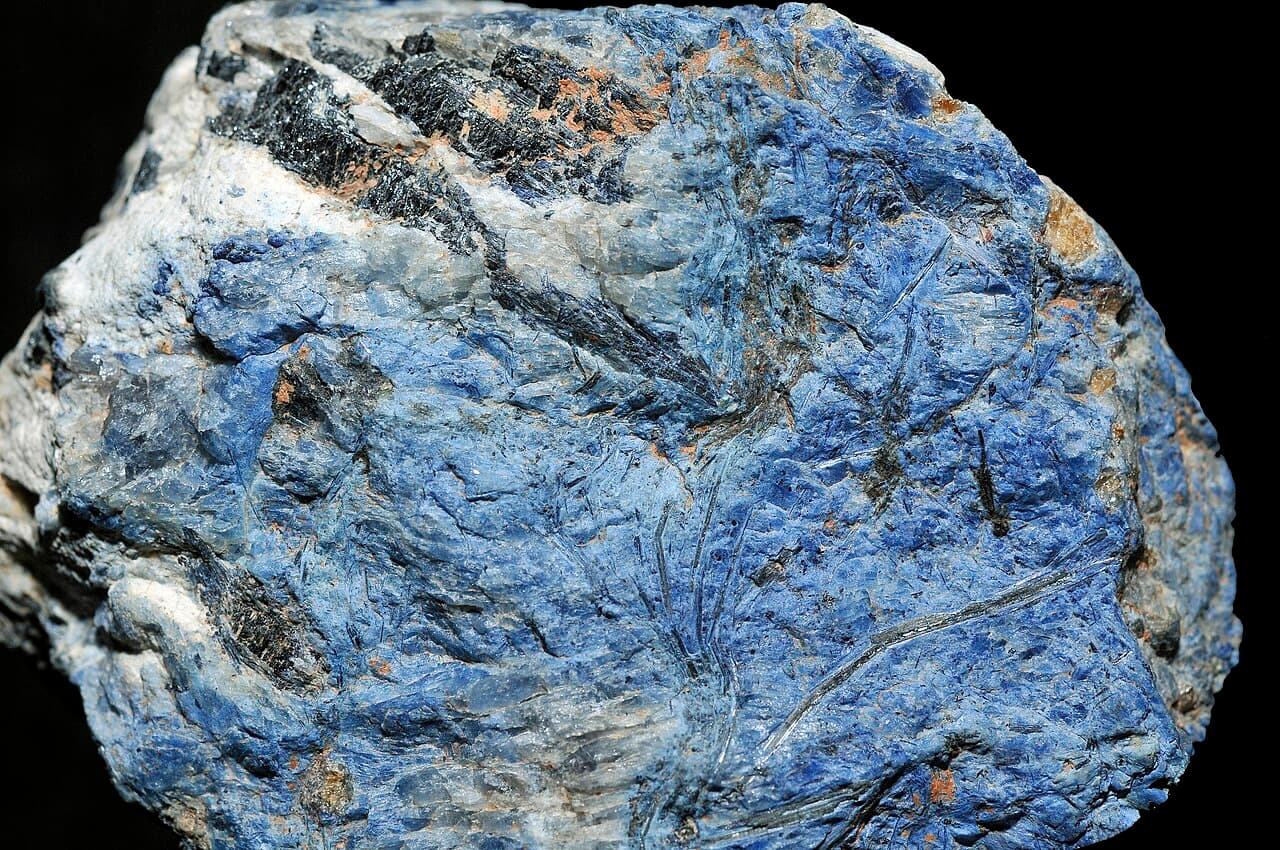
Mineral species
Dumortierite is a boron-bearing aluminum silicate. Much blue material sold for beads is dumortierite-bearing quartz rather than a uniform mass of pure dumortierite.
Géry PARENT · CC BY-SA 3.0 · Display crop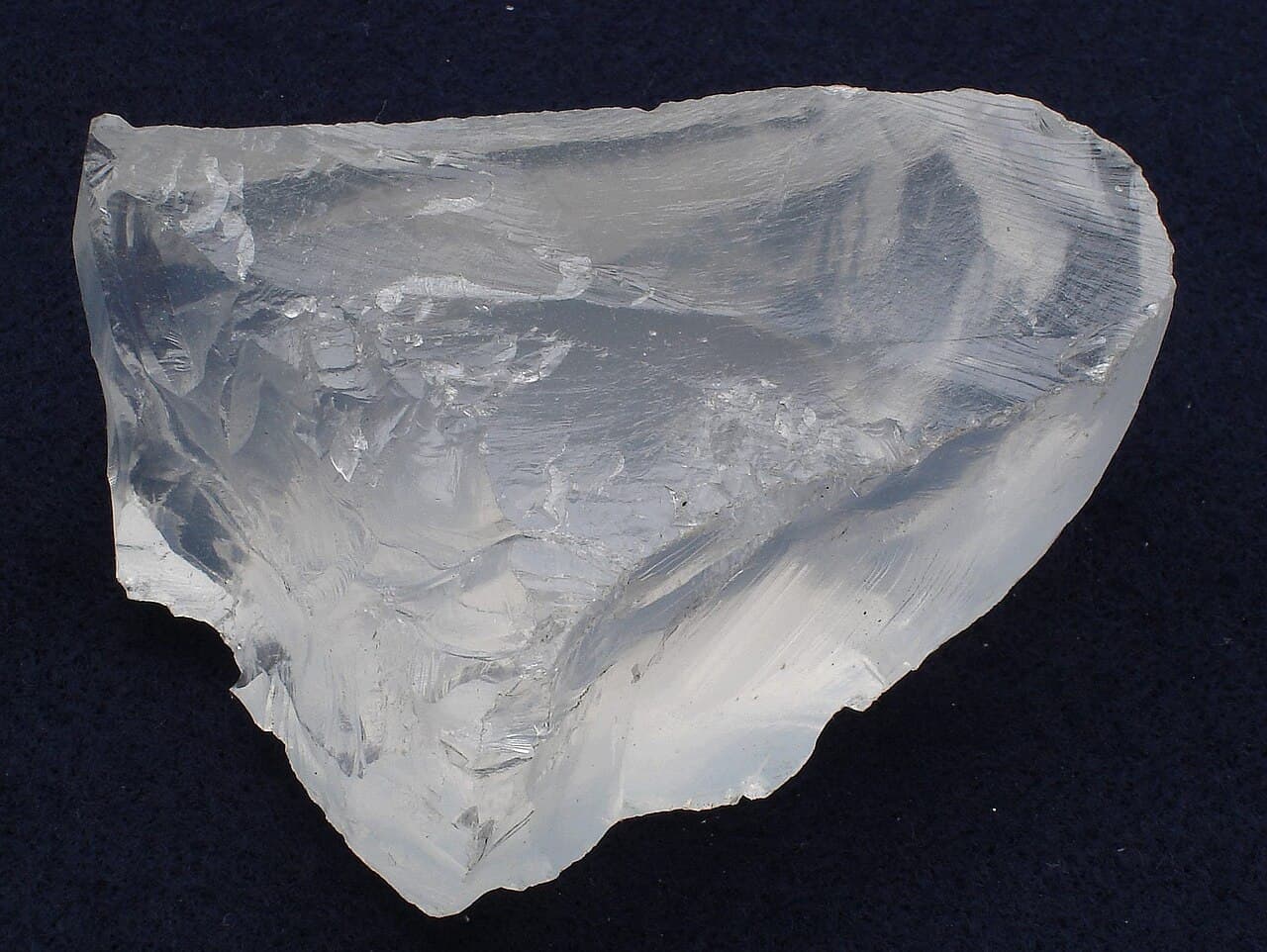
Mineral species
Petalite can be colorless or pale pink, with transparent areas suitable for carefully cut gems. It also has a wider geological role as a lithium-bearing mineral.
Eurico Zimbres · CC BY-SA 2.5 · Display crop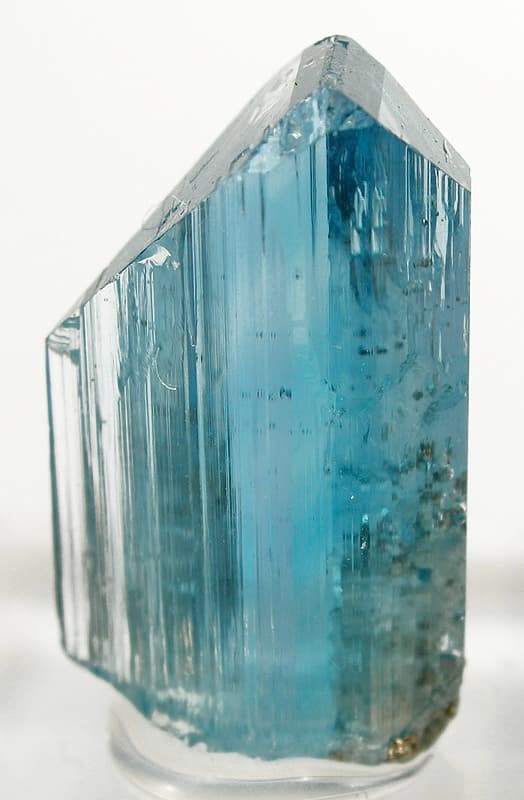
Mineral species
Euclase can be colorless, blue or greenish and sometimes forms transparent collector crystals. Its beauty asks for care because it cleaves readily in one direction.
Robert M. Lavinsky · CC BY-SA 3.0 · Display crop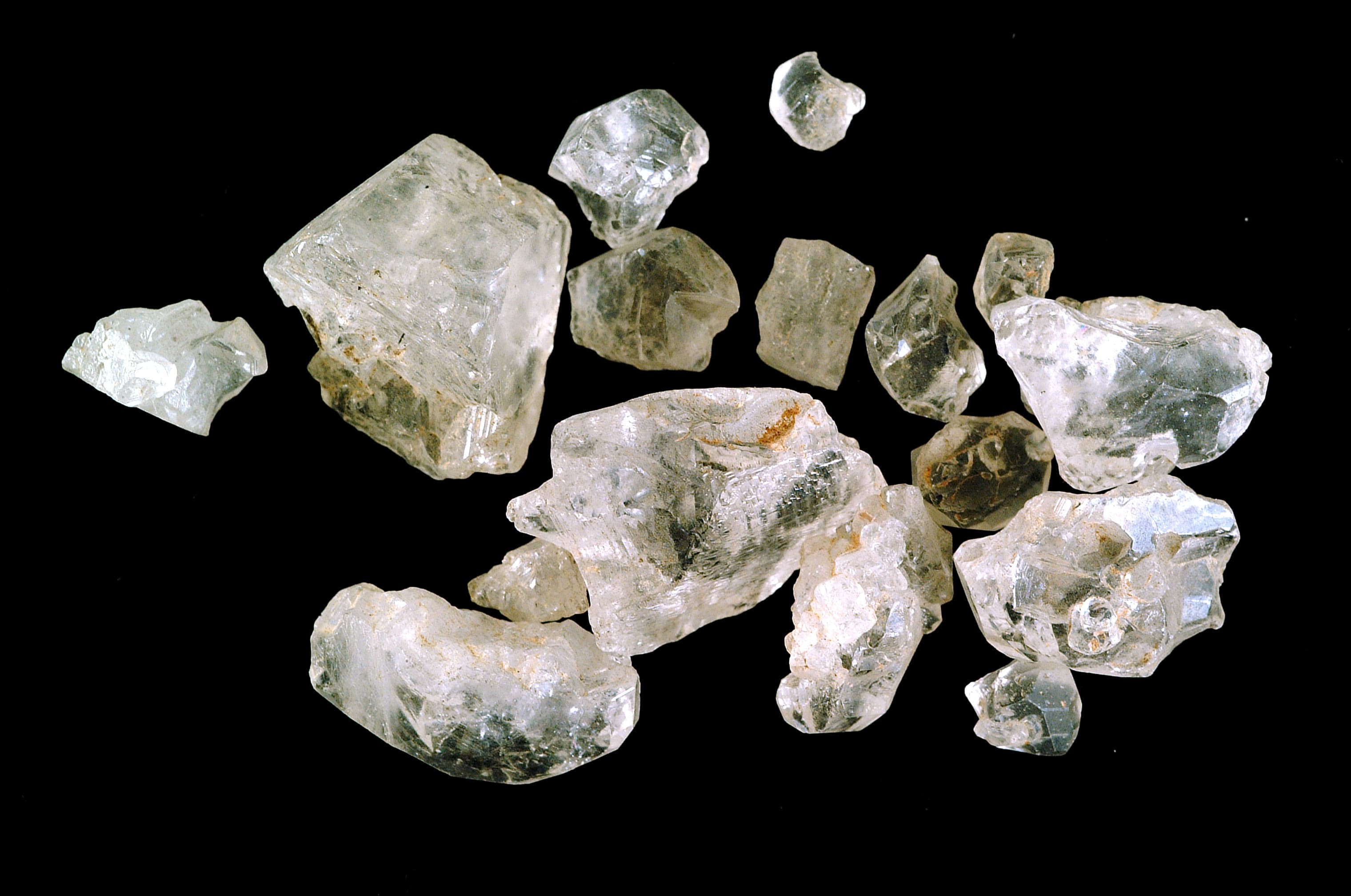
Mineral species
Phenakite, also spelled phenacite, is a beryllium silicate that can look deceptively like colorless quartz. Its own chemistry gives it a separate place in a mineral collection.
Dexter Perkins · CC0 1.0 · Display crop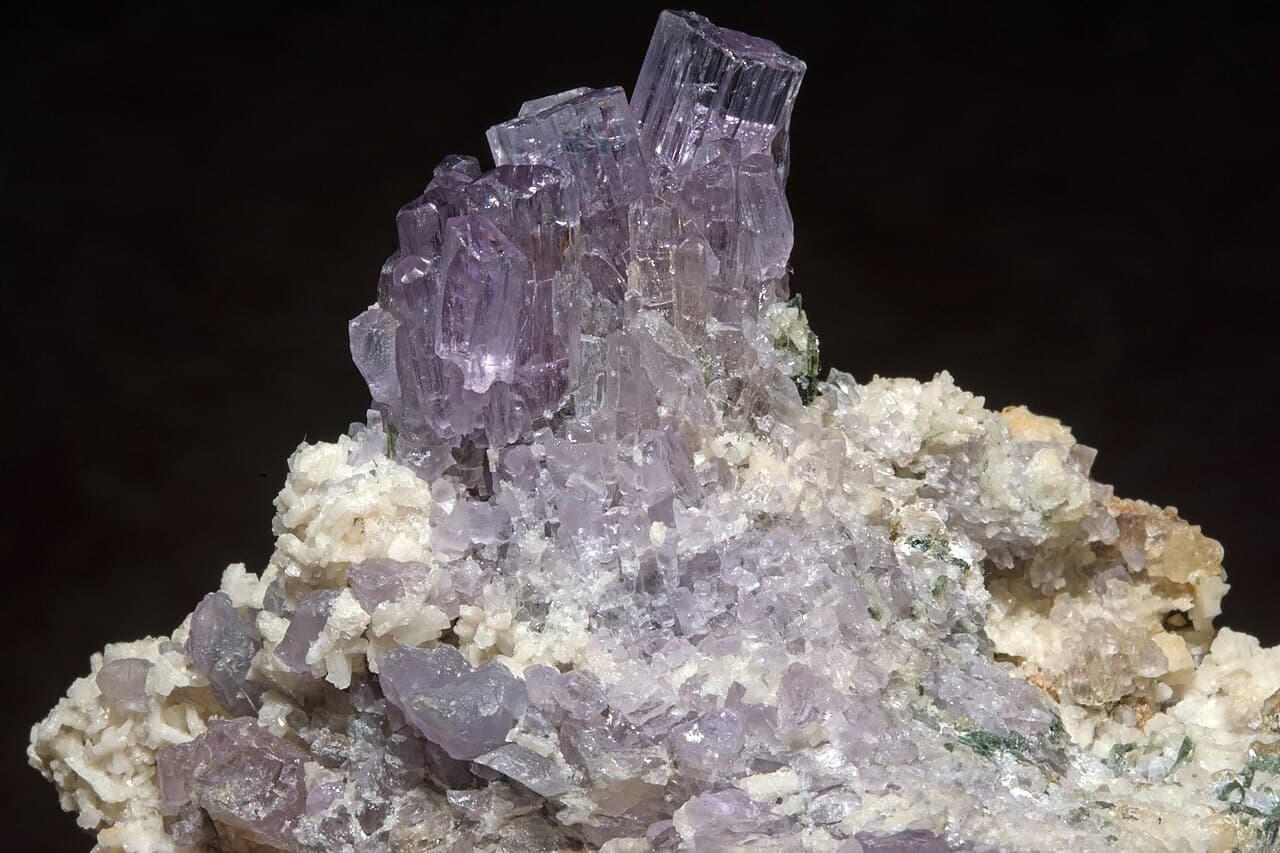
Mineral group / trade name
Scapolite includes related framework silicates, often colorless, yellow or purple. A cut gem can show transparency while a specimen reveals prismatic growth.
Géry PARENT · CC BY-SA 4.0 · Display crop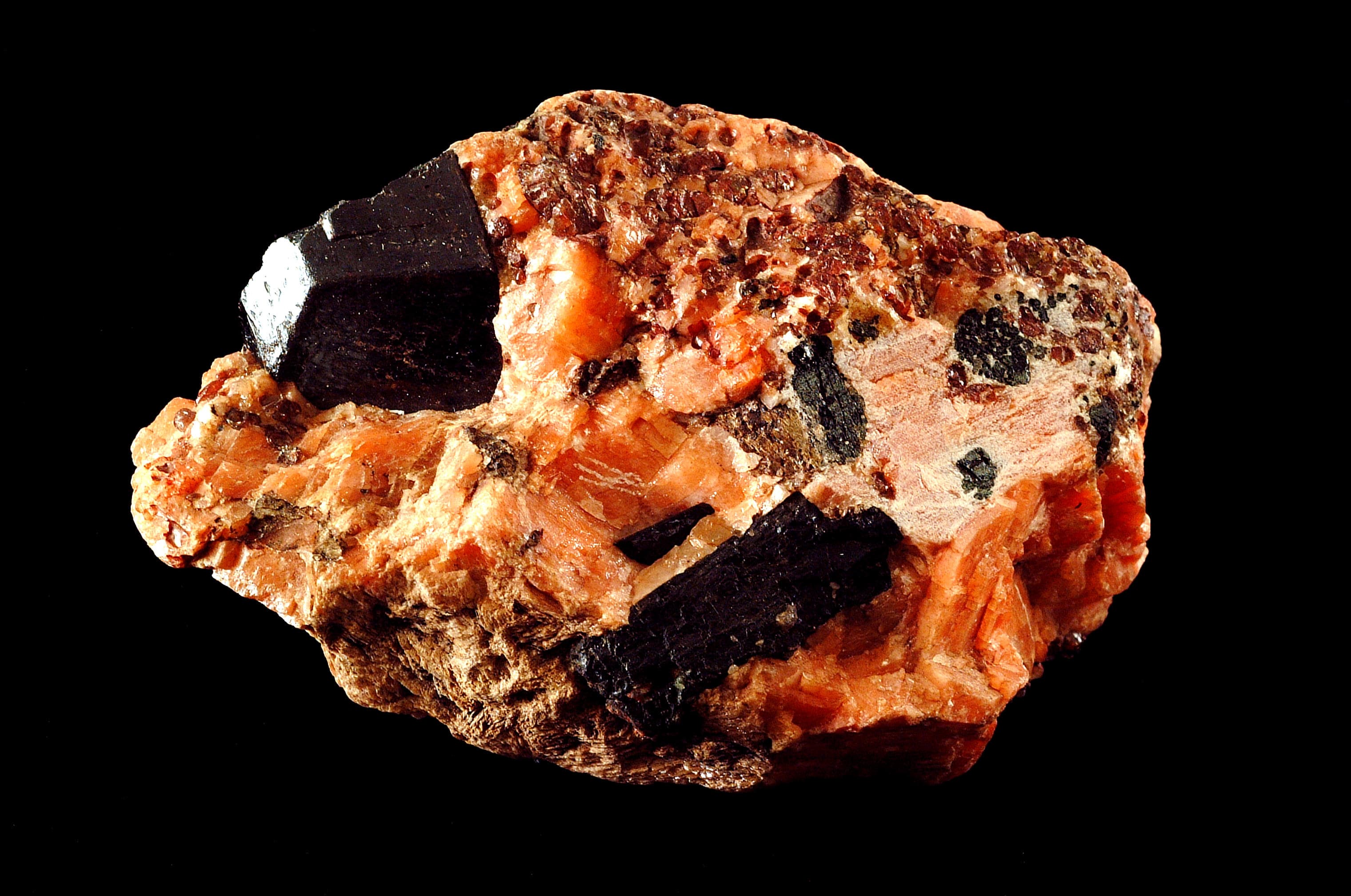
Mineral species
Titanite, also called sphene in the gem trade, can be yellow, green or brown. A well-cut transparent gem may show strong dispersion in suitable light.
Shannon Heinle · CC0 1.0 · Display crop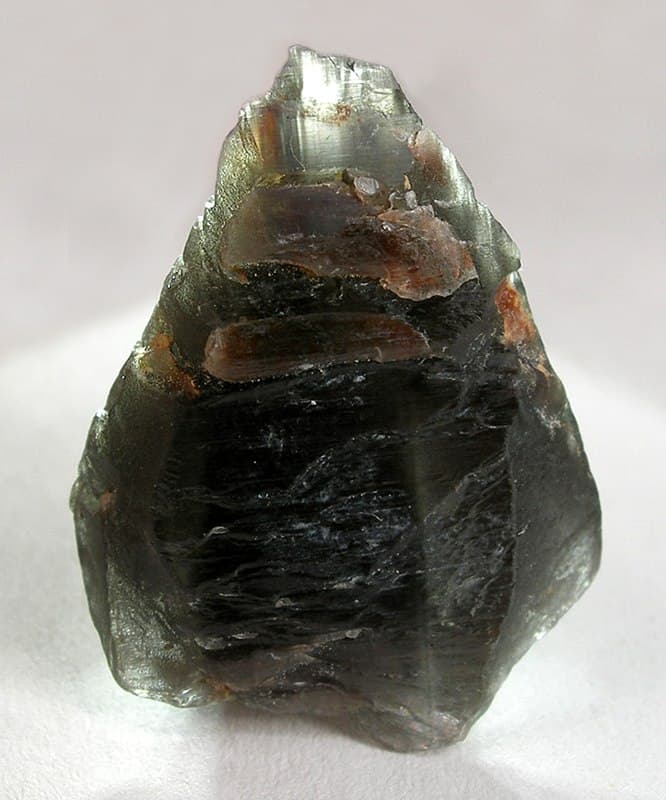
Mineral species
Sillimanite is an aluminum silicate that can form elongated crystals or fibrous aggregates. Some suitable material shows a silky cat’s-eye effect when cut as a cabochon.
Robert M. Lavinsky · CC BY-SA 3.0 · Display crop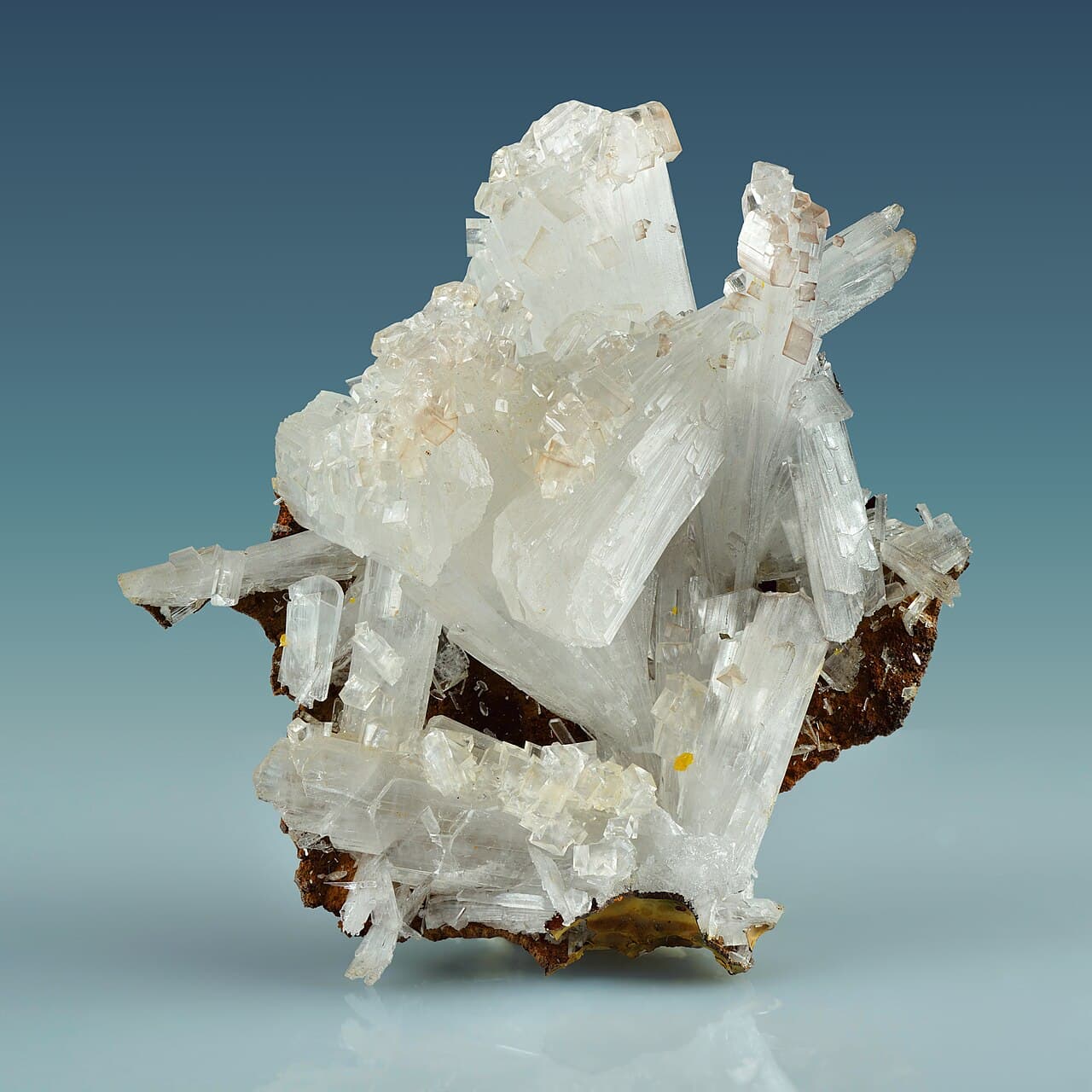
Mineral species
Hemimorphite can form colorless crystals or blue-to-white rounded masses. These very different forms make it a useful lesson in variation within one species.
Ivar Leidus · CC BY-SA 4.0 · Display crop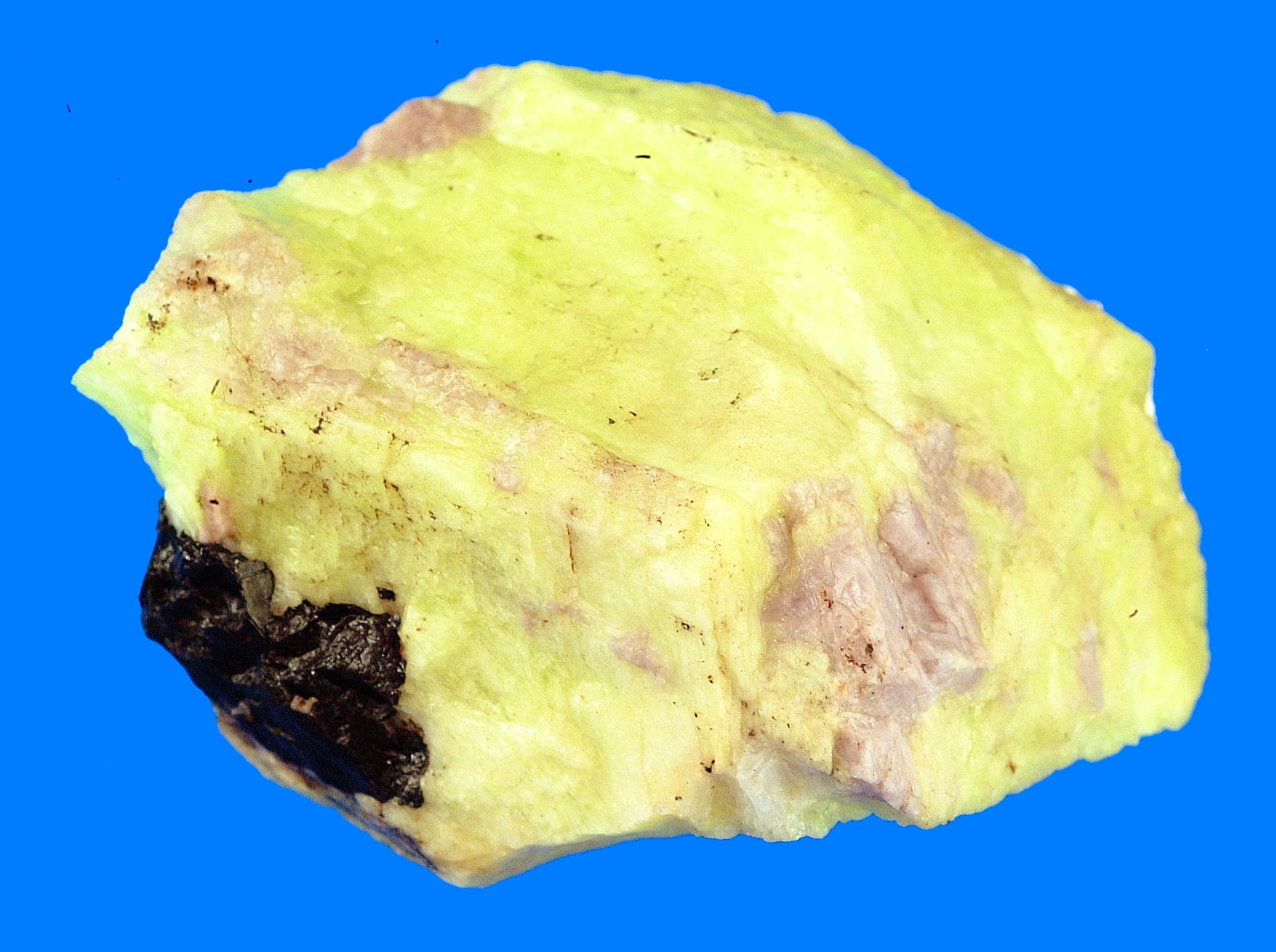
Mineral species
Willemite can be pale green, brown, white or other colors. It is especially known in some collections for fluorescence, but not every object glows in the same way.
Darla Sondrol · CC0 1.0 · Display crop