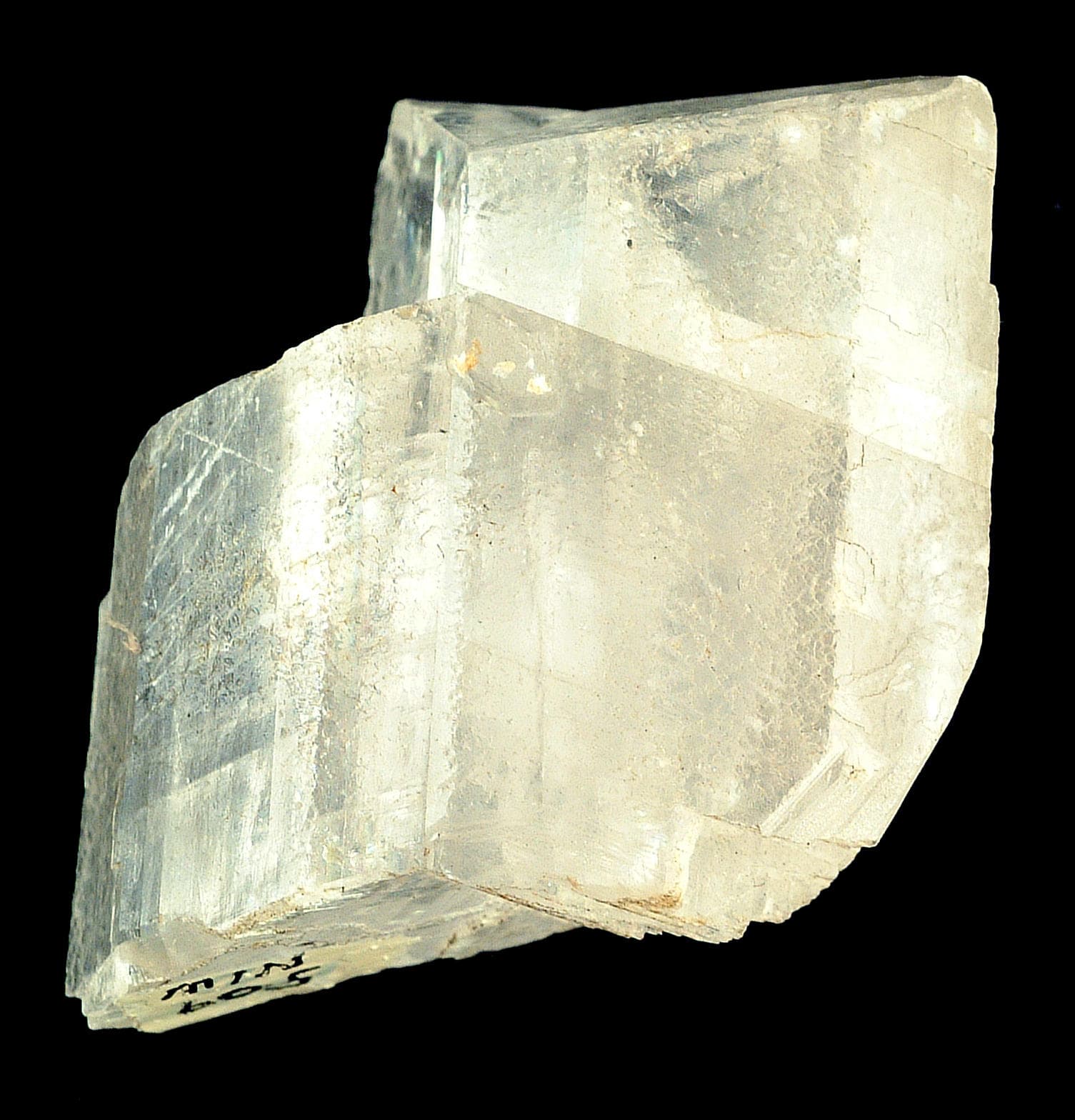
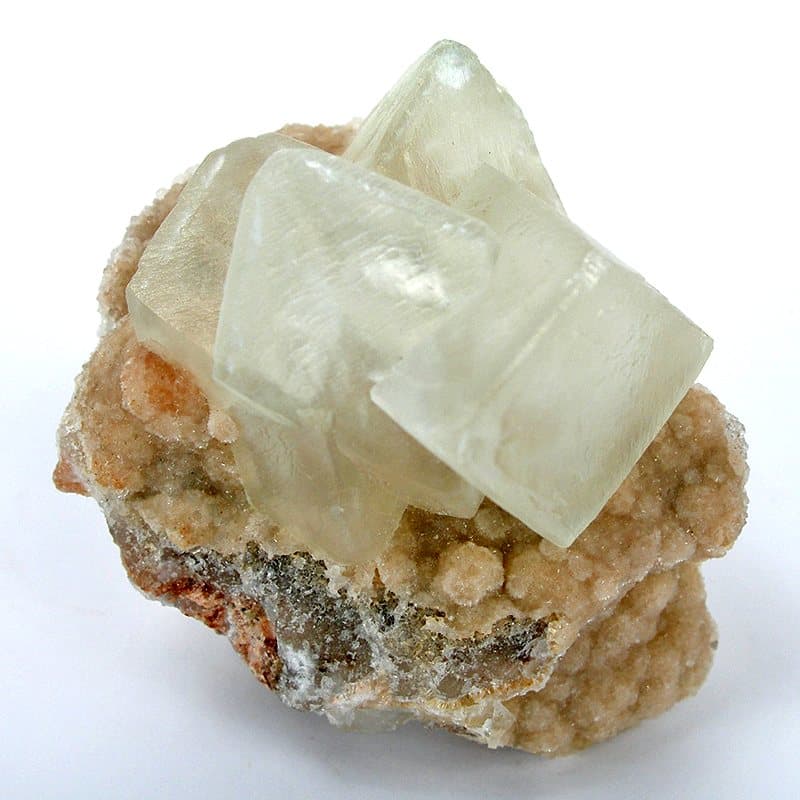
Calcite appears in many colors and crystal habits, from softly colored rough to clear cleavage pieces. It is also a major rock-forming mineral in limestone and marble, giving it a story far beyond a collection shelf.
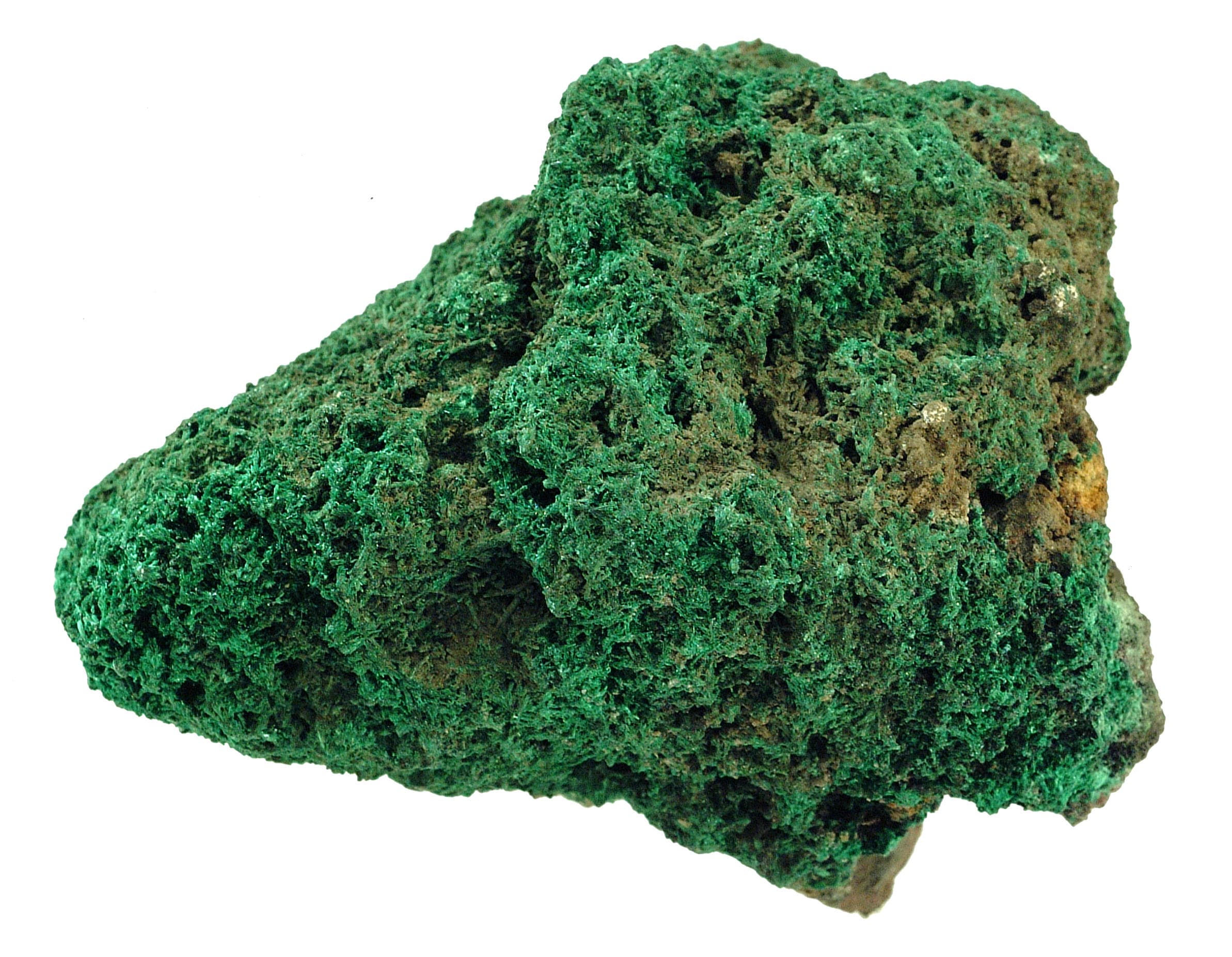
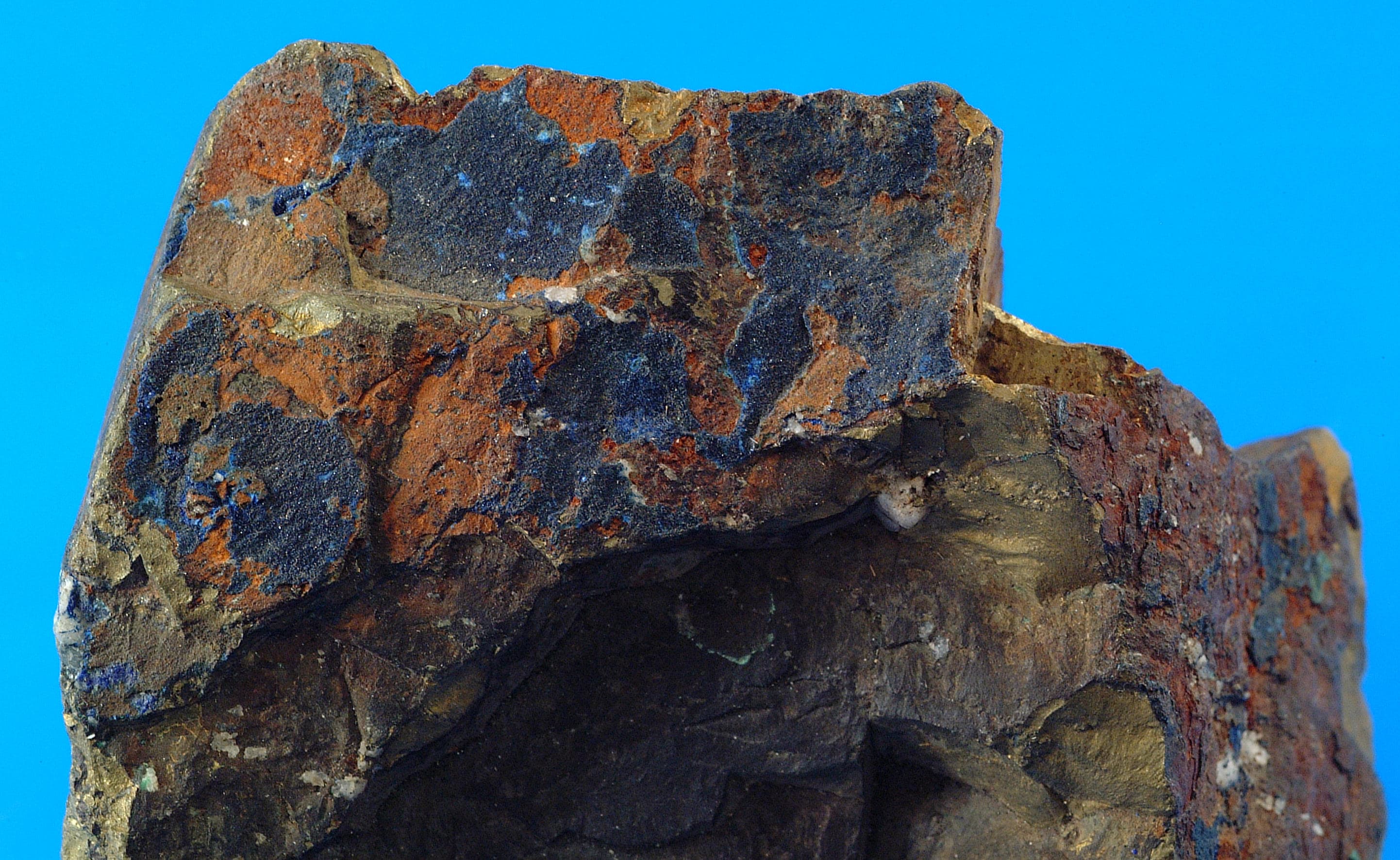
Azurite ranges from small sparkling crystals to blue masses on a host rock. Its deep blue can appear beside green malachite, creating a vivid record of copper minerals together.
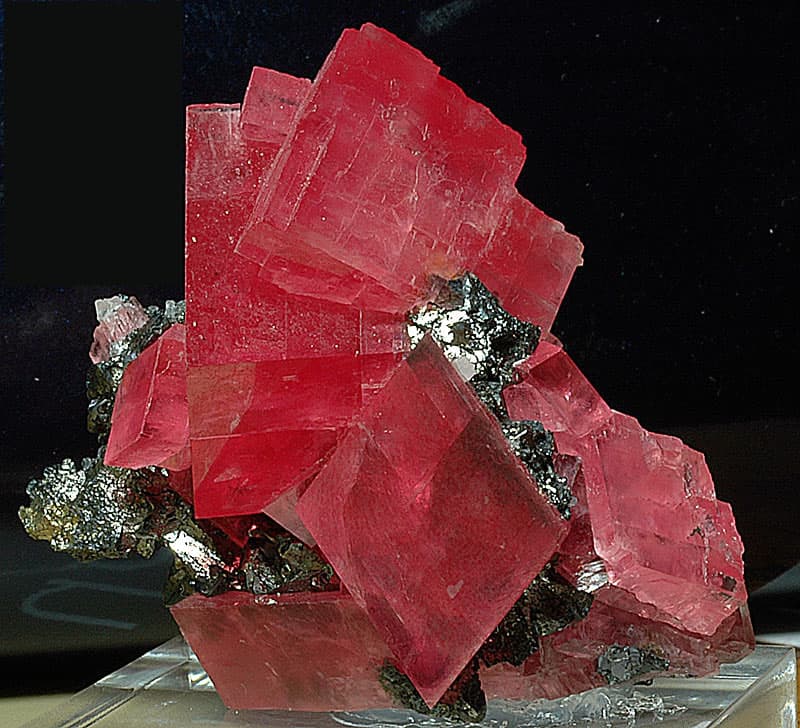
Rhodochrosite can be soft pink and banded, or form striking red-pink crystals. A sliced mass and a collector crystal show different expressions of the same manganese carbonate.
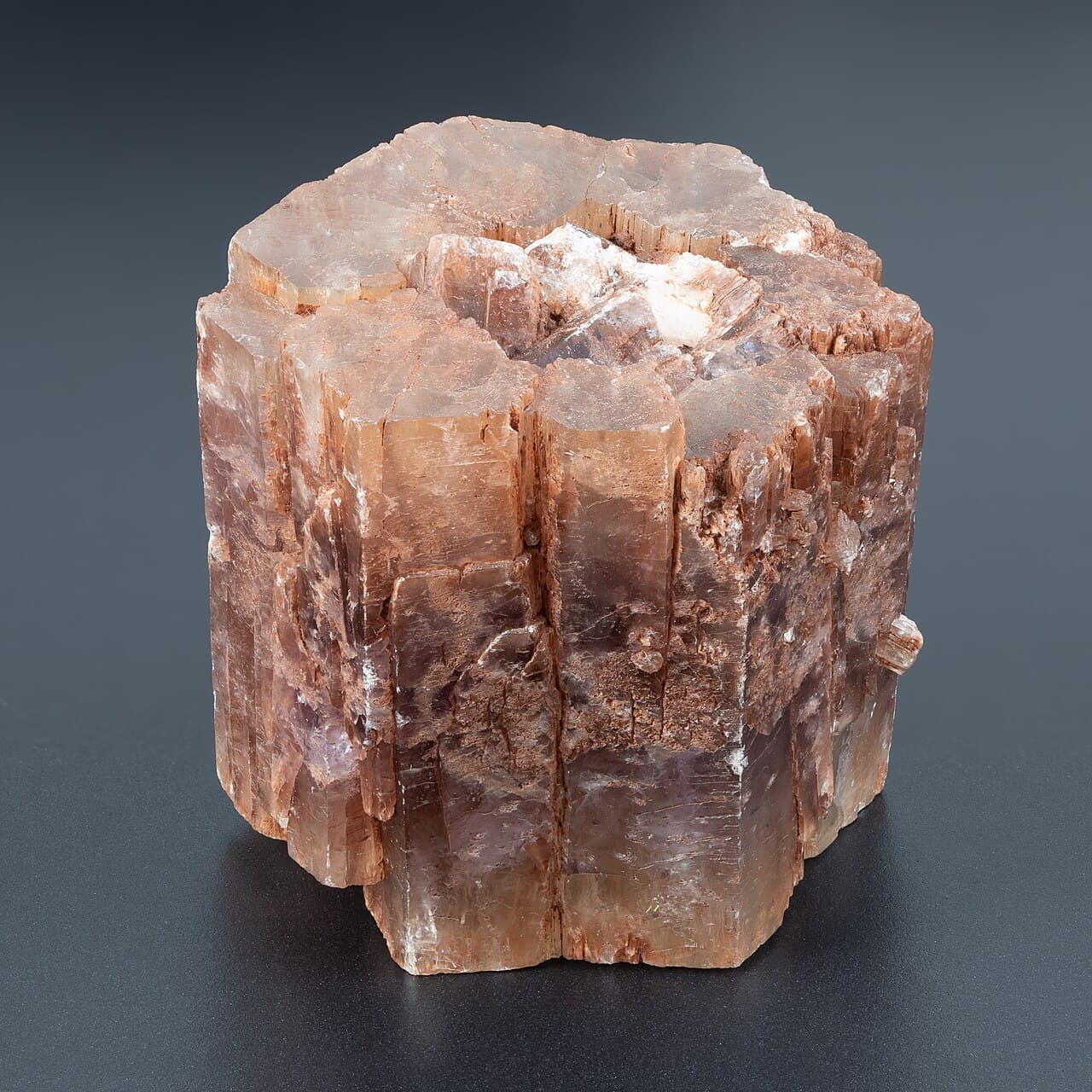
Aragonite shares the chemistry of calcite but has a different crystal structure. It can form branching clusters, elongated crystals or compact material, offering a useful lesson in mineral polymorphism.
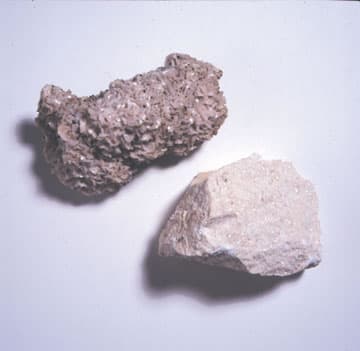
Dolomite commonly forms pale rhombohedral crystals and fine-grained rock material. Some crystals curve into a saddle-like shape, while pink and cream examples bring a softer palette to a collection.
Smithsonite can form rounded, botryoidal surfaces and soft-looking blue, green, pink or other colors. A polished piece can look very different from a natural cluster.